
NEW YORK, Jan 23, 2026, 06:44 EST — Premarket
- Brent climbs 1.2%, while WTI edges up 1.3% following Thursday’s drop
- Trump’s comments on Iran have reignited geopolitical risk concerns, pushing up crude prices
- Traders juggle supply concerns amid climbing U.S. inventories and weak fuel demand
Oil prices pushed higher on Friday after U.S. President Donald Trump again threatened Iran, adding to ongoing supply concerns sparked by a Kazakhstan outage. Brent crude futures climbed 76 cents, or 1.2%, settling at $64.82 a barrel. U.S. West Texas Intermediate (WTI) crude rose 75 cents, or 1.3%, to $60.11.
The swing is crucial since crude has been driven more by headlines than by fundamentals this week. Traders are weighing the odds of supply disruptions even as inventories grow. This “risk premium” reflects the extra cost buyers accept for the chance that barrels could be taken off the market.
Friday’s bounce came after a steep drop the day before. Oil slid roughly 2% on Thursday after Trump eased up on Greenland and hinted he wasn’t aiming for military action against Iran, easing some of the geopolitical pressure on the market.
Trump told reporters the U.S. has an “armada” on its way to Iran but expressed hope it won’t be needed. He renewed warnings to Tehran connected to protests and its nuclear activities. A U.S. official said warships, including an aircraft carrier and guided-missile destroyers, are set to arrive in the Middle East in the coming days.
Supply concerns aren’t just hitting the Gulf. Chevron confirmed that production at Kazakhstan’s massive Tengiz oilfield remains halted following a fire earlier this week, complicating an already fragile market.
Thursday saw oil slide to a one-week low, prompting talk about how swiftly the market erased the latest geopolitical jitters. Ole Hansen, head of commodity strategy at Saxo Bank, noted a “deflation of risk premium related to the Greenland debacle,” adding that concerns over Iran’s supply had eased. Tony Sycamore at IG suggested crude might stabilize near $60 a barrel as tensions cooled. Reuters
Bearish U.S. data weighed on the market. The Energy Information Administration reported a 3.6 million barrel increase in U.S. crude inventories last week—well above analyst forecasts. At the same time, fuel demand indicators weakened, dragging prices down despite rising supply concerns.
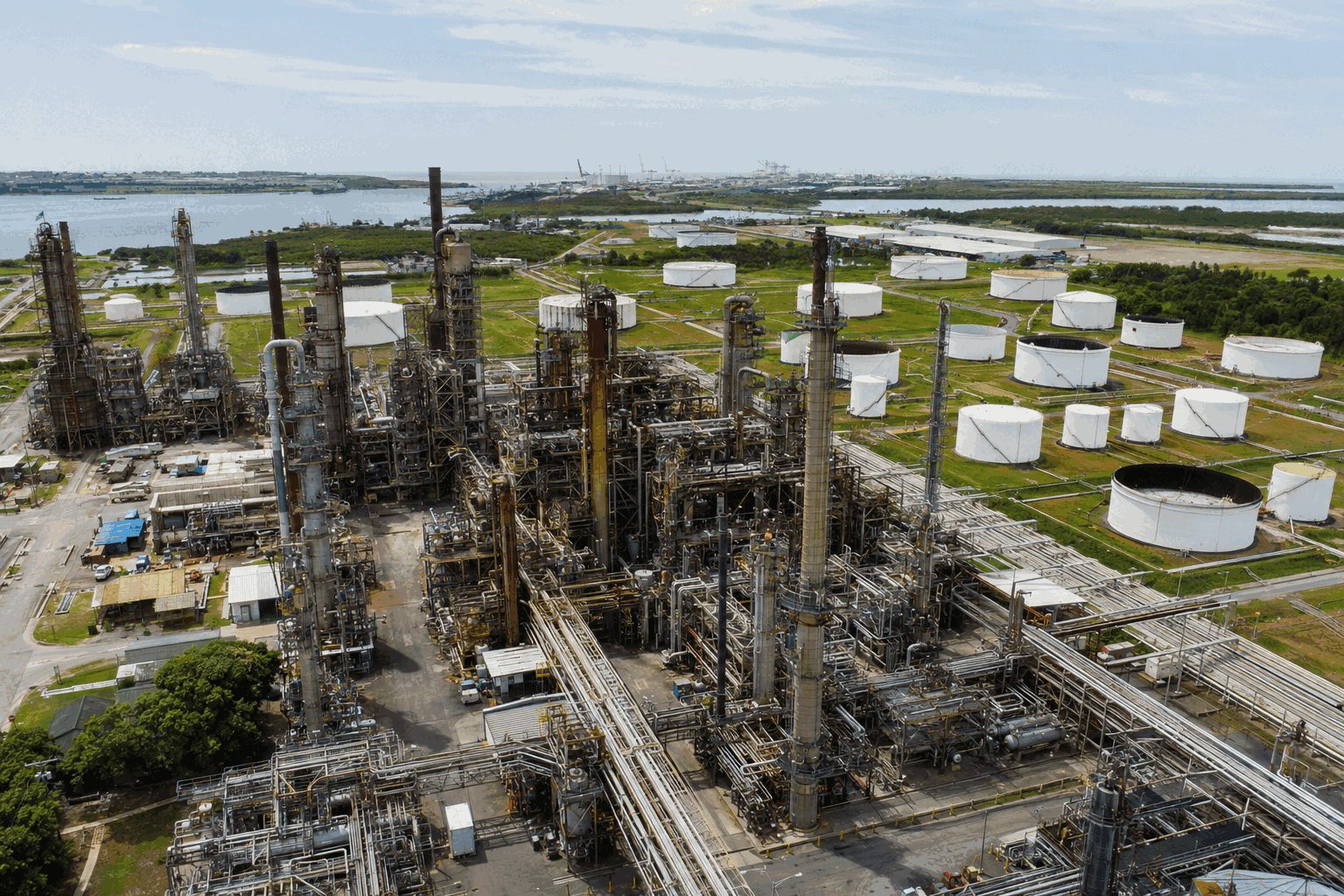
Weather adds another layer of uncertainty as the weekend approaches. U.S. refiners are preparing for an Arctic blast that industry sources warn could cause equipment issues and force some shutdowns. Such disruptions could tighten crude processing and shake up product markets.
The upside case remains fragile. A drop in Middle East tensions, a restart at Tengiz, or another week of significant U.S. stock builds might push prices back down toward recent lows. Traders are also closely monitoring any diplomatic shifts around Russia’s war in Ukraine that could affect the outlook for sanctioned barrels.
Brent and WTI both looked set to end the week higher, as traders focused on headlines and supply updates instead of making major directional moves.
The upcoming key event is the U.S. weekly petroleum status report, set for release on Jan. 28. That will come with updated details on Kazakhstan’s restart schedule and any fresh news regarding Iran.
Related articles: NYSE:CVX