
New York, Jan 23, 2026, 10:16 EST — Regular session
- Nvidia gained following reports that China directed leading tech companies to get ready for H200 AI-chip orders
- AMD climbed on the day, but Broadcom dipped and Intel dropped sharply after issuing a cautious outlook
- Export politics have returned to the forefront, alongside next week’s Fed meeting, catching traders’ attention again
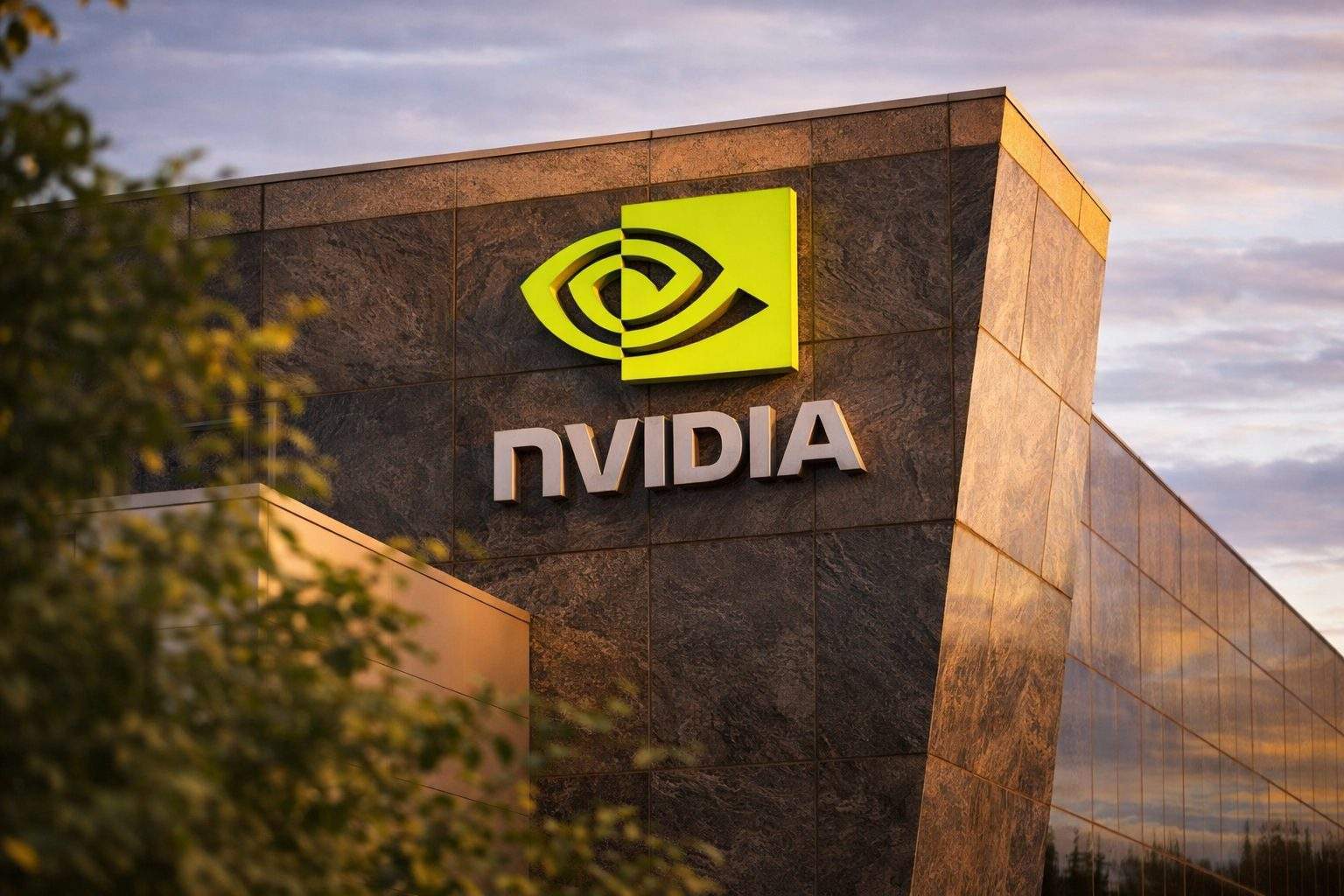
Nvidia shares climbed 1.8% to $188.21 in early trading Friday following a Bloomberg report that Chinese officials have instructed top tech companies to start preparing orders for Nvidia’s H200 AI chips. The H200 is a data-center GPU designed for training and running large AI models.
The report struck a nerve for AI stocks: demand from China has swung chipmakers’ fortunes amid shifting U.S. export controls and Beijing’s push toward domestic substitutes.
In Washington, the House Foreign Affairs Committee moved forward this week with the “AI Overwatch Act.” The bill would give Congress a 30-day review period to block licenses for exporting advanced AI chips. Committee chair Brian Mast framed it as crucial for “the future of military warfare.” Anthropic CEO Dario Amodei cautioned against shipments, calling them “a big mistake.” Reuters
Nvidia’s diplomatic efforts have drawn attention recently. According to a Bloomberg report cited by Reuters, CEO Jensen Huang intends to visit China in late January to try and regain access to a key market for its AI chips. Nvidia declined to comment.
Shares in other AI-related companies showed smaller shifts. AMD climbed 3.7% to $263.18, and Microsoft edged up 1.5% to $457.68. Broadcom, however, dropped 3.0% to $315.63.
Intel took a hit, sliding roughly 14% after a cautious forecast raised fresh concerns that supply bottlenecks might cap its ability to turn data-center demand into actual revenue. TD Cowen analysts noted the recent rally was “largely driven by ‘the dream’ rather than the near-term reality or fundamentals.” Reuters
The combination left chip traders sorting out short-term supply snags from the broader AI-driven expansion. Signs of strength in China could push GPU demand forecasts higher, yet they also increase the risk of fresh U.S. policy pushback.
Another straightforward risk is that the China “prepare orders” phase might not lead to swift deliveries. Any approval could carry conditions that cut into margins or cap volumes. In the U.S., legislative timing is uncertain, and licensing outcomes often hinge on politics rather than actual orders.
Outside of the chip sector, macroeconomic tensions are reemerging in the market. Investors are eyeing the Federal Reserve’s upcoming policy meeting on Jan. 27-28, looking for signs officials might resist loosening financial conditions following the recent surge in risk assets.
AI stocks face their next major test with earnings reports looming. Nvidia is set to release its fourth-quarter fiscal 2026 results on Feb. 25, a key moment that will likely shine a spotlight on data-center demand and any updates regarding shipments to China.
AMD is set to release its fiscal Q4 and full-year 2025 results on Feb. 3, after markets close. Investors will be watching closely for any indication that its AI accelerators are catching up to Nvidia’s offerings.
Related articles: NASDAQ:NVDA