London, January 27, 2026, 08:37 GMT — Regular session
- Unilever shares ticked higher in early London trading as the FTSE 100 climbed.
- Goldman Sachs kept its Neutral rating on the stock but cut the price target.
- With Unilever’s full-year results set for February, investors have started shifting their positions.
Unilever ULVR.L shares edged higher Tuesday, even as Goldman Sachs cut its price target but stuck to a Neutral rating. By 0828 GMT, the stock was up about 0.2%, trading at 4,869 pence. Goldman trimmed its target to 5,135 pence from 5,175.
Investors are bracing for Unilever’s earnings report, due February 12, covering both Q4 and the full year of 2025. Then on February 17, the company will take the stage at the CAGNY consumer conference, a crucial moment when top execs usually lay out their strategic focus for the year ahead.
Context matters here because the group’s setup shifted not long ago. Last December, Unilever executed an 8-for-9 share consolidation after spinning off its ice cream business. Investors need to adjust historical price points accordingly to gauge performance accurately.
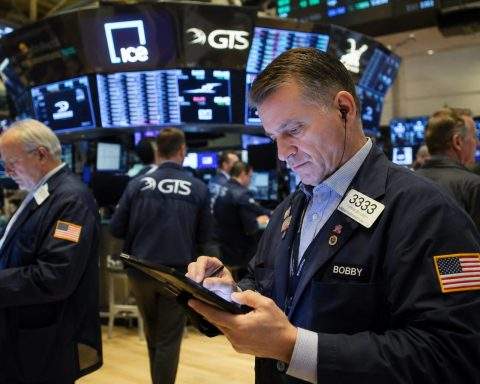
The broader market edged up modestly. The FTSE 100 gained 0.38% in early trading, according to Reuters, boosted in part by heavyweight Unilever catching the eye of index investors.
Unilever’s shares moved within a tight band today, swinging between 4,841.5 pence and 4,897.2 pence after opening at 4,852 pence. The stock had closed at 4,861.5 pence in the last session, per Hargreaves Lansdown data.
The key question for investors is whether Unilever can lift volumes without leaning too much on price increases, and if it can protect margins against pressure from both retailers and consumers. These factors tend to sway the share price more than small target tweaks.
Goldman’s target has climbed roughly 5% above this morning’s trading levels. That leaves little wiggle room if the earnings report disappoints or if the company hints at faltering demand.
Risks cut both ways. A sudden jump in raw material costs, adverse currency moves, or missteps in pricing can swiftly squeeze margins in packaged goods—particularly as consumers gravitate toward lower-cost alternatives.
February 12 marks a key date as Unilever plans to release its full-year results and share updates on the business structure post-demerger, alongside its 2026 outlook. Shortly after, the CAGNY event will give investors a new look at management’s confidence.