Mumbai, Jan 27, 2026, 16:14 IST — After-hours trading.
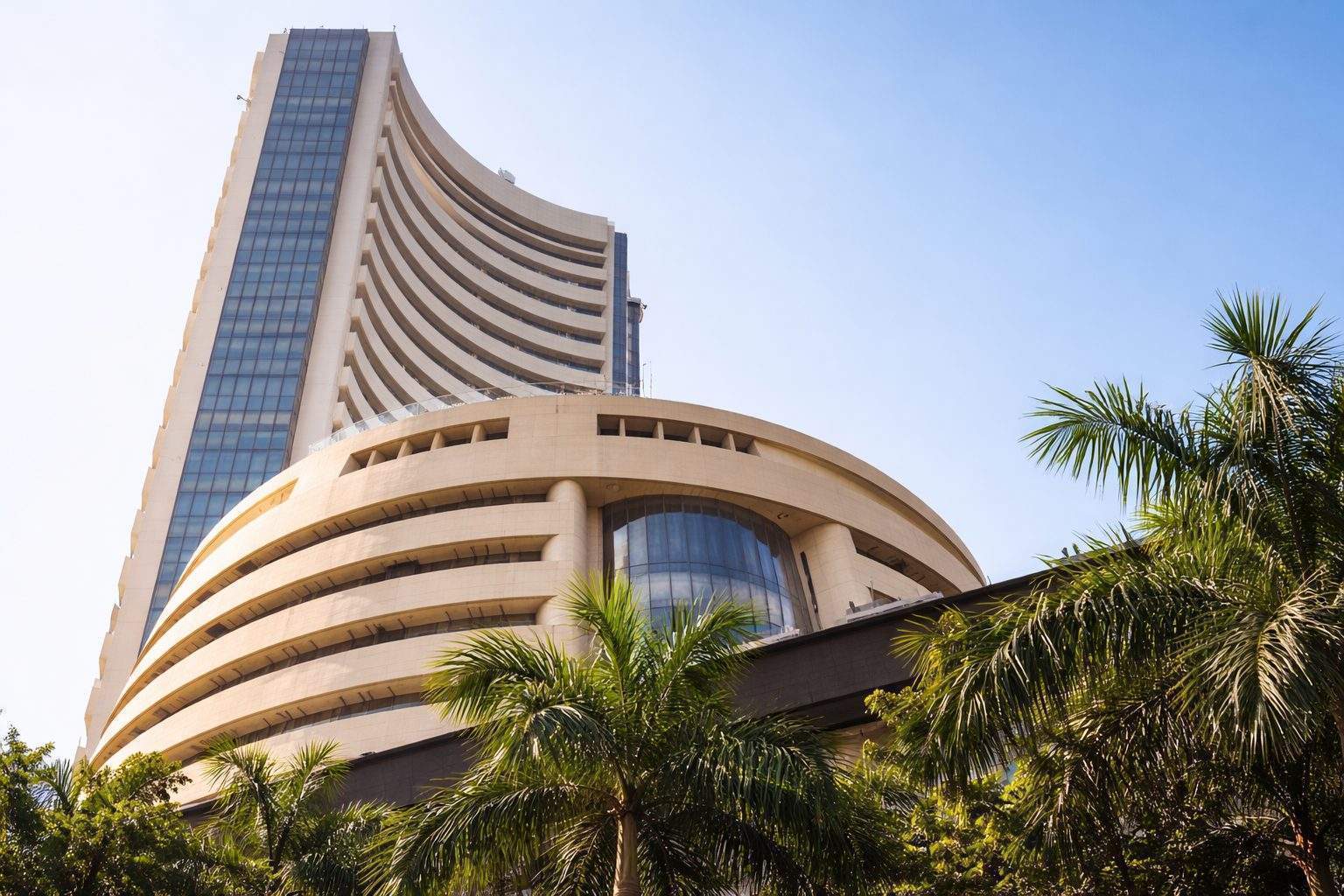
Indian shares wrapped up Tuesday on a positive note after a volatile session, buoyed by hopes for a trade pact between India and the European Union. The Nifty 50 jumped 0.51% to 25,175.4, while the Sensex gained 0.39%, settling at 81,857.48. Out of 16 sectors, 11 finished in the green.
The deal targets steep tariff cuts on most goods to ramp up bilateral trade and ease dependence on the U.S. amid rising global tariff conflicts. It will scrap or lower duties on 96.6% of goods by value, with the EU set to reduce tariffs on 99.5% of Indian imports over seven years, officials said. Legal review is likely to take five to six months. An Indian official added the agreement should be in place within a year.
Nerves remain on edge. India VIX — measuring short-term market volatility — climbed to its highest level in seven months as traders digested U.S. tariff threats alongside the February 1 federal budget. “The deal will potentially diversify India’s trade base,” said Ravi Singh of Master Capital Services, describing it as a confidence booster for the market. Reuters
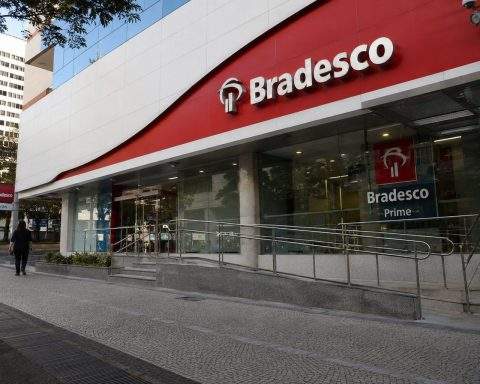
Financials took the lead, with Axis Bank surging nearly 6% to hit an 18-month peak following an unexpected jump in quarterly profits driven by robust loan growth. Citi bumped the stock from “neutral” to “buy,” citing stronger growth prospects and better asset quality. Reuters
Metals showed strength as well. JSW Steel surged up to 4% early on, hitting around ₹1,216, just shy of its 52-week high. The stock gained traction after the company posted quarterly results that largely met expectations, according to Business Standard.
Autos dragged the market lower. Mahindra & Mahindra tumbled as much as 5.1%, touching its lowest level since August 2025. Investors are reacting to announced plans to slash tariffs on EU car imports dramatically over five years. This change could benefit European brands like Volkswagen, Renault, Mercedes-Benz, and BMW. “Any reduction in prices of imported cars will have an impact on domestic carmakers,” said S&P Global Mobility analyst Gaurav Vangaal. Reuters
The rupee ended at 91.72 per dollar, gaining 0.2% from Friday after hitting a record low of 91.9650 in the previous session. Traders reported that foreign investors have offloaded more than $3.5 billion in Indian stocks this month, which has weighed on the currency despite improved sentiment from the trade pact. Dilip Parmar of HDFC Securities sees the rupee trading between 91.20 and 92.10 in the near term, with the upcoming budget set to provide the next key signal.
The budget might prove tricky. Economists say there’s little scope for new consumption stimulus following last year’s tax cuts, which tightened revenues. Some also caution that ongoing trade talks with Washington are already rattling markets. “There isn’t enough room to offer further consumption stimulus,” said Barclays economist Aastha Gudwani. Reuters
On paper, the trade pact offers a boost for equities, but it must translate into actual orders and earnings to matter. A sudden shift in U.S. tariff policy or a fresh wave of foreign selling could quickly dampen that optimism.
Traders are now focused on the Economic Survey set for release on Jan. 29 at 11 a.m., followed by Finance Minister Nirmala Sitharaman’s budget speech on Feb. 1, also at 11 a.m. ITC will report its December-quarter earnings on Thursday, with brokerages tracked by Business Standard anticipating a modest profit increase.