HOUSTON, January 27, 2026, 19:59 CST
- FAT Brands and its affiliate Twin Hospitality have filed for Chapter 11 bankruptcy protection in Texas, but pledged that their restaurants will remain open.
- Filings show tight cash flow and heavy debt loads, missed interest payments, and the naming of restructuring officers.
- Shares of FAT Brands and Twin Hospitality plunged about a third in late trading.
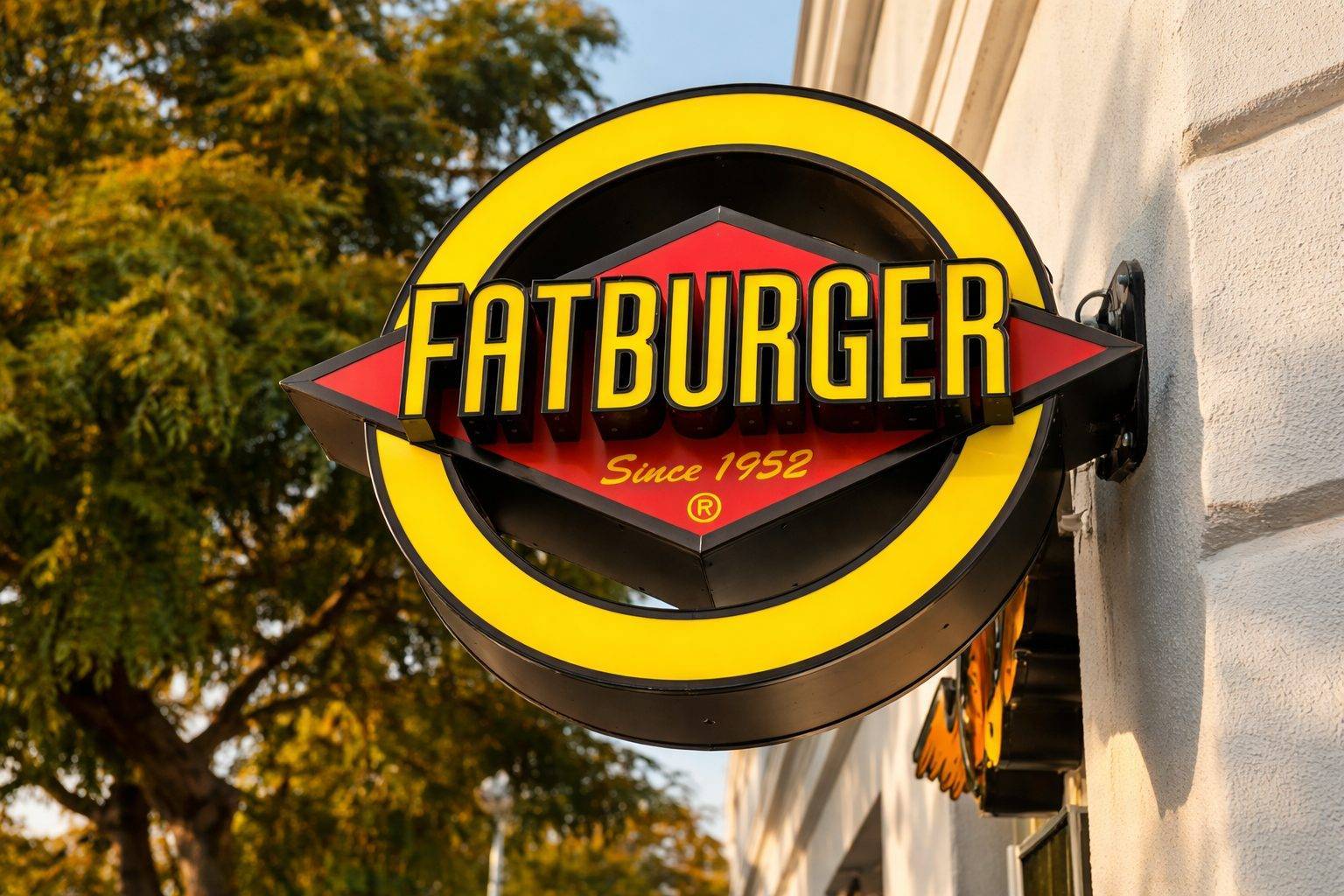
FAT Brands, the parent company of Fatburger and Johnny Rockets, filed for Chapter 11 bankruptcy protection in Houston late Monday. Its affiliate, Twin Hospitality Group—which owns Twin Peaks and Smokey Bones—also made the filing.
Chapter 11 lets U.S. companies reorganize their debt without shutting down. These filings highlight franchise-heavy chains that loaded up on debt but now face pressure from rising costs and falling casual dining sales.
Court filings show FAT Brands entered bankruptcy with $2.1 million in cash but facing about $1.4 billion in debt. On Tuesday, a judge gave the green light for the company to tap some of that cash to pay roughly $400,000 in employee wages. Since 2022, FAT Brands has paid $72 million in interest penalties and amortization, along with roughly $85 million in legal fees dating back to 2021. The documents also reveal that a 2024 Justice Department case accusing former CEO Andrew Wiederhorn of taking $47 million in undisclosed loans was dropped in August 2025. At the same time, the SEC reportedly reached an agreement in principle to settle its civil lawsuit.
The franchiser missed interest payments due in October on part of its roughly $1.2 billion whole-business securitisation debt. Creditors then demanded full repayment—a move the company warned could push it into bankruptcy. This debt setup bundles franchise royalties and other cash flows into bonds, a model used by brands such as Hooters, TGI Friday’s, and Red Lobster. FAT Brands reported assets and liabilities between $1 billion and $10 billion, with Sysco and DoorDash among its largest unsecured creditors.
FAT Brands announced its 18-brand portfolio will keep operating amid court proceedings. Nasdaq trading will continue, but the ticker will gain a “Q” to indicate bankruptcy. CEO Andy Wiederhorn described the Chapter 11 filing as an opportunity to strengthen the company’s capital structure. GlobeNewswire
Twin Hospitality confirmed that Twin Peaks and Smokey Bones will stay open, noting its Nasdaq ticker will likely gain a “Q” suffix during bankruptcy proceedings. “The chapter 11 process will enable us to strengthen our balance sheet and create financial flexibility,” said Wiederhorn. The company runs 114 locations across the U.S. and Mexico, it said. GlobeNewswire
An update to investors showed Twin Hospitality has expanded its board, adding restructuring specialists Patrick Bartels and Neal Goldman. John DiDonato from Huron Consulting was named chief restructuring officer, while Abhimanyu Gupta will serve as his deputy. The statement warned common shareholders could face a total or significant loss, depending on how the case unfolds.
Twin Hospitality’s Form 8-K showed the filing immediately triggered defaults on about $403 million of secured notes and roughly $4 million in equipment financing. The company will seek emergency “first-day” relief at a January 28 hearing to keep running as a debtor-in-possession, letting management stay in control under court supervision.
FAT Brands operates about 150 restaurants directly and oversees more than 1,900 franchised spots. Its franchisees collectively employ some 45,000 workers worldwide. The company owns 18 brands, including Round Table Pizza, Fazoli’s, and Twin Peaks.
FAT Brands shares tumbled nearly 34%, with Twin Hospitality dropping around the same margin in late trading.
Both companies say stores will remain open, but the bankruptcy hinges on quick court approval for routine payments and a debt-cutting plan supported by creditors. Filings and investor warnings flag a big risk: shareholders could end up with nearly nothing if creditors seize control of the restructuring.