
New York, January 29, 2026, 10:19 ET — Regular session
- Palantir shares dropped roughly 5% in early trading, marking another turbulent session for the AI-focused software company
- Software stocks saw a wider retreat after Big Tech earnings sparked fresh doubts about the returns on heavy AI investments
- Investors are eyeing Palantir’s quarterly report due Feb. 2, focusing closely on contract momentum and updated guidance
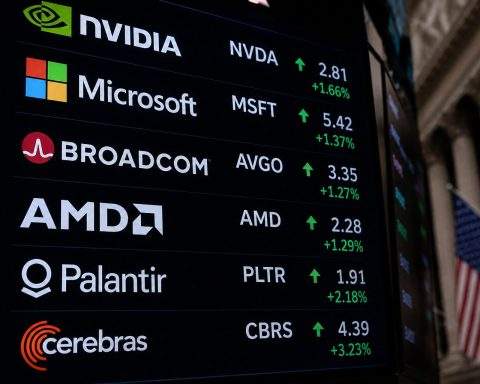
Shares of Palantir Technologies Inc. dropped 5.2% to $149.13 in early trading, hitting an intraday low of $148.76 amid a broader selloff in software stocks. The stock started the day at $157.36, falling $8.22 from its previous close on volume of roughly 16.7 million shares.
Investors are growing impatient with open-ended AI spending that doesn’t deliver growth quickly—a trend now hitting not just mega-caps but also smaller, high-multiple software stocks. “Meta’s headline numbers really highlight how the market feels about AI spending,” said John Belton, portfolio manager at Gabelli Funds. He noted that investors are rewarding clear returns while punishing uncertainty. Reuters
U.S. stocks edged lower, with the Nasdaq slipping roughly 1% in early trading. Investors are parsing Big Tech earnings alongside a wary outlook on software. “It’s going to be a show me the money story for AI,” said Adam Turnquist, chief technical strategist at LPL Financial, as the market debates if the spending spree is actually paying off. Reuters
Palantir faces some doubters. On Tuesday, RBC Capital Markets’ analyst Rishi Jaluria stuck with an “Underperform” rating, setting a $50 price target. He argued the risk-reward looks “skewed to the downside” ahead of earnings. Jaluria pointed to weaker trends in government-tracked contract metrics, like qualified contract value and net annual contract value — rough proxies for deal flow and annual contract run-rate. Barchart.com
Not all the news on Thursday was grim. Innodata announced it had been chosen by Palantir to aid in annotation and multimodal data engineering for rodeo-event analytics, handling video and sensor inputs to develop computer-vision models. “Innodata’s high-quality training data and data engineering expertise can help us to scale these capabilities,” said Dimitrios Lymperopoulos, Palantir’s head of machine learning, in the announcement. Stock Titan
Big names set the tone. Microsoft’s earnings spooked investors after slower cloud growth and a surge in AI infrastructure spending. Capital expenditure — covering things like data centers and chips — shot up noticeably. “One big obvious issue is that revenues are up 17% and the cost of revenues are up 19%,” said Eric Clark, portfolio manager of the LOGO ETF, which includes Microsoft. Reuters
In Europe, sentiment took a hit after SAP’s cloud revenue forecast for 2026 came in below expectations. The German software giant’s shares dropped roughly 15%, pulling down other tech stocks as well. “SAP needed an all-round acceleration to fight the trough sector sentiment,” said Citi analyst Balajee Tirupati. Reuters
Palantir investors have a key date coming up. The company plans to release its fourth-quarter and full-year 2025 results after U.S. markets close on Monday, Feb. 2. A webcast is scheduled for 5:00 p.m. ET, according to prior announcements.
Another risk looms beyond the quarterly results: political and reputational fallout from government contracts. WIRED revealed that U.S. Immigration and Customs Enforcement is employing Palantir’s generative AI to sift through and summarize enforcement tips, referencing a Department of Homeland Security inventory of AI applications. Requests for comment from Palantir, ICE, and DHS went unanswered, the report noted.
The next hurdle for the stock is the Feb. 2 earnings report and what management says about the outlook — especially any clues on contract momentum and if demand can back up the lofty valuation investors have assigned to the AI narrative.
Related articles: NYSE:PLTR