
SYDNEY, Jan 30, 2026, 16:47 (AEDT) — After-hours
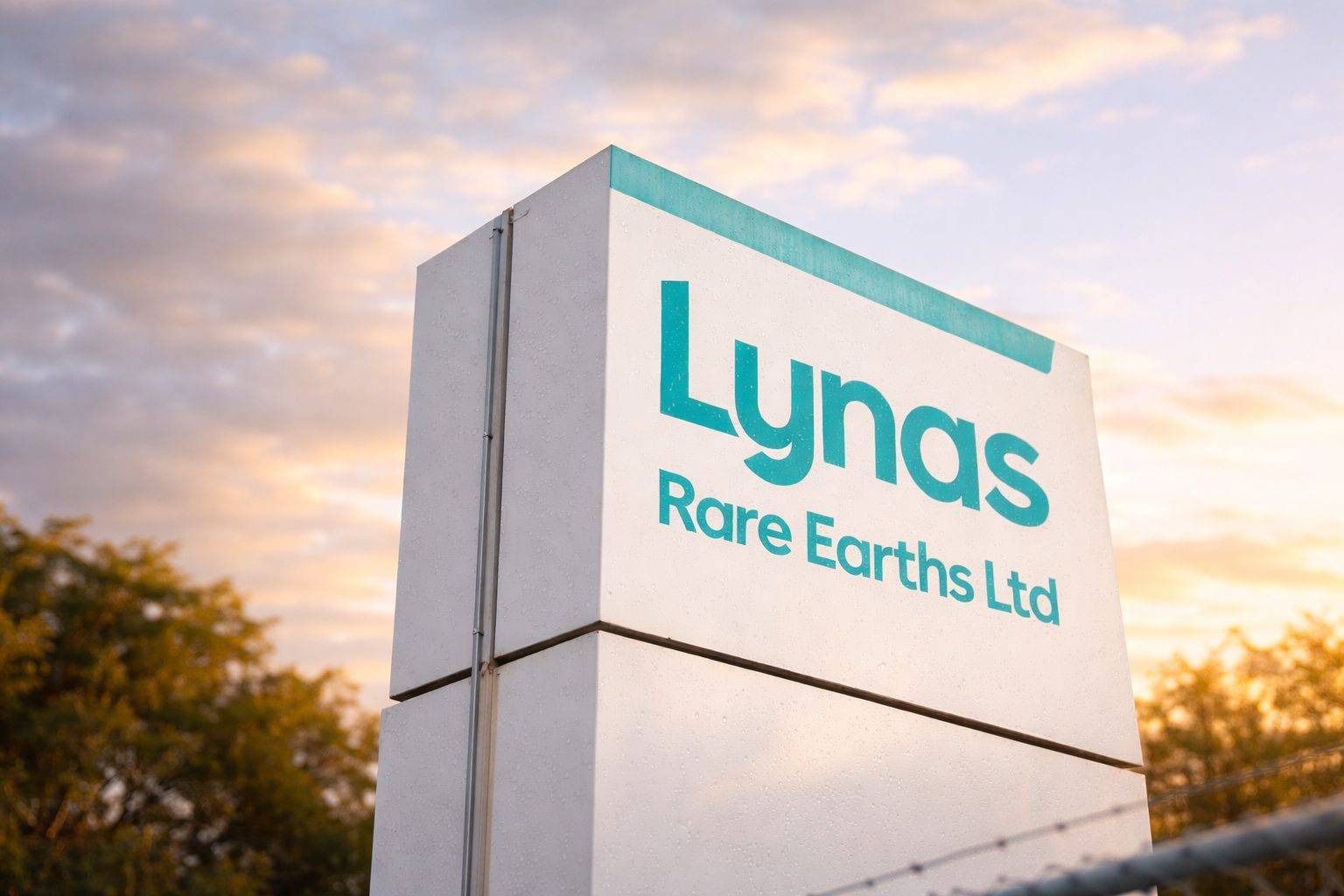
Lynas Rare Earths shares fell 4.5% to close at A$14.90 on Friday, continuing a two-day decline following a steep drop in Australia’s rare-earth sector. The stock hit a high of A$15.94 and dipped as low as A$14.54, with roughly 11.6 million shares traded.
This shift is crucial since rare-earth miners have relied heavily on policy backing — including direct funding, stockpiles, and minimum-price guarantees — while the West pushes to create supply chains beyond China. Without clear support, financing for new mines and processing facilities can quickly falter.
For Lynas, a rare major player outside China, the pressure is immediate. The company stands right where industrial demand meets geopolitics, and its stock has reflected that tension all week.
Selling intensified after reports surfaced that the Trump administration is backing away from plans to guarantee minimum prices—a so-called “price floor”—for U.S. critical minerals projects, according to sources familiar with the talks. At a closed-door meeting earlier this month, U.S. officials reportedly told executives their projects must demonstrate financial viability without government support, with Energy Department official Audrey Robertson quoted saying, “We’re not here to prop you guys up.” The Energy Department later denied the report, calling it false, while a separate U.S. official noted Washington could still invoke Section 232 tariff powers for broader market interventions. Analyst Reg Spencer of Canaccord described the rare-earth share drop as “overdone,” and a Lynas spokesperson emphasized that price protections are crucial for current producers to address “market dysfunction.” Reuters
Canberra stepped in on Friday to ease concerns, assuring it will continue backing critical minerals supply chains despite Washington’s apparent pullback. Resources Minister Madeleine King told Sky News the U.S. shift “won’t stop” Australia’s plan for a strategic reserve. She added that a floor price might be one option through offtake agreements—long-term supply contracts—as the government explores support measures. Australia has proposed a A$1.2 billion strategic minerals reserve, aiming for the stockpile to be ready by the second half of 2026. Reuters
Shares of U.S.-listed rare-earth and critical-minerals companies dropped following the report. MP Materials, despite having a price-floor agreement Reuters noted remains untouched, also declined. The deal is currently under review by a U.S. Senate committee, the report added.
Traders, however, say the bigger issue is what will take the place of price floors—and how fast that happens. Equity stakes, stockpiles, procurement rules, and tariffs can all change incentives, but they don’t always provide the straightforward revenue backstop that lenders prefer.
Timing is another issue. Rare-earth prices react sharply to minor changes in supply and demand, and China remains the dominant force in processing. If Western backing stalls, pricing control could slip back to Beijing—at least in how the market perceives it.
The downside is clear: ongoing policy uncertainty, a drop in rare-earth prices, and Lynas caught reacting to headlines while handling daily operational challenges. The company revealed this month that quarterly revenue jumped 43% thanks to higher realised prices, but production slipped after power outages at its Kalgoorlie plant in Western Australia—a stark reminder that execution still counts just as much as geopolitics.
The broader Australian market slipped as the day wound down, weighing on sentiment for higher-beta miners. The S&P/ASX 200 finished around 0.65% lower, per a market update.
Monday’s session (Feb. 2) is next on the calendar. Investors will be looking for signs from Washington on whether it favors tariffs, procurement, or stockpiles over project-by-project price floors. At the same time, attention will turn to Canberra to see if it sets clearer targets and deadlines for its plan.
Related articles: Stock Market