
New York, Feb 1, 2026, 12:47 (EST) — Market closed.
- OPEC+ decided to hold production steady for March, while Brent crude closed Friday close to $71 a barrel
- Chevron and Exxon ended Friday’s session up, following their quarterly earnings reports as investors digested news of buybacks and dividends
- This week, traders are focusing on U.S. inventory figures and the upcoming wave of oil earnings for cues.
U.S. oil inventories enter Monday under the shadow of geopolitics, following OPEC+’s decision to hold March output steady. Crude prices hover close to six-month peaks amid ongoing friction between Washington and Tehran.
Energy stocks have relied on steady oil prices to balance out a rough 2025, when crude fell and profits shrank. With Brent hovering near $70 a barrel, even small price swings can quickly shift the near-term cash flow picture.
Earnings season is stirring things up. Investors want proof the biggest producers will maintain steady returns to shareholders—dividends and buybacks—even as they hype up output growth and cost reductions.
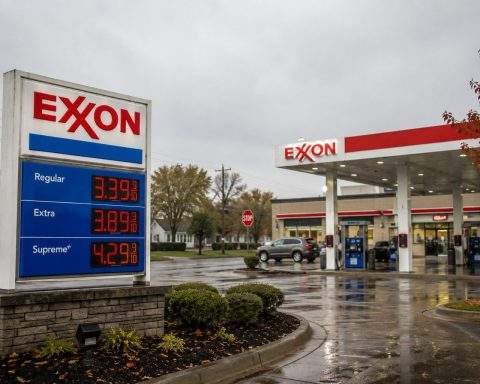
Chevron climbed $5.71, closing at $176.90 in the latest U.S. session. Exxon advanced $1.02 to $141.40. ConocoPhillips added $1.40, ending at $104.23. Occidental remained nearly flat at $45.39. The broad energy ETF from Vanguard, VDE, edged up $1.16 to $143.79.
Crude prices ended Friday slightly down after a solid month of gains. Brent crude closed at $70.69 a barrel, while U.S. West Texas Intermediate settled at $65.21. “It’s really all about Iran right now,” said John Kilduff, partner at Again Capital, as traders grappled with gauging disruption risk amid a stronger dollar weighing on prices. A Reuters poll showed most analysts expect oil to stay around $60 this year, with concerns over oversupply balancing out geopolitical tensions. Reuters
OPEC+ — that’s OPEC plus Russia and its allies — announced Sunday it will hold off on increasing oil production until March. The group didn’t offer any details beyond that. Jorge Leon, head of geopolitical analysis at Rystad Energy, noted the producers are “keeping all options firmly on the table” amid growing uncertainty around Iran. The eight member countries are set to reconvene on March 1. Reuters
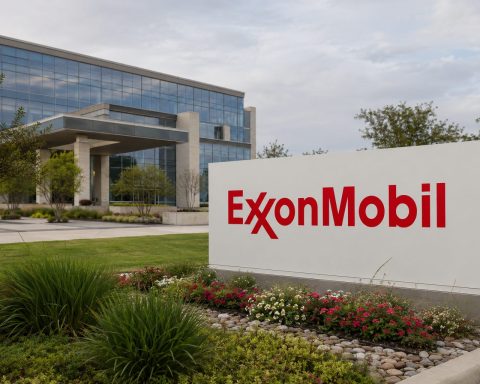
Exxon, the biggest U.S. oil producer, topped Wall Street’s fourth-quarter adjusted profit estimates with $1.71 per share. Stronger output in the Permian and Guyana lifted annual upstream production to a 40-year peak of 4.7 million barrels of oil equivalent per day (boepd), combining oil and gas on a common scale. CEO Darren Woods described the company as “fundamentally stronger” than it was several years back. However, an RBC note highlighted a rare chemicals loss as a sign of a severe downturn in the industry. Reuters
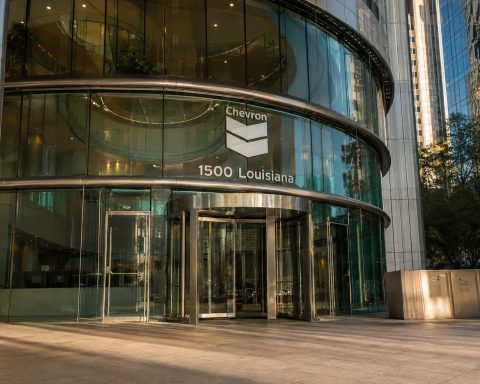
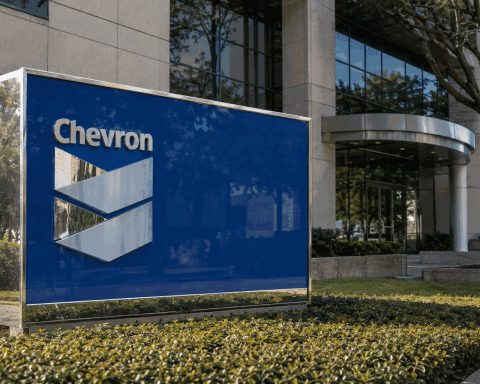
Chevron beat expectations with adjusted earnings of $1.52 per share, citing cost reductions and operational improvements. The company is exploring new ventures in Venezuela, and its CFO indicated that production there could jump by roughly 50% within 18 to 24 months, pending further U.S. approvals. Additionally, Chevron raised its quarterly dividend by 4% to $1.78 per share, set for payment on March 10.
Refiners face a distinct challenge. The United Steelworkers union has pushed back talks with Marathon Petroleum, dodging a strike by 30,000 workers at U.S. refineries and chemical plants—for the moment. Yet, these negotiations remain a significant headline risk for the sector.
ConocoPhillips is set to release its earnings on Feb. 5 before the market opens, a report that may intensify discussions around spending strategies and production targets for 2026.
The trade runs both ways. Should tensions with Iran ease, or if worries about a 2026 supply glut resurface, crude might fall back to levels that many analysts predict, pulling oil stocks down along with it. Meanwhile, labor strikes at refineries would add another layer of complexity—tightening product supply even as crude demand falters.
The next key event is Wednesday, as the U.S. Energy Information Administration plans to release its weekly petroleum status report at 10:30 a.m. Eastern.
Related articles: NYSE:CVX