
NEW YORK, February 3, 2026, 03:53 (EST)
- After tumbling for two sessions and falling from last week’s record highs, gold bounced back sharply Tuesday.
- JPMorgan, Deutsche Bank, and other Wall Street banks are pitching the recent pullback as a chance to buy.
- Higher futures margins combined with a stronger dollar have intensified volatility in metals and other risk assets.
Gold jumped over 5% on Tuesday, marking its biggest daily rally since November 2008 after two days of heavy losses. Spot gold soared 5.8% to $4,935.56 an ounce by 0818 GMT. Silver shot up 10%, while April U.S. gold futures climbed 6.6%. The metal had tumbled to $4,403.24 on Monday, coming off a peak of $5,594.82 just two sessions earlier. Meanwhile, the U.S. government’s partial shutdown delayed this week’s jobs report.
This move is significant since the plunge came swiftly enough to shake gold’s usual “safe haven” reputation. It also revealed just how much of the rally was fueled by leverage — borrowed funds that can trigger forced selling once prices falter.
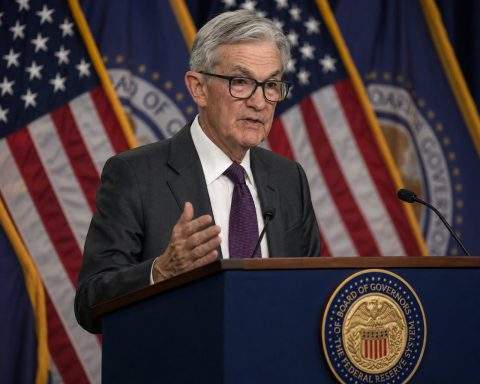
Major U.S. banks remain unfazed. JPMorgan and Deutsche Bank see the recent slump as a buying opportunity after gold futures dipped below $5,000 on Friday, spurred by President Donald Trump’s pick of Kevin Warsh to replace Federal Reserve Chair Jerome Powell. Although futures bounced back briefly on Monday, they still hovered about 0.5% lower at the latest count, CNBC reported.
The selloff picked up speed after CME Group raised margin requirements for precious metals futures, effective after Monday’s close. These margin hikes mean traders have to put up more cash to maintain their positions. By mid-afternoon in New York on Monday, spot gold had dropped 4.8% to $4,630.59, while spot silver fell to $76.81. “Gold and silver are on a rollercoaster ride,” said SP Angel analyst John Meyer. Deutsche Bank’s Michael Hsueh added that “the conditions do not appear primed for a sustained reversal in gold prices.” Reuters
JPMorgan is holding fast to a bullish outlook despite recent sharp losses, projecting gold will hit $6,300 an ounce by year-end. The bank raised its forecast for central bank gold purchases to 800 tons in 2026. Silver, however, looks more uncertain. JPMorgan cautioned that if central banks don’t step in as natural dip buyers, the gold-to-silver ratio—a measure of relative value—could climb again. “We remain firmly bullishly convicted in gold over the medium-term,” the bank said in a note. Reuters
Simply put: margins and leverage are the fuel in this fire. When exchanges hike the required deposit for trading, some investors rush to trim positions and free up cash. That selling can snowball—especially in less liquid markets like silver.
Paul Donovan from UBS Global Wealth Management noted the overnight calming was key, as it helped remove “froth” — the overheated, momentum-driven trades — allowing prices to better reflect actual risk. Richard Hunter, Interactive Investor’s head of markets, said “a sense of calm descended after the precious metal ructions, opening the door for investors to buy on the dip.” The Guardian
The metals sell-off spilled over into broader commodities earlier this week. Oil slid nearly 5%, while copper fell about 3% on Monday as investors dumped positions across the board. Strategists linked the drop to a stronger dollar and a recalibration of expectations following the Warsh appointment. “We see it as a correction and a buying opportunity rather than a fundamental shift,” said Vivek Dhar, commodities strategist at Commonwealth Bank of Australia. Reuters
Crypto faced a rough patch, with Bitcoin tumbling sharply over the weekend. It dropped from north of $83,000 to a low of $74,570, marking its weakest point since April, according to Yahoo Finance.
The rebound isn’t the final word. If the dollar keeps rising and investors start betting that the Fed under Warsh will hold rates higher for longer, gold could lose the momentum that fueled its recent rally. That could trigger a swift return of margin-driven selling. Silver, more volatile by nature, often amplifies these swings on both ends.
Traders are now stuck with fewer clues. The U.S. employment report is delayed due to the shutdown, and with positioning unsettled, the market’s next move will likely hinge on policy cues and the dollar rather than jewellery demand or long-term outlooks.
Related articles: NASDAQ:CME