New York, Feb 3, 2026, 12:07 PM EST — Regular session underway.
- Mastercard shares ticked up 0.4% following Daiwa’s upgrade to Outperform
- Investors are weighing the regulatory push for non-card payment options, beginning with the UK
- Payment stocks stand firm despite a dip in broader U.S. equities
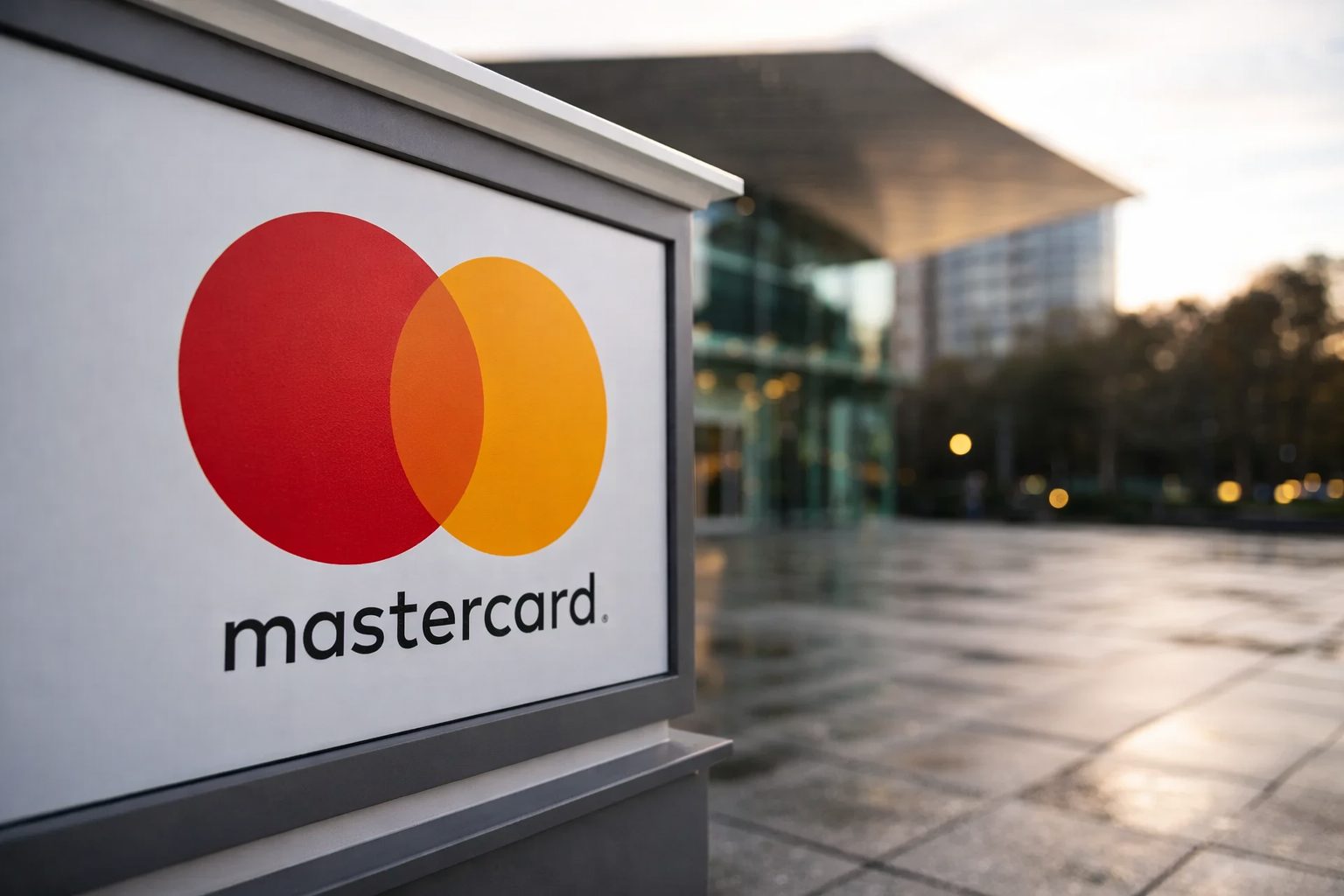
Shares of Mastercard Incorporated nudged up Tuesday following an upgrade from Daiwa, which helped the stock hold steady despite a wider market pullback.
Mastercard edged higher by 0.4%, hitting $557.59 midday. The S&P 500 ETF, SPY, dipped around 0.7%, and the tech-focused QQQ slid about 1.3%.
The call comes amid investor concerns over policy risks tied to payment fees, while there’s also growing attention on moves to simplify payments without cards—a direct threat to the tollbooth-style fees card networks charge.
Daiwa analyst Kazuya Nishimura raised Mastercard to “Outperform” from “Neutral,” boosting his price target to $610 from $605. He described the stock as “inexpensive” at current levels. https://www.tipranks.com/news/the-fly/mast…
Visa edged up 0.3%, while American Express held steady, marking a mixed session for the payments sector.
Mastercard jumped 3.1% Monday, finishing at $555.37. The stock outperformed several financial rivals, with trading volume exceeding recent averages, MarketWatch reports.
The Bank of England announced Monday it will launch a consultation in the coming months to explore new ways for consumers to pay electronically without relying on debit or credit cards. Deputy Governor Sarah Breeden emphasized the BoE’s goal to offer payment options that allow people to pay “directly out of their bank accounts,” supplementing existing card networks. The central bank pointed out that cash accounts for less than 10% of payments in the UK, while debit and credit cards make up nearly two-thirds. Breeden also highlighted that boosting competition could reduce transaction fees for smaller retailers and strengthen defenses against cyber attacks. https://www.reuters.com/sustainability/boa…
For Mastercard, a genuine move toward account-to-account payments—transferring funds directly between bank accounts instead of through card networks—would squeeze fee growth and pricing power, even if cards continue as the default for several years.
Traders await details on the UK consultation slated for spring, eyeing whether it triggers similar actions across Europe that cast card dependence as a competition or security issue.