
NEW YORK, Feb 4, 2026, 17:02 EST — After-hours trading
- The Dow closed higher, but the S&P 500 and Nasdaq slipped once more as selling pressure hit AI-related tech stocks.
- Oil surged amid Middle East tensions, boosting energy stocks and other value-driven sectors.
- With the calendar turning to next week, traders are focusing on the postponed U.S. jobs and inflation reports.
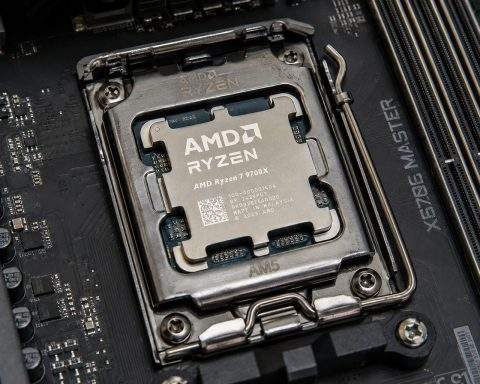
The Dow Jones Industrial Average climbed 260.31 points, or 0.53%, closing at 49,501.30 on Wednesday. This rise came as the S&P 500 and Nasdaq slipped, with investors shying away from expensive tech stocks and favoring safer sectors. The S&P 500 dropped 35.09 points, or 0.51%, to 6,882.72, while the Nasdaq slid 350.61 points, or 1.51%, to 22,904.58 after Advanced Micro Devices tumbled 17% following a disappointing revenue forecast. “The market is suddenly skeptical and concerned,” said Jed Ellerbroek, portfolio manager at Argent Capital. Meanwhile, Josh Chastant of GuideStone Funds cautioned that “legacy software” might become “a ripe target for AI.” Reuters
The mood shift is now the headline: investors remain uncertain on how to price a rapidly evolving AI buildout that lacks clarity. “A week ago the markets had a clear vision… since then, so much of that has been called into question,” said Robert Phipps, director at Per Stirling Capital Management. According to him, traders have been pulling funds from growth stocks, funneling them into cheaper “value” shares — the kind not driven by lofty promises. Reuters
The rotation is significant for the Dow since it isn’t as heavily weighted by mega-cap tech firms like the Nasdaq. It tends to hold steadier when investors begin scrutinizing valuations. Plus, just a few major players moving together can swing the index sharply.
Energy held up as a solid support. Oil closed roughly 3% higher following news that U.S.-Iran talks scheduled for Friday may fall through, injecting fresh geopolitical tension into the crude market. “This risk premium is still in the market,” noted Ajay Parmar, director of energy and refining at ICIS. Reuters
Data delivered a mixed picture on the economy today. The ISM’s services PMI, a survey-based activity indicator, stayed steady at 53.8 in January. Meanwhile, its prices-paid index climbed to 66.6, signaling rising input costs. ADP’s January report revealed private payrolls grew by just 22,000—well below economists’ forecasts. Heather Long of Navy Federal Credit Union noted, “American companies are reluctant to hire right now.” Reuters
The U.S. jobs calendar is shifting. The Labor Department announced the January employment report will drop next Wednesday. January’s CPI report follows on Friday, and December’s job openings data (JOLTS) is now scheduled for Thursday.
Tuesday’s losses set the tone that’s still influencing the market. The Dow dropped 0.34% on Feb. 3, while the S&P 500 slipped 0.84%. The Nasdaq took the biggest hit, falling 1.43% as investors sold off software and other growth stocks yet again. “Many areas, especially around AI, are priced for perfection,” said John Campbell, senior portfolio manager at Allspring Global Investments. Reuters
Alphabet took center stage after Wednesday’s close, putting the AI-driven rally to the test. The Google parent projected capital expenditures for 2026 to hit between $175 billion and $185 billion. Shares swung in after-hours as investors balanced the hefty spending increase against robust quarterly earnings. “Google Cloud growth was far ahead of expectations,” noted D.A. Davidson analyst Gil Luria. Reuters
The risk is that the market’s growing skepticism sparks a wider sell-off if more big tech firms ramp up heavy spending without obvious short-term returns. A prolonged rise in oil prices could stoke inflation fears just as crucial government data gets delayed, adding to the uncertainty.
Investors are set to focus on Thursday’s rescheduled JOLTS report, followed by the delayed January jobs data coming Feb. 11 and January’s CPI on Feb. 13. Attention also turns to Friday’s U.S.-Iran talks, a headline risk that could quickly shake energy markets and, in turn, the Dow.
Related articles: NASDAQ:AMD