
New York, February 5, 2026, 09:00 EST — Premarket
Micron Technology shares fell 2.6% to $369.50 in premarket trading Thursday, after plunging 9.6% on Wednesday. The stock closed at $379.40 following an intraday low of $363.90, according to market data.
The worldwide memory shortage is starting to pinch segments of the smartphone supply chain, driving up component costs. Qualcomm CEO Cristiano Amon acknowledged the pressure, saying “the whole sector is impacted by memory.” Arm’s CFO Jason Child also flagged potential downside, warning the shortage could trim Arm’s royalties by up to 2% in the coming year. Reuters
Micron is under pressure amid wider tech sector shifts, with investors debating if massive AI spending will pay off soon enough to support today’s valuations. “Unforgiving scrutiny over AI capex continues to spook investors,” said Thomas Monteiro, senior analyst at Investing.com. U.S. stock index futures stayed muted ahead of Amazon’s earnings report due after the close. Reuters
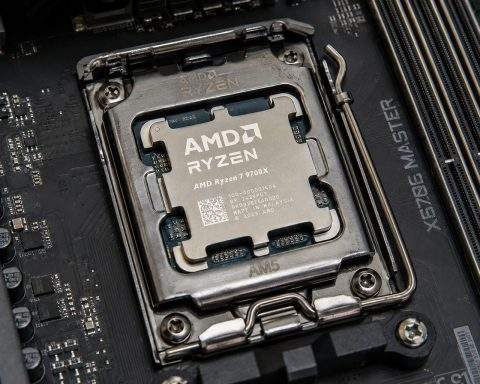
Tech fears extended beyond software to chip stocks in recent sessions. Reuters columnist Mike Dolan pointed out that chipmakers and mega-caps were dragged down in Wednesday’s widespread selloff, with Advanced Micro Devices plunging 17%, marking one of the day’s steepest drops.
Micron investors took note of a recent insider move. On Feb. 2, Sumit Sadana, Executive Vice President and Chief Business Officer, sold 25,000 shares, according to a Form 4 filing tracking insider transactions. The shares went for about $429 to $432 each, bringing in nearly $10.7 million. After the sale, Sadana still held 248,021 shares, the filing showed.
Micron manufactures dynamic random-access memory (DRAM) as well as NAND and NOR flash memory, fueling everything from data centers to smartphones. These products are sold under the Micron and Crucial brands. Reuters data lists the company’s business units as compute and networking, mobile, embedded, and storage.
Micron is navigating a tough spot with constrained supply. Higher prices lift near-term revenue, but ongoing shortages threaten to delay customers’ finished device shipments and might curb demand if those costs get passed on.
Memory shifts in cycles—and quickly. If supply ramps up sooner than expected, or buyers push back on higher prices for handsets and PCs, pricing power could vanish overnight, putting margins under serious pressure.
Investors are seeking clues about how long the shortage will last and whether it will stay confined to premium segments or start impacting consumer electronics sales more broadly.
Micron is set to hold its next big event at Wolfe Research’s Auto, Auto Tech and Semiconductor Conference on Feb. 11. Investors will be focused on any shifts in management’s take on supply, pricing, and demand.
Related articles: NASDAQ:MU