
New York, Feb 5, 2026, 17:17 EST — Trading after hours.
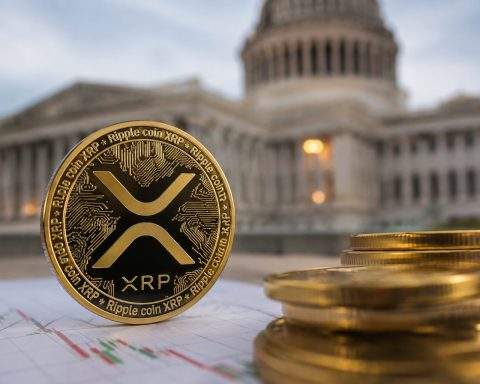
XRP dropped roughly 23% in the last 24 hours, hitting a low near $1.15 before settling around $1.16. Earlier, it reached a high of $1.54, with trading volume clocking in at about $10.3 billion during that period, according to CoinMarketCap.
The slide highlights how fast leverage can evaporate in crypto—and just how thin the buffer is among the second-tier big tokens. XRP has long acted as a gauge of risk appetite, and this week that gauge has swung sharply.
The chill isn’t limited to crypto. Global stocks dropped as investors piled into U.S. Treasuries following weak labor-market data. Meanwhile, concern over the rising costs linked to the AI boom weighed on tech shares, Reuters reported. “Investors today are starting to turn more defensive,” said Ameriprise chief market strategist Anthony Saglimbene. Reuters
Bitcoin plunged 12.6% to $63,525 after dipping as low as $63,295, marking its steepest daily drop since November 2022. Ether also tumbled over 13% to about $1,854, according to Reuters. Data from CoinGlass revealed nearly $1 billion in bitcoin positions were liquidated within 24 hours. Deutsche Bank highlighted outflows exceeding $3 billion from U.S. spot bitcoin ETFs in January. “The crypto market is now in full capitulation mode,” said Nic Puckrin of The Coin Bureau. Julius Baer’s Manuel Villegas Franceschi added that investors “fear a hawk” in Kevin Warsh, President Donald Trump’s pick to lead the Federal Reserve. Reuters
Liquidations occur when leveraged crypto derivative positions are forcibly closed, usually because losses exceed margin requirements. This process can accelerate a downturn by converting potential dips into a chain reaction of sell orders.
XRP, tied to Ripple’s payments network, can tumble harder than bitcoin on down days since it ranks lower for institutional flows. Now hovering near $1.15, traders are hunting for any uptick in buying, which so far has been sparse.
For now, the risks lean in one direction. A clear drop below the $1.15 low might trigger stop-loss orders, but any rebound could face headwinds if outflows continue and rate forecasts keep the dollar strong.
Traders are keeping an eye on spillovers hitting crypto-exposed companies and lenders. A sharper price drop could squeeze collateral, triggering forced asset sales. These feedback loops have stretched corrections into prolonged resets in the past.
Washington is set to deliver the next big macro trigger. The U.S. Bureau of Labor Statistics announced the January jobs report will drop on Feb. 11, followed by the January consumer price index (CPI) on Feb. 13—a crucial inflation gauge. Both releases were pushed back due to a short government shutdown.
Related articles: XRP