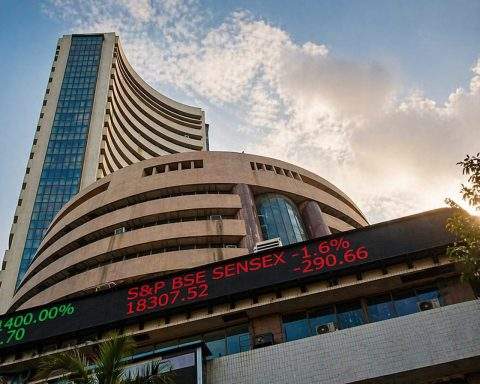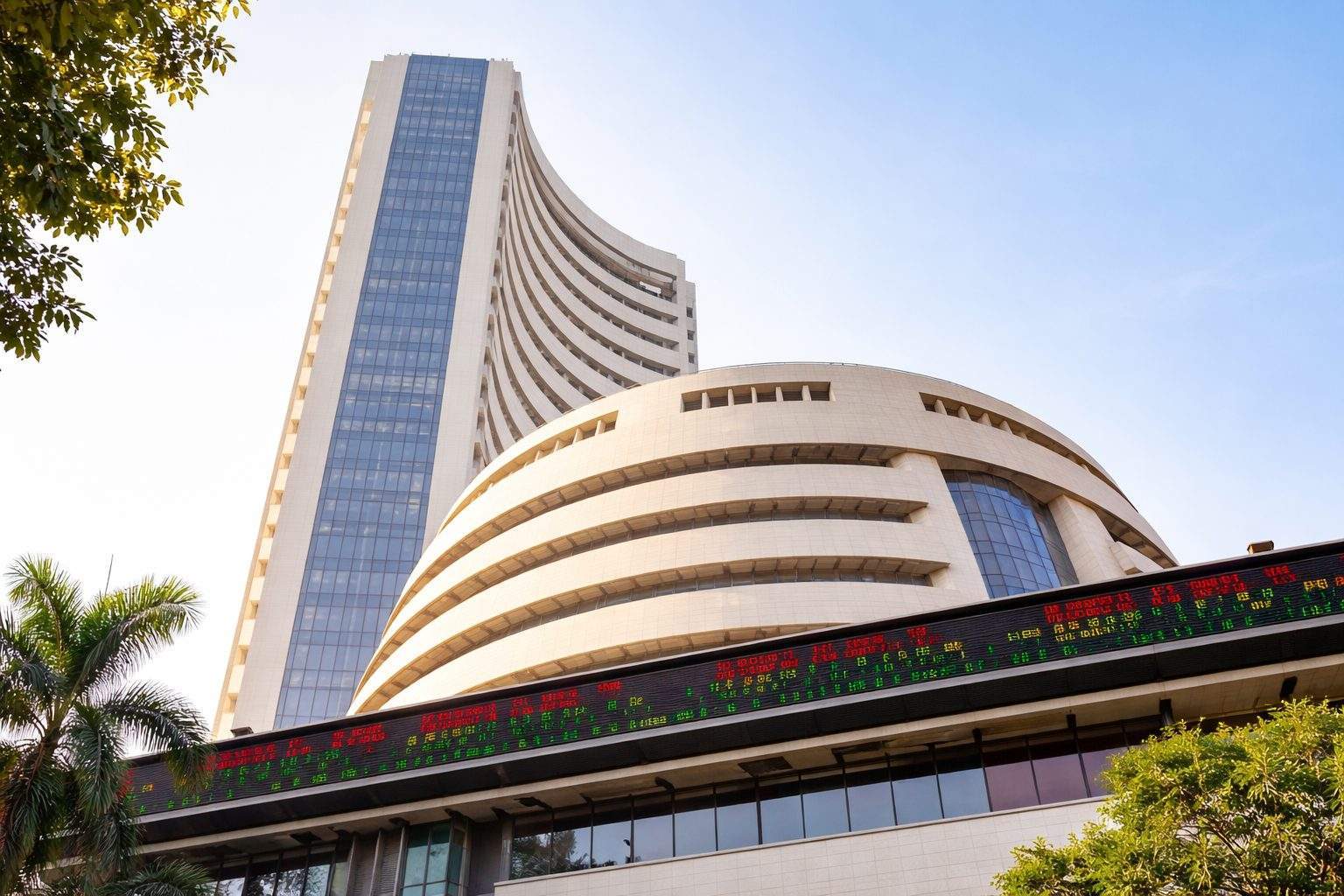

MUMBAI, Feb 6, 2026, 16:30 (IST) — Market closed
- Nifty 50 ticked up 0.2% to 25,693.70, while Sensex climbed 0.32% to reach 83,580.40.
- Sentiment steadied following a volatile week, buoyed by a U.S.-India trade agreement and the RBI’s decision to keep its policy rate unchanged.
- IT stocks remained under pressure amid concerns that new AI tools might disrupt outsourcing demand.
Indian shares closed higher on Friday, marking their best week in three months, helped by a surprise U.S.-India trade deal that eased a major concern. The Nifty 50 inched up 0.2% to 25,693.70, while the Sensex climbed 0.32% to 83,580.40. “The U.S.-India trade deal came completely out of nowhere,” said Aishvarya Dadheech, founder and chief investment officer at Fident Asset Management. MarketScreener
The deal now has a clear timeline, with investors eyeing the next official moves. Trade Minister Piyush Goyal said India and the U.S. aim to sign a formal agreement in March, accompanied by a joint statement within four to five days. “A formal agreement on this deal will take 30-45 days and will be signed in March,” Goyal told reporters. Reuters
The Reserve Bank of India held its repo rate steady at 5.25%, maintaining a “neutral” stance and suggesting no immediate rate changes. Governor Sanjay Malhotra noted that “external headwinds have intensified” since the previous meeting, but added that trade agreements “augur well for the economic outlook.” Reuters
Technology shares took a hit. Indian IT exporters, tied closely to global corporate budgets, saw selling pressure as traders grew uneasy about the rollout of new AI automation tools. “The market fears (the AI tools) may replace IT services that are currently outsourced,” noted VK Vijayakumar, chief investment strategist at Geojit Investments. Reuters
The Nifty IT index dipped 1.47%, finishing at 35,611.60 and deepening its steep weekly decline.
Infosys slipped 0.85%, finishing at 1,506.90 rupees, with other major IT stocks also dipping, lagging behind the broader market’s late rally.
Elsewhere, buying was pickier, with defensives and financial stocks nudging the benchmarks into positive territory. Vinod Nair, head of research at Geojit Investments, noted that “equity markets traded largely subdued through most of the session before staging a late recovery,” driven by demand in FMCG (fast-moving consumer goods) and private banks. India Today
Budget ripples continue to stir the market. India’s government plans to hike the securities transaction tax (STT) on derivatives like futures and options. Some brokers caution this could dampen trading volumes and hedging strategies.
The rupee closed weaker on the day but posted its strongest weekly gain in more than three years, lifted by a trade deal earlier this week. Equities traders will be watching closely for any shifts in foreign capital flows as a result.
Still, the near-term outlook looks shaky: a tech-driven sell-off across Asia highlighted how fast risk appetite can evaporate when investors pull back. Indian software exporters are also vulnerable if the global sell-off worsens.
Inflation data will be the next key focus. On Feb. 12, India’s statistics office plans to launch a revised CPI inflation series, resetting the base to 2024=100. This update could shift market expectations about the RBI’s upcoming policy decisions.
Markets worldwide are eyeing the postponed U.S. Employment Situation report for January, now set for release on Feb. 11. This key data could influence Monday’s opening in India, impacting both rates and tech sector sentiment.
Related articles: NSE:INFY