London, Feb 8, 2026, 08:16 GMT — Market shut.
Reckitt Benckiser Group plc slipped 14 pence to finish at 6,400 pence on Friday, down 0.22%. Despite the modest dip, shares remain close to their recent highs after kicking off February on solid footing. The FTSE 100 consumer goods firm trades roughly 1.9% shy of its 52-week peak at 6,522.92, with a 16.8% gain logged over the last year, according to data.
Next week’s in focus largely thanks to the calendar. A one-off cash return is on the table, with management slated for two set-piece appearances—opportunities to nudge expectations, even if just a little.
Reckitt says it’s set to hand back about £1.6 billion to shareholders, lining up a special dividend of 235 pence per share, with payment scheduled for Feb. 20. That’s coming together with a 24-for-25 share consolidation. The move: fewer shares in circulation, a higher share price, but the company’s overall market value should stay roughly in place after the distribution.
CEO Kris Licht and CFO Shannon Eisenhardt are set to speak at the Consumer Analyst Group of New York (CAGNY) event in Orlando on Feb. 19. Their presentation, which runs from 15:00 to 15:45 GMT, will be available via webcast.
Reckitt has scheduled its full-year results release for March 5, with an investor presentation set for 08:30 GMT at the London Stock Exchange, the company said.
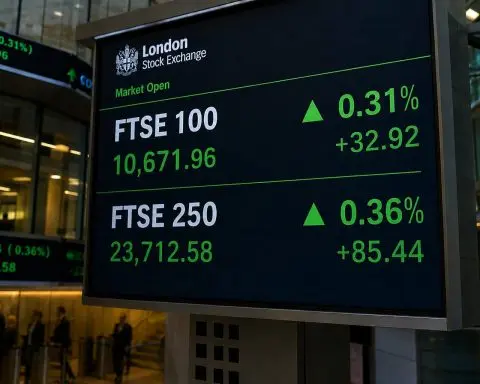
London’s main index ended Friday up 0.6%, thanks to strong gains in heavyweight bank stocks as traders digested signals from the Bank of England—that interest rates might come down, assuming inflation stays on track. Still, the week had already seen turbulence, with tech dragging the market lower in earlier sessions.
Reckitt shareholders aren’t fixated on the daily moves right now. The focus is on CAGNY—what’s actually said there—and if March’s results will finally put something concrete on the table about next steps after the portfolio shakeup and capital return.
This works both ways, though. Shares sitting near their highs leave little room for error—missteps in communication or a swing in risk appetite could trigger swift profit-taking. A special dividend, after all, doesn’t offer a recurring source of growth.