
HONG KONG, Feb 17 (Reuters) –
- China’s CSI300 and the Shanghai Composite both dropped roughly 1.3% in their final trading session ahead of the Lunar New Year break.
- For newcomers, there are a few entry points: offshore ETFs, Hong Kong listings, or mainland A-shares accessed through Stock Connect. Each comes with its own set of rules.
- Investors are eyeing the durability of the AI-fueled rally as markets open, and also looking to see if Beijing maintains strict control over speculative bets.
The CSI300, China’s blue-chip index, wrapped up Feb. 13 off 1.25% at 4,660.41. The Shanghai Composite slipped too, losing 1.26% to settle at 4,082.07 as traders pared back risk ahead of the holiday.
The dip follows Beijing’s recent push for solid, sustainable gains—leaders have been touting a bullish message while clamping down harder on risky trades and leverage. “A rising stock market helps fund China’s technology advancement, enhances people’s wealth, and aids economic growth,” said Meng Lei, a China strategist at UBS. Reuters
Timing’s key here, with the next shift potentially coming from overseas. U.S. tech stocks have been unsteady, so those “AI trade” jitters are hanging around. With Lunar New Year holidays shuttering markets in parts of Asia, liquidity has dried up. Investors now have to wait until trading picks back up for more direction. Reuters
Hong Kong wrapped up a shortened trading day Monday, with the Hang Seng Index closing 0.5% higher at 26,705. The city remains the primary offshore hub for Chinese equities.
“China stocks” isn’t a tidy term for newcomers. Sometimes it’s talking about A-shares you’ll find on Shanghai or Shenzhen. Other times, it’s offshore names trading in Hong Kong. Then there are overseas-listed funds or depositary receipts—those can bundle a bit of both.
Often, the most straightforward approach is picking a China equity ETF or mutual fund listed locally—these don’t always come across as particularly “Chinese.” They’ll give you wide market exposure and handle things like index changes and corporate actions. Still, expect some swings; the fund’s holdings remain linked to China’s policy moves and shifts in sentiment on the ground.
Picking out single Hong Kong-listed stocks adds a layer of complexity. Trades settle in Hong Kong dollars. The upside: access to a wide range of major Chinese firms, and company disclosures are generally easier to track down compared to the mainland. But watch the concentration—benchmarks can lurch if internet giants, banks, or property-related names make big moves.
Most mainland exposure flows via Stock Connect, according to HKEX. The exchange calls it a channel for Hong Kong and foreign investors to buy certain A-shares and ETFs on the Shanghai and Shenzhen bourses, using Hong Kong as the entry point. There’s a daily “northbound” quota—52 billion yuan per link. Some areas, like STAR Market and ChiNext, are off-limits to retail; only professional investors get access. hkex.com.hk
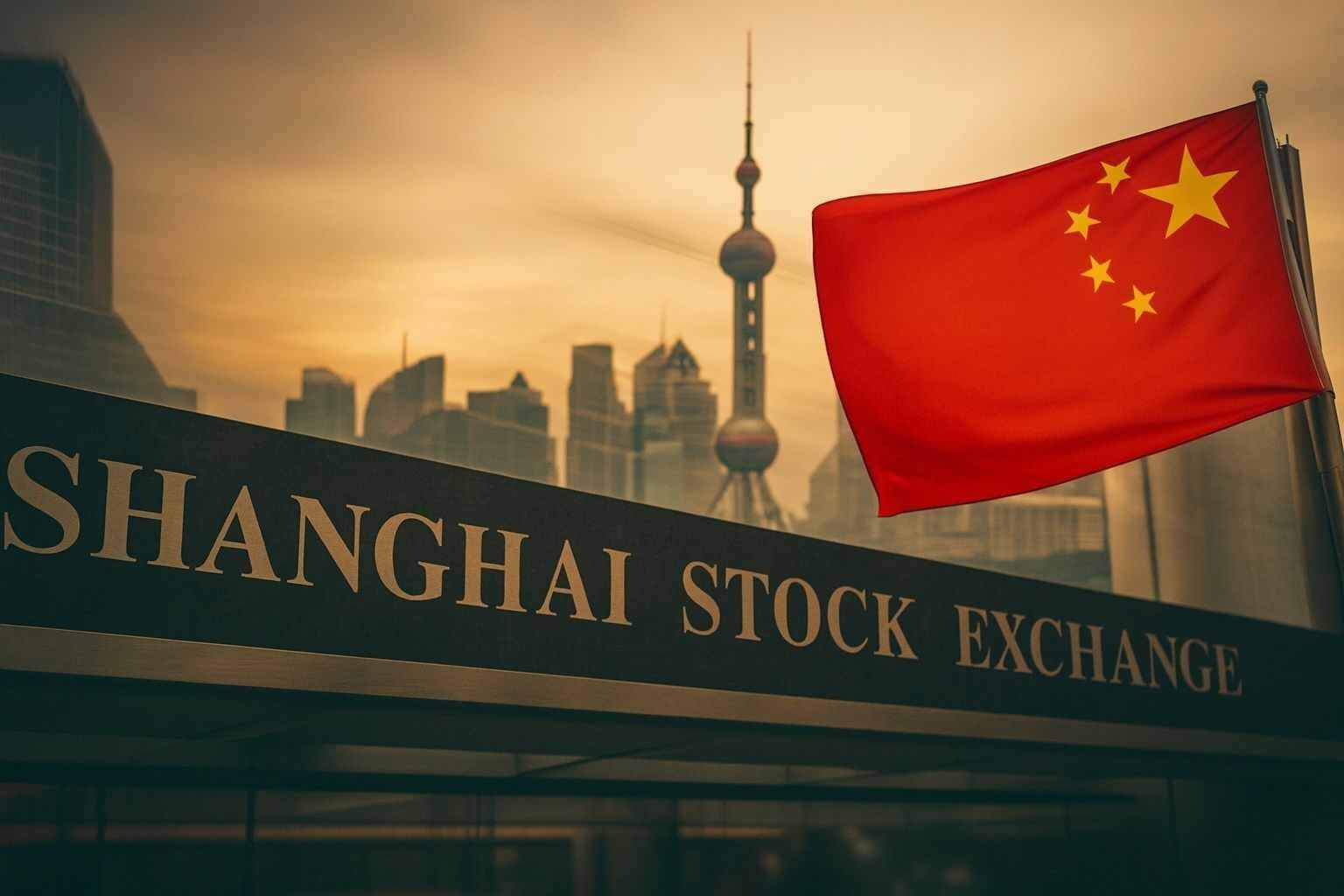
First-timers often get caught by the trading rules. Most A-shares on the Shanghai Stock Exchange face a 10% daily price cap, while the STAR board lets prices swing within a 20% band. That can rein in panicked moves, but it might also leave traders stuck when markets move fast. HKEX’s Shanghai Connect adds more: no “turnaround trading,” so you can’t buy and sell the same stock in one session, and any order outside the price limits? It can get tossed out. english.sse.com.cn
Currency risk sits on top of everything. Northbound trades settle in yuan, which means FX fluctuations can erode your returns regardless of how the underlying stock performs. And forget about standard fees—transaction costs vary, and if you’re not trading big, those charges start to bite.
China stocks aren’t simply following macro data these days. Product cycles and policy cues play a big role—particularly in tech and so-called “new economy” stocks, which have drawn heavy retail interest.
Chinese AI firms scrambled to launch fresh models and updates before the holiday. ByteDance rolled out Doubao 2.0, its latest chatbot. Tencent’s Hunyuan team pushed out a slimmed-down model built for consumer devices. iFlytek and others also dropped upgrades. Meanwhile, Zhipu filed for a secondary listing in Shanghai, according to a regulatory document.
The latest headlines are already influencing where investors put their money. “We sense a notable pick-up in interest,” said James Wang, head of China strategy at UBS investment bank research, highlighting chemicals and A-share semiconductor equipment as spots closely linked to the country’s push for homegrown AI. indopremier.com
Investors are watching Hong Kong’s fundraising flow closely. Battery equipment maker Wuxi Lead brought in HK$4.9 billion with its Hong Kong share sale, only to see its first session wrap up exactly at the offer price. “Its H share price is influenced by the performance of its A share counterpart,” said Kenny Ng, securities strategist at China Everbright Securities International, noting this is common for dual-listed names. Wuxi Lead had previously projected its full-year net profit would soar more than four times. Reuters
China equities can soar, but they can just as easily tumble. Policy can pivot quickly; enforcement may stiffen with little notice. Geopolitics sometimes targets whole sectors in a flash. The yuan’s swings—stronger or weaker—shift the numbers for offshore players. And when trading is thin during holidays, those first post-break moves can get amplified.
In the first week back after the break, investors are looking to see if domestic cash moves back into AI-linked stocks, if regulators continue to clamp down on leverage, and if Hong Kong channels keep overseas flows running at a steady pace. Shanghai’s exchange is set to resume trading Feb. 24, following the Spring Festival.
Related articles: NYSE:UBS