
Sydney, February 19, 2026, 16:55 AEDT — The market is now closed.
- Telstra shares ended the session at A$5.15, climbing roughly 3.8%.
- The buyback cap moves up to A$1.25 billion, with the interim dividend now set at 10.5 cents.
- Attention turns to the Feb. 25 ex-dividend date, with investors watching for any follow-through on the buyback.
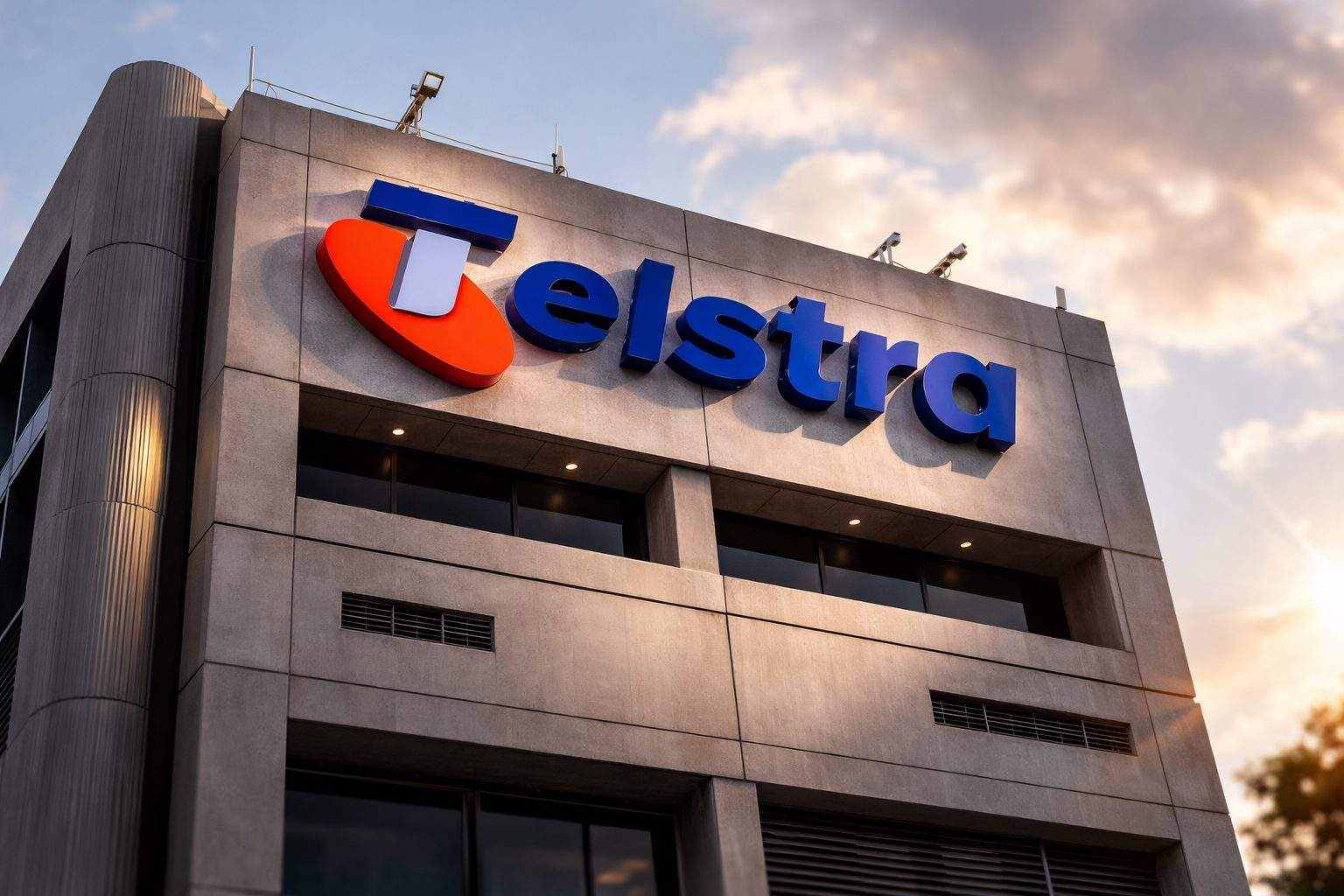
Telstra Group Limited ASX:TLS jumped roughly 3.8% by Thursday’s close, finishing at A$5.15. The rally came after the telecom company bumped up its buyback limit and raised its interim dividend. Shares hit an intraday high of A$5.26 before settling back.
This matters because Telstra is doubling down on exactly what Australian equity investors want: clear cash returns and reliable profits, even with the market swinging. The company turned in a first-half profit ahead of expectations, added A$250 million to its on-market buyback, and sharpened its full-year earnings range. eToro analyst Zavier Wong called Telstra “one of the most defensive names on the ASX” with rate uncertainty still hanging over the market. Reuters
Telstra CEO Vicki Brady credited tight cost control and capital management for what she called “a strong period” in the first half. The board declared an interim dividend of 10.5 cents per share, franked at 90.5%. Telstra also raised the buyback ceiling to A$1.25 billion, having already repurchased A$637 million worth of shares during the half. Telstra.com
Telstra posted half-year revenue of A$11.64 billion, with profit attributable to equity holders landing at A$1.124 billion for the six months ended Dec. 31. The telco said it repurchased 130.1 million shares, spending A$637 million at an average of A$4.90 apiece. The interim dividend record date comes up Feb. 26, with payment set for March 27. Updated guidance now calls for underlying EBITDAaL between A$8.2 billion and A$8.4 billion for FY26.
Some terms could use a quick decode. Telstra’s EBITDAaL strips out interest, tax, depreciation, amortisation, and then makes further tweaks for lease accounting—a method popular among Australian companies to iron out lease-related profit bumps. Then there’s “cash EBIT,” Telstra’s way of tracking earnings by filtering out routine capex and spectrum amortisation, both of which can swing considerably from one half to the next.
Income-oriented investors are paying attention to the split between buybacks and dividends here. An expanded repurchase program means fewer shares out there eventually—assuming profits don’t slip, that props up earnings per share. The franking part? That’s a bonus for Australian taxpayers, since it hands them tax credits.
But there’s a hitch. Telstra’s best-case scenario depends on holding onto its mobile pricing strength and bringing in more customers—without sparking a jump in churn or skimping on network investment. If rivals push prices lower or second-half spending creeps up, cash flow could feel the squeeze, putting the brakes on the buyback.
Optus, owned by Singtel, and TPG Telecom are still in the mix as the main competitors in consumer mobile and broadband. The sector leans hard on predictability, but a quick price move or heightened scrutiny from regulators around affordability and conduct could flip things fast.
Mark Feb. 25 for the ex-dividend date—that’s when Telstra shares lose their interim payout. The following day, Feb. 26, is the record date. Payment lands March 27. As for Telstra’s next big news, annual results drop Aug. 13.
Related articles: ASX:TLS