NEW YORK, March 28, 2026, 13:09 EDT
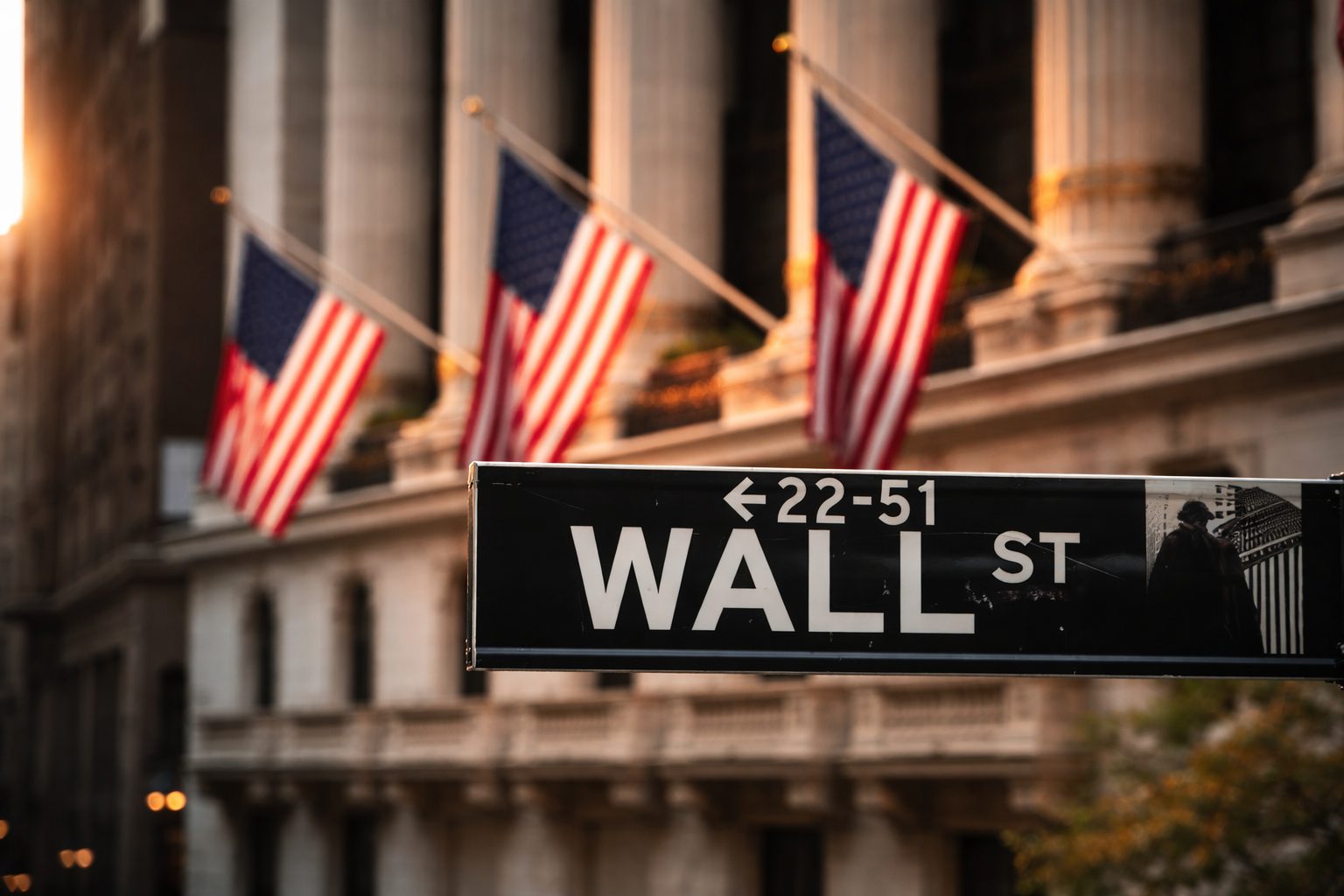
U.S. stocks capped a tough week with another wave of selling on Friday, sinking the Dow Jones Industrial Average into correction territory—a 10% slide from its recent high—and marking five straight weekly declines for the major indexes. The Dow shed 793.47 points, down 1.73%, to finish at 45,166.64. The S&P 500 lost 1.67% to close at 6,368.85, while the Nasdaq Composite fell 2.15% to 20,948.36, putting all three at their lowest levels since more than seven months ago. Tech giants and consumer stocks bore the brunt: Nvidia closed down 2.2%, Amazon slid 4%, and Carnival slumped 4.3% after cutting its annual adjusted profit outlook.
The S&P 500 and Dow both slid roughly 2% over the week. The Nasdaq shed 3.2%. Correction territory came for the Nasdaq on Thursday; the Dow joined in Friday, deepening a retreat that’s accelerated heading into the end of March.
Here’s why it’s front and center: Oil prices are spiking, with tensions running high over the Iran conflict and ongoing risks at the Strait of Hormuz. Benchmark Treasury yields have pushed past 4.4%. Now, futures traders have thrown out bets for any Federal Reserve rate cuts this year; two were penciled in before the fighting broke out.
No one’s labeling this a total washout yet, but there’s a sharper edge in the air. Doug Beath at Wells Fargo Investment Institute likened the relentless stream of data to the “fog of war.” Jim Baird from Plante Moran doesn’t expect stocks to shake their “headline-driven” moves anytime soon—not until investors get confirmation the fighting is actually winding down. Reuters
Friday brought a fresh dose of gloom to the macro outlook. The University of Michigan’s latest data showed consumer sentiment dropping to 53.3 in March, down from 56.6 a month earlier. One-year inflation expectations ticked higher, up to 3.8% from 3.4%. PNC Financial chief economist Gus Faucher sounded a warning: consumers might “throw in the towel” if gasoline keeps climbing and equities don’t recover. Reuters
The next hurdle isn’t far off. Economists surveyed by Reuters expect March nonfarm payrolls to climb by 55,000, with unemployment landing at 4.4%. That data drops April 3—U.S. markets will be shut for Good Friday. James Ragan at D.A. Davidson figures “any positive number” could buoy a market that’s looked sluggish heading into the quarter’s finish. Reuters
Energy remains the real wild card. Brent has surged over 50% since the war started, and analysts surveyed by Reuters say prices could leap well past today’s mark—possibly nearing $200 a barrel if Iran’s export infrastructure takes a hit. Baird, for his part, notes that any tangible progress with Iran would likely boost confidence in the market.
Still, a definitive capitulation hasn’t played out. LSEG data puts first-quarter S&P 500 earnings growth around 14%. Krishna Chintalapalli at Parnassus Investments notes U.S. companies are “becoming more resilient to geopolitical risks”—a signal that investors remain caught between solid profits and the pressures of higher fuel bills and tighter financial conditions. Reuters