
NEW YORK, March 30, 2026, 09:12 EDT
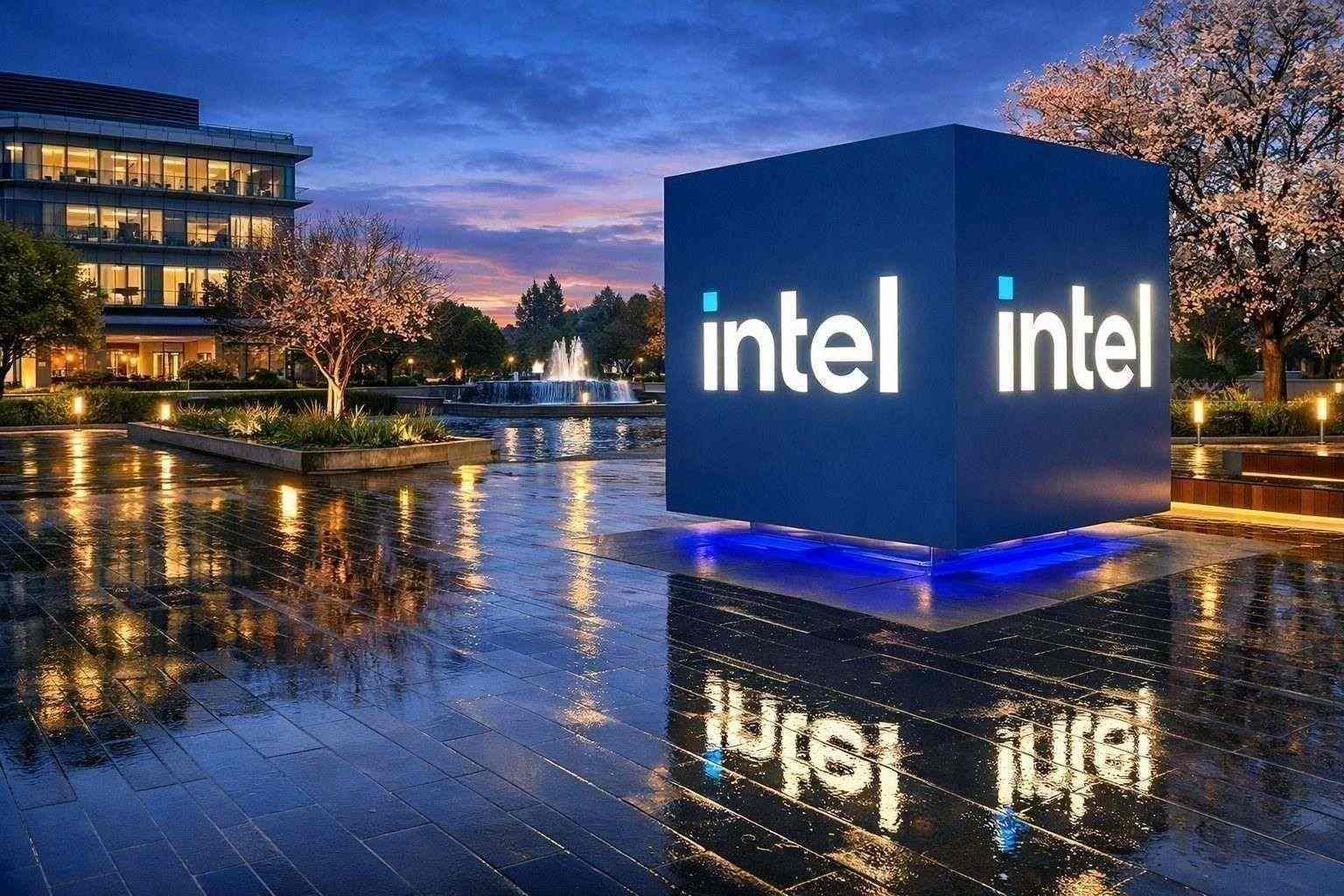
Intel Corporation’s initial commercial PCs featuring its 18A process are slated to land with customers Tuesday, Dell among the earliest to deliver systems. The chipmaker said PCs using its Core Ultra Series 3 and vPro platform—covering management and security—will hit the market starting March 31. Dell has its Pro 14 Premium, Pro 5 Micro, and Pro Precision 7 lined up for release that same day.
The 18A rollout is key. Intel’s latest chipmaking technology underpins Chief Executive Lip-Bu Tan’s push to reclaim manufacturing dominance and shore up its foundry business. The timing is notable: companies are still upgrading to Windows 11, but higher memory prices could soon drive up PC costs and dampen appetite.
Intel’s commercial lineup includes over 125 models—laptops, desktops, workstations all in. David Feng, VP in the client computing group, described the offering as “the most expansive” portfolio the company’s brought out to date. The vPro platform targets IT departments looking for scalable device management and security features. Newsroom
Intel gets an early foothold in the corporate space with Dell’s rollout, but it’s no monopoly. Dell will sell its new commercial laptops and workstations with a choice between Intel’s Core Ultra Series 3 and AMD’s Ryzen AI 400 chips. Analyst Pat Moorhead flagged that enterprises are deep into a “major PC refresh cycle,” balancing security, manageability, and flexible workloads, all while navigating choppy supply chains. Dell
Tuesday’s rollout goes beyond a routine product launch. Earlier this month, Intel CFO David Zinsner said Tan now views 18A as “a good node” for external clients too—a significant pivot, considering Intel had previously aimed to keep the process for its own chips. Reuters
Intel heads into the test with the margin for mistakes razor-thin. Back in January, the chipmaker acknowledged it couldn’t keep up with demand for server CPUs that complement Nvidia’s AI chips, and its first-quarter revenue outlook missed Wall Street’s mark. Tan voiced his frustration to analysts over Intel’s inability to completely meet customer needs right away.
Competitive pressure isn’t letting up. Arm’s AGI CPU announcement last week sparked a 20% rally in its stock, with Intel and AMD both climbing over 5%—evidence investors see a bigger AI opportunity for classic CPUs. In the PC space, Intel’s own launch partners aren’t shutting out AMD, which is still getting its share of the action.
PC makers are staring down a tougher market. Gartner reports global PC shipments rose 9.1% in 2025, largely on the back of Windows 11 refreshes, but it’s bracing for a 10.4% drop in 2026 as DRAM and SSD costs head higher. According to Ranjit Atwal, senior director analyst at Gartner, the first half of 2026 is shaping up as a “critical window” for vendors to shore up margins before component price hikes take hold. Gartner
Intel faces a risk: AI PCs—machines built to process some AI tasks locally—might not deliver returns as quickly as chipmakers once thought. Gartner is warning that AI PC uptake could slow through 2027. Intel itself admits margins are tied closely to yields, or the number of good chips produced from each silicon wafer. Meanwhile, Dell is already selling AMD-powered options in the same product lines.
Shares of Intel slipped roughly 2.2% to $43.13 just ahead of Monday’s open.
Related articles: NYSE:DELL