
NEW YORK, April 9, 2026, 15:11 EDT
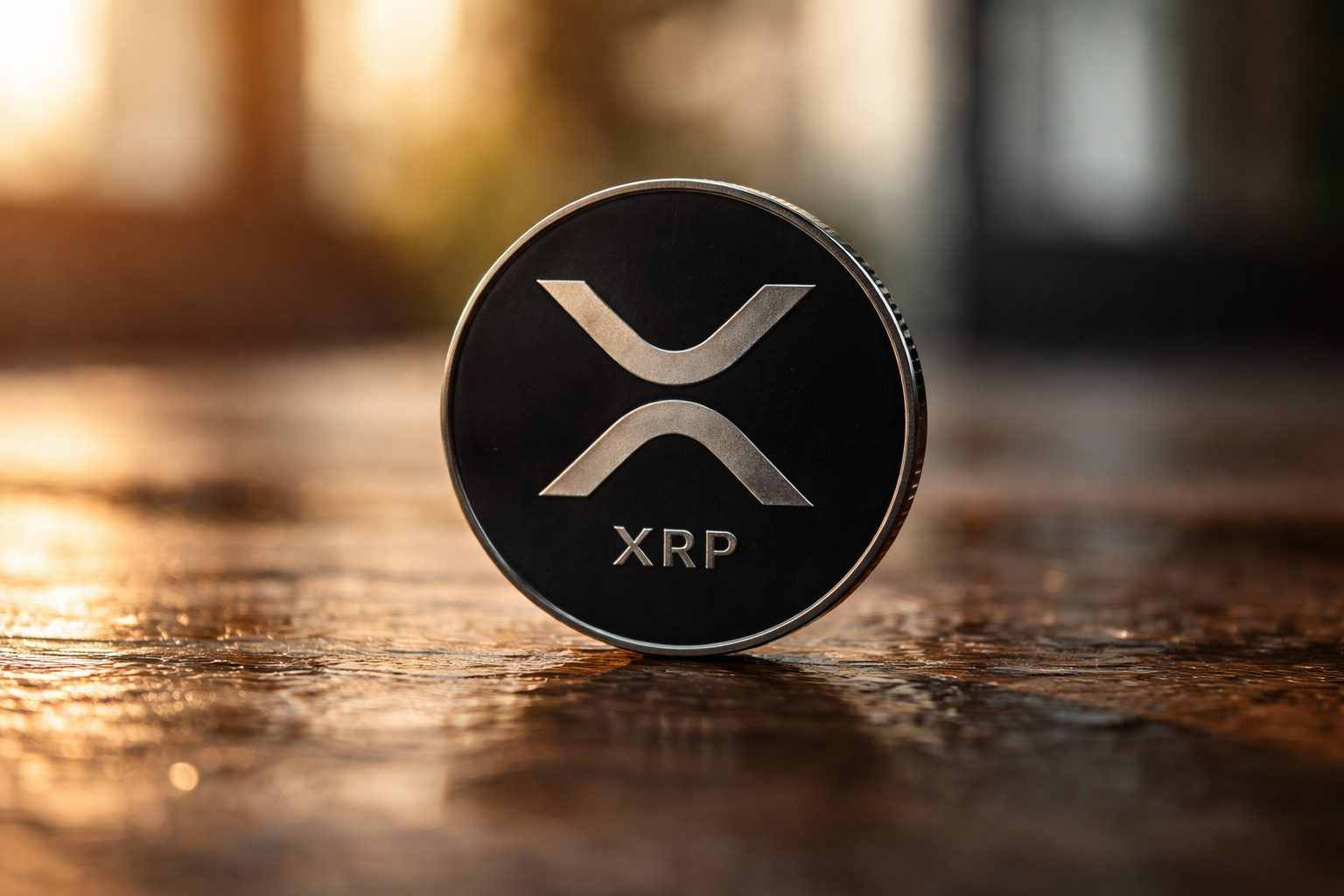
- XRP hovered near $1.35 on Thursday, the price settling after a turbulent day when the ceasefire rally fizzled out.
- XRP-linked listed funds pulled in $119.6 million last week, according to CoinShares—a weekly inflow for the token not seen since mid-December 2025.
- Washington’s renewed effort to set crypto regulations gave sentiment a lift. Still, uncertainty lingered around the U.S.-Iran ceasefire, keeping risky assets under the gun.
XRP edged down toward $1.35 on Thursday, shedding some of Wednesday’s gains as doubts around a U.S.-Iran ceasefire dampened demand for riskier bets. According to CoinDesk, the token fell from roughly $1.37 to $1.33, with sellers taking advantage of bounces to unload. Price trackers from CoinDesk, CoinMarketCap, and Coinbase later reflected XRP hovering in the mid-$1.30s.
XRP is still pulling in institutional cash, despite how markets swing on every geopolitical twist. According to CoinShares, funds tied to XRP—those exchange-traded products traded on regular stock exchanges—attracted $119.6 million last week. That’s the largest weekly inflow for XRP since mid-December 2025, topping every other asset in their data.
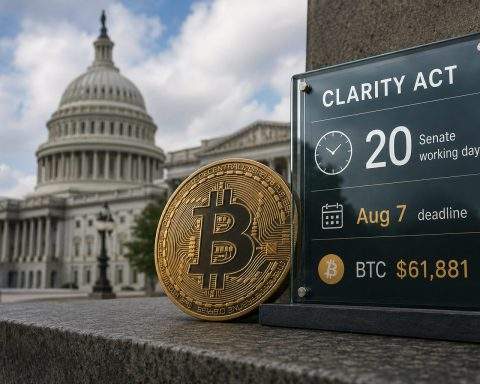
Washington cranked up the pressure Thursday. Treasury Secretary Scott Bessent called on Congress to greenlight the Clarity Act—a bill designed to lay out federal rules for digital assets—arguing that the regulatory vacuum has driven development offshore to places like Abu Dhabi and Singapore.
Traders had their eyes on the Gulf first, not Capitol Hill. According to Reuters, the ceasefire was shaky: Israeli strikes hit new targets in Lebanon, Iran held its position at the Strait of Hormuz, and bitcoin slipped almost 1%. “The entire ceasefire remains tenuous,” MUFG’s Derek Halpenny said, who heads research for global markets EMEA. Reuters
Wednesday told a different story. According to Barron’s, XRP surged 5.5%, bitcoin added 4.8%, and ether ran up 7% after the ceasefire announcement sparked a quick burst of buying in crypto and related stocks.
Matt Mena at 21Shares put it bluntly: “If the ceasefire does not hold, we will likely slide to $66,000,” he told Bloomberg, sizing up market nerves over bitcoin. CoinDesk, for its part, quoted him pointing to hopes for easing tensions and a regulatory lift as potential bright spots for a rebound. XRP remains tethered to the same risk trade. Bloomberg
James Butterfill at CoinShares echoed that sentiment, pointing to “stronger-than-expected retail sales data” coupled with “mixed geopolitical signals” as triggers for the late-week outflows. For now, new cash entering XRP products hasn’t sparked a lasting breakout in price. CoinShares
Peers highlighted the trend: Barron’s reported ether slipping roughly 3% and solana by 2.9% on Thursday. Reuters had bitcoin at $70,680. XRP, meanwhile, was trading with the swings of a high-volatility macro asset, not on any fresh Ripple-driven catalyst.
XRP remains sizable. As of Thursday, CoinMarketCap put its market cap near $83.2 billion, good for the number four slot. Coinbase figures showed circulating supply at about 61.4 billion tokens, with 24-hour trading volume hitting $2.5 billion.
Still, the policy environment isn’t as tough as last year. Back in August, Reuters said the SEC wrapped up its lawsuit against Ripple but kept a $125 million fine on the table. Then in March, the SEC and CFTC came together with new joint guidance, detailing which crypto assets fall under securities laws and when.
The risk is clear enough. Barclays has cautioned that if shipping through Hormuz stays disrupted, oil prices could remain elevated. Reuters reported that recent U.S. inflation figures might keep the Federal Reserve on hold for rate cuts. That combination could keep XRP facing headwinds—despite fresh inflows and an easier regulatory landscape.
Related articles: NASDAQ:COIN