
NEW YORK, April 14, 2026, 13:04 EDT
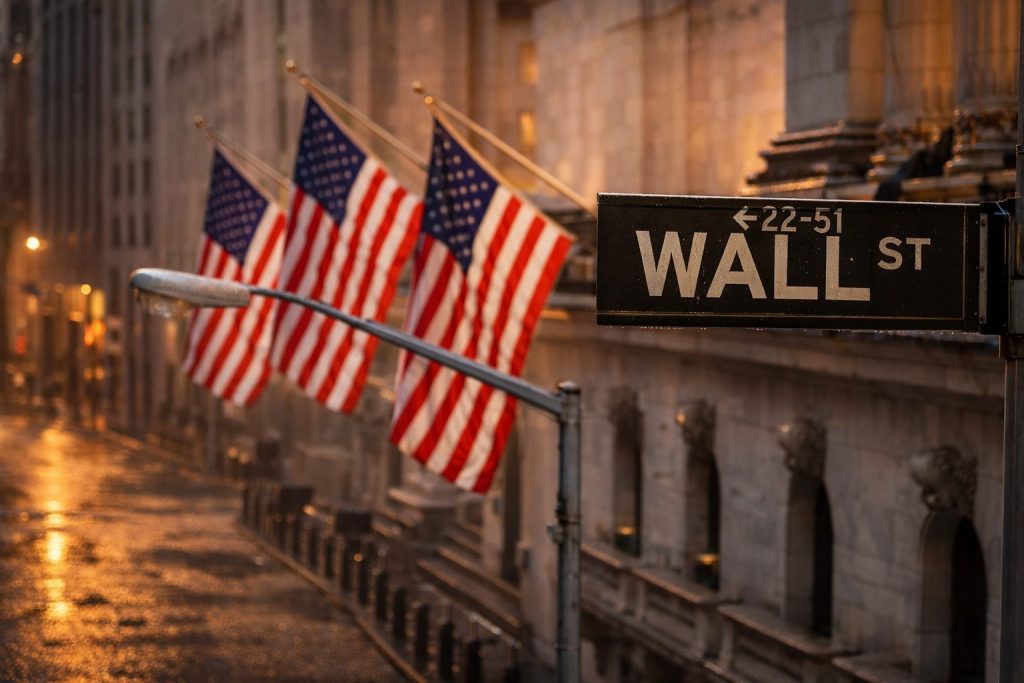
Dow Jones Industrial Average was up roughly 290 points, or 0.6%, around midday Tuesday. A dip in oil prices, some chatter around possible U.S.-Iran diplomacy, plus wholesale inflation figures that landed less hot than investors braced for, all helped keep bullish momentum going. The S&P 500 climbed 0.88%; Nasdaq Composite moved up 1.41%.
This has real weight: for weeks, the market’s been lurching with each new headline from the Middle East war, and every bump in crude prices is getting read as a signal for inflation—and for where rates might head next. The S&P 500 was looking ready to wipe out all the ground it lost since the conflict flared up, building on a rebound that picked up speed after the Dow surged 301.68 points on Monday.
Oil led the move lower. Brent slipped 4.37%, landing at $95.02 a barrel, while U.S. crude tumbled 6.54% to $92.60. Both benchmarks had surged past $100 on Monday, after the U.S. started blocking Iranian ports—a move that raised alarm over supply lines running through the Strait of Hormuz.
News that U.S. and Iranian teams might get back to the table in Pakistan calmed investors somewhat. “The shift from ‘missiles to words’ is giving investors hope,” said Bob Savage, who heads markets macro strategy at BNY. Still, Saxo’s Charu Chanana warned, markets were “trading hope, not resolution.” Reuters
Inflation got another nudge from new data: The Producer Price Index—tracking what companies get paid—climbed 0.5% in March. That missed the 1.1% rise economists had penciled in. Still, the yearly rate quickened, hitting 4.0%, a level last seen in February 2023, thanks to surging energy prices.
“Not as bad as feared,” was how Christopher Rupkey, chief economist at FWDBONDS, sized up the report. He pointed out that producers are still seeing price increases running hotter than usual. Yet, traders are sticking with odds of about one in three for a Federal Reserve rate cut this year. Reuters
Corporate results kept buyers in the market. BlackRock jumped 4.2% after its Q1 profit topped last year’s. Citigroup gained 1.5%, touching levels not seen in almost 20 years. Johnson & Johnson picked up 1.4%. Wells Fargo, on the other hand, slid 4.8% after its interest income came in below forecasts.
The Dow trailed behind the Nasdaq, which once again got a lift from tech shares dominating the session. Late Monday, Citi bumped its view on U.S. equities up to “overweight” from “neutral,” pointing to a valuation reset and projecting that tech could contribute roughly half of all global earnings growth in 2026. BlackRock Investment Institute echoed that view with a similar upgrade. Reuters
The risk still lingers. The International Monetary Fund trimmed its 2026 global growth outlook to 3.1%, cautioning that the world may already be sliding toward a softer scenario if energy supplies keep getting hit. Chief Economist Pierre-Olivier Gourinchas didn’t mince words, warning that should inflation expectations slip out of control, “stepping on the brakes will be painful” for central banks. Reuters
The Dow now faces a straightforward challenge: Can strong earnings reports and softer inflation data continue to balance out oil prices, which are still well above the IMF’s reference-case assumption, and a war with no resolution in sight? Analysts project S&P 500 companies will deliver 13.9% earnings growth for the first quarter, a figure that gives investors another data point to judge whether Tuesday’s gains have real staying power.
Related articles: NYSE:BLK