
Chicago, April 22, 2026, 2:07 PM CDT
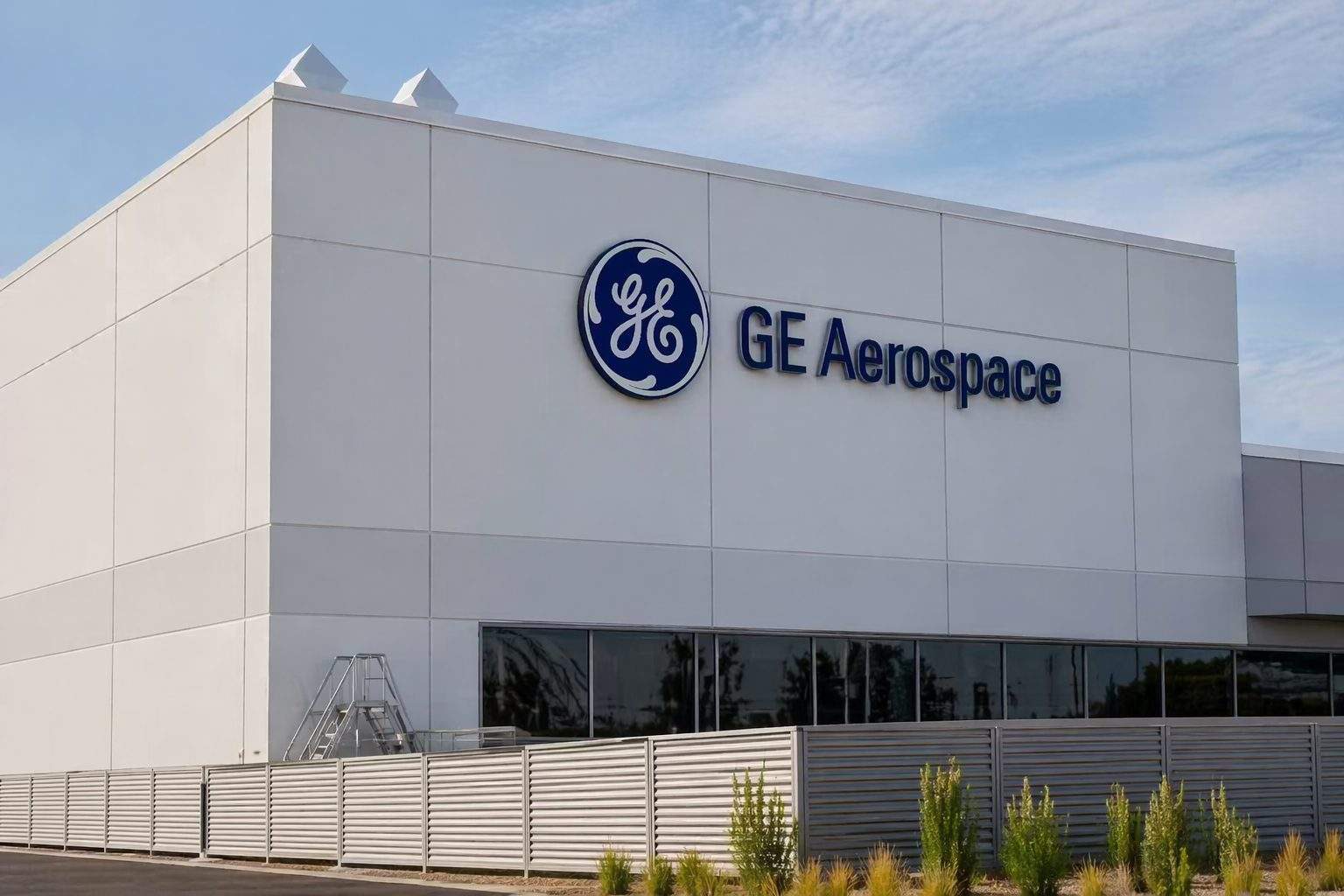
GE Aerospace slumped roughly 4% Wednesday, despite topping first-quarter expectations and signaling it’s tracking toward the upper end of its 2026 profit outlook. Investors focused instead on the company’s decision to hold its full-year guidance steady, pushing the stock lower.
This is crucial for GE—not just because it manufactures engines, but because service contracts on those engines generate the bulk of its profit. Airlines have started flagging higher fuel costs and uncertain demand tied to the Iran war, putting GE’s maintenance revenue in the spotlight. Investors are keen to see just how sturdy that repair business remains.
GE reported first-quarter orders soaring 87% to $23 billion, with adjusted revenue up 29% to $11.6 billion and EPS reaching $1.86—easily clearing the $1.60 analyst consensus. Still, the company lowered its 2026 departures forecast, now seeing flat to low-single-digit growth versus its earlier mid-single-digit target. CEO Larry Culp pointed out that performance is tracking near the top of guidance, as backlog crossed $210 billion.
Culp told Reuters the only thing holding GE back from raising its outlook was the unsettled geopolitical backdrop. “Every time we’ve kind of seen these moments … but then we come roaring back,” he said. Reuters
GE reports customers are sticking around. Commercial-services revenue jumped 39% for the quarter. Demand for spare parts is outpacing what’s available, and that backlog of commercial-services — booked maintenance stretching years ahead — just sits north of $170 billion. Delays from Boeing and Airbus? They’re forcing airlines to hang onto older jets.
This isn’t just a theoretical concern. United Airlines this week projected both second-quarter and full-year earnings below what Wall Street was looking for, and told investors it will likely claw back just 40% to 50% of the most recent spike in fuel costs this quarter. That leaves airlines still shouldering much of the blow.
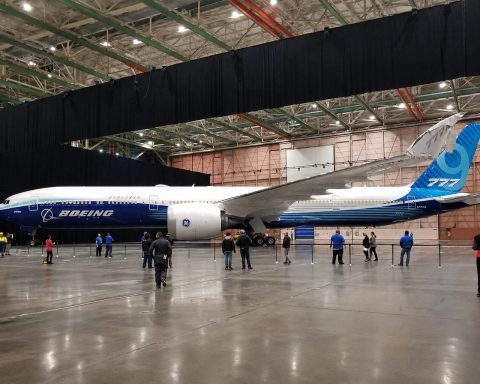
Aerospace names moved in different directions. Boeing jumped roughly 5% Wednesday after its quarterly loss came in much narrower than anticipated, and executives noted they weren’t seeing real concerns about delivery delays. RTX, for its part, boosted its sales and profit targets for 2026 the previous day on rising missile orders and solid aftermarket business.
Some on Wall Street argue the drop has overshot. UBS’s Gavin Parsons called the slide “overdone,” flagging a 1.43 book-to-bill ratio—orders outpacing revenue—and pointing to steady service demand that could mean GE’s core earnings are sturdier than investors think right now. Bank of America’s Ronald Epstein isn’t backing off his bullish view either, citing GE’s hefty services backlog as evidence for a still-intact multi-year growth story. TipRanks
Still, that equation could shift fast if oil prices don’t cool off, disruptions persist in the Strait of Hormuz, or airlines cut back schedules more than GE anticipates. GE is projecting Brent crude to remain high through the third quarter, then cool toward year-end. Its guidance, notably, leaves out any scenario involving a global recession.
GE’s headline numbers came in solid, but the context feels shakier than the quarter alone lets on. Analysts remain upbeat, pointing to bullish notes and a hefty maintenance backlog as reasons to stay confident long-term. Still, Wednesday’s selloff made one thing clear: investors want to see airlines handle another fuel price jump before they’re ready to bid the stock higher.