
NEW YORK, April 23, 2026, 10:25 EDT
- Shares of Micron Technology retreated roughly 2.2% Thursday morning, pulling back from their all-time high close of $487.48 set on April 22.
- SK Hynix logged its highest-ever profit, reporting that appetite for AI memory chips has now outstripped what it’s able to produce.
- Micron is urging U.S. officials to clamp down harder on sales to Chinese chipmakers, Reuters said, as Congress mulls the MATCH Act.
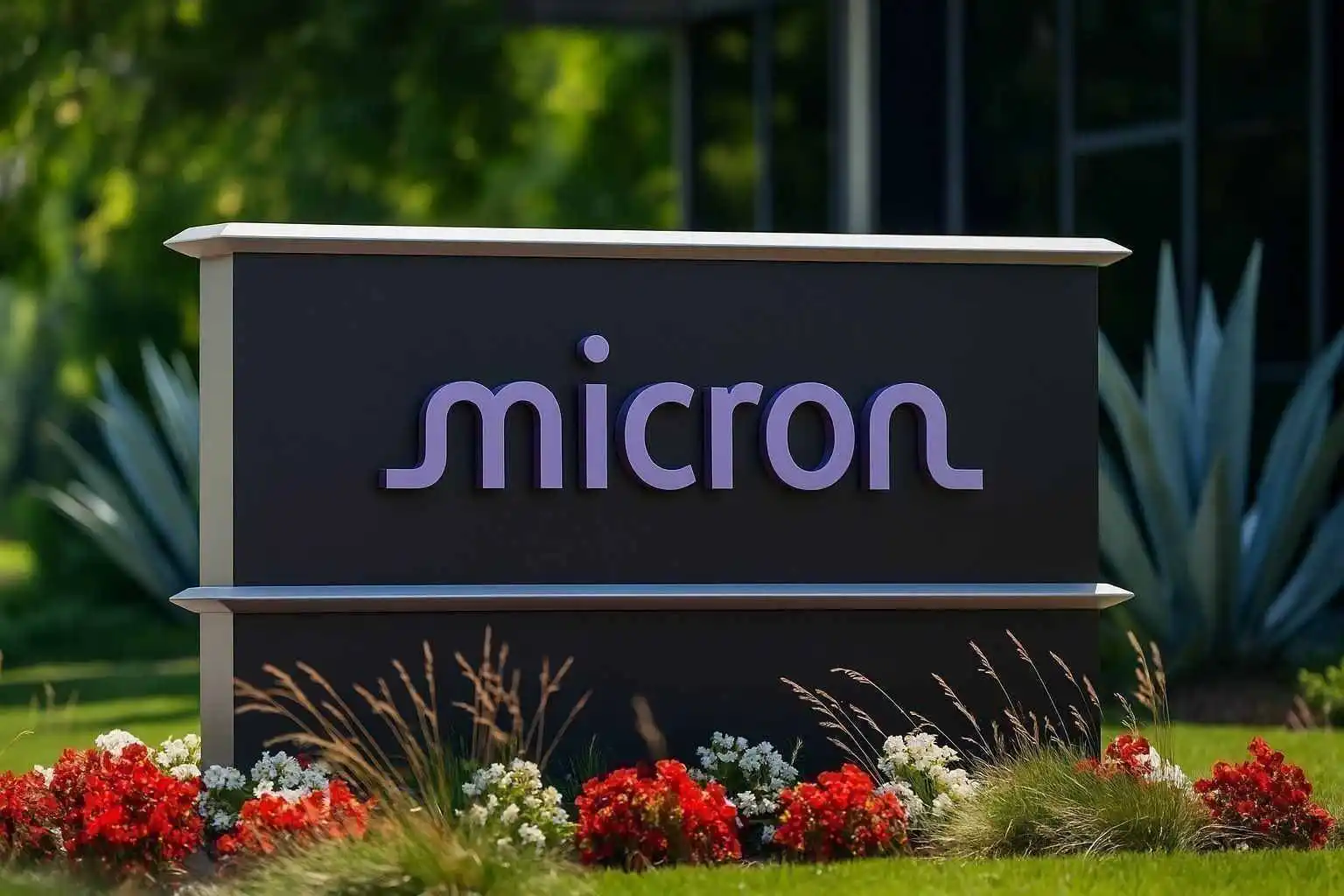
Micron Technology shares slipped roughly 2.2% early Thursday, erasing some of the heady 8.48% rally and record finish logged the previous session. After the surge in memory-chip stocks, investors seemed to step back. The stock hovered around $476.98 in early New York trading.
It’s a relevant turn, with SK Hynix—Micron’s heavyweight South Korean competitor—delivering fresh numbers that only add fuel to the shortage narrative behind MU’s recent jump. The company turned in its highest-ever quarterly profit and made it clear: demand for advanced AI memory isn’t just strong, it’s set to outstrip their production capacity for at least the next three years.
Washington is also in play. Reuters, on April 22, noted that Micron—the top U.S. memory chipmaker—has been pressing Congress to clamp down harder on sales of chipmaking equipment to Chinese competitors. This comes as a House committee pushed the MATCH Act forward, a bill designed to plug holes in current export rules.
Micron heads into the contest with momentum from a standout March quarter. The company posted fiscal Q2 revenue of $23.86 billion and projected $33.5 billion for the current quarter. CEO Sanjay Mehrotra called memory a “strategic asset” for customers navigating the AI era. The board bumped up the dividend by 30%. Micron Technology
High-bandwidth memory—better known as HBM—is a stacked DRAM variant tailored for massive data transfers while keeping power draw in check, a must-have for AI chipmakers. The three heavyweights controlling supply: Micron, Samsung Electronics, and SK Hynix. According to SK Hynix executive Ki Tae Kim, demand from customers “far exceeds our production capacity.” Reuters
Micron isn’t holding back on spending to defend its turf. The company’s looking at more than $25 billion in investment for this fiscal year alone, with another bump eyed for 2027. Chief Business Officer Sumit Sadana pointed to construction as the main factor behind what he called a “very significant increase” in capex. Over in Taiwan, the Tongluo site Micron is acquiring should start contributing DRAM wafer production sometime in the back half of 2027. Reuters
But that’s the catch, too. JonesTrading strategist Mike O’Rourke warns the ramped-up capex could push Micron back into commodity pricing territory as more supply hits the market. Reuters, citing analyst views on Thursday, noted that price momentum in key memory products is expected to lose steam after Q2—even if current capacity remains tight.
Micron shares retreated Thursday, tracking a broader Wall Street dip as investors weighed the U.S.-Iran conflict and a patchy batch of earnings. Despite the drop, the stock hovered near its all-time closing high from Wednesday, keeping Micron Technology in focus as the market gauges whether the AI-driven memory shortfall will persist and support the sector’s current investment spree.
Related articles: Technology