
SASKATOON, April 25, 2026, 13:04 CST
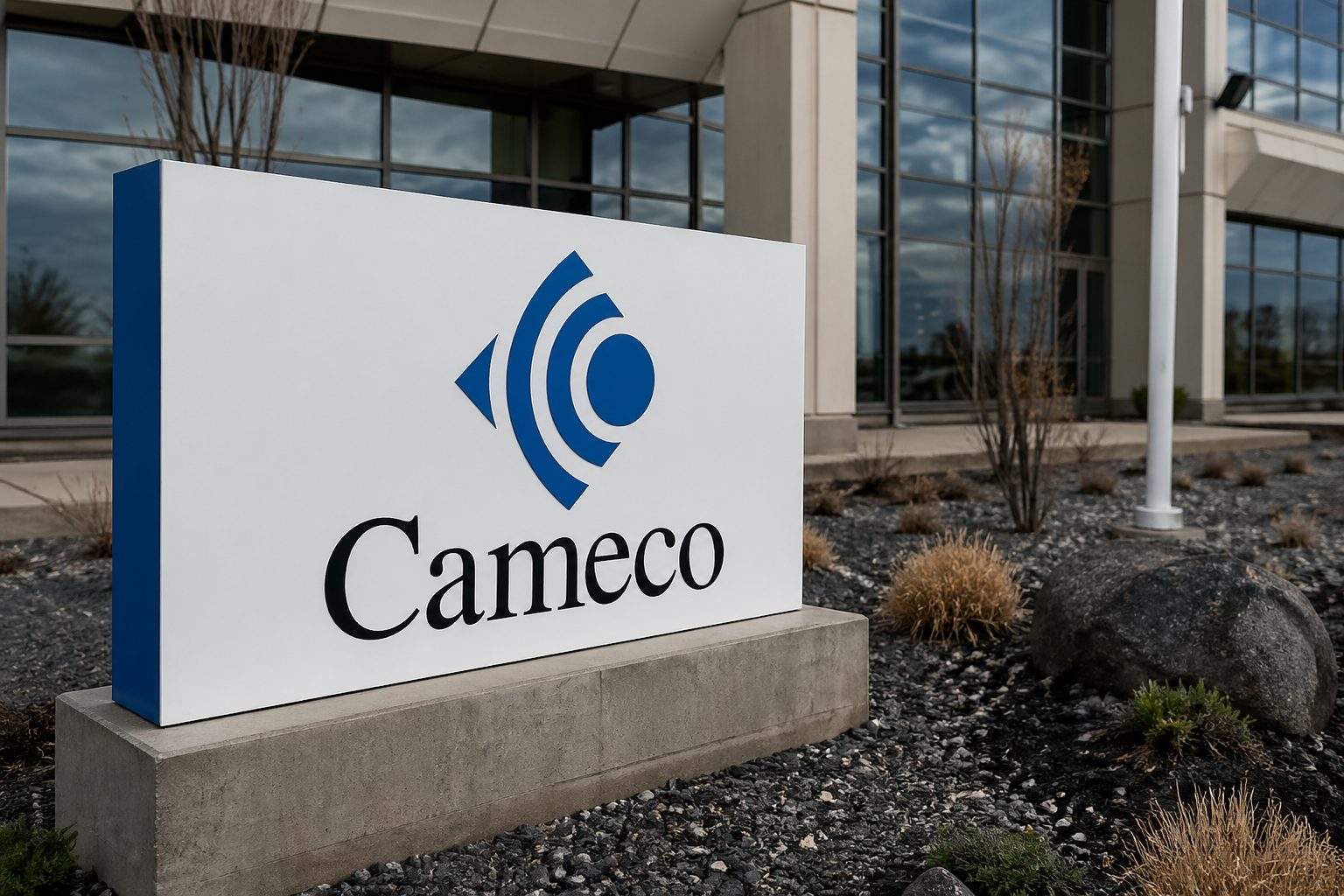
Cameco Corp.’s U.S. shares slipped on Friday, taking some steam out of a strong run-up earlier in the week and shifting attention toward its upcoming earnings report. The NYSE-traded stock ended at $122.15, down $1.70. On the Toronto exchange, Cameco finished at C$167.02, a drop of C$2.45.
Timing’s key here. Cameco plans to report first-quarter results ahead of the market open on May 5, with executives set for an 8:00 a.m. Eastern call to talk through market trends and how the company’s strategy is being executed.
The update comes as investors push to see if the nuclear-power play translates into reliable earnings, not just a rising stock chart. Unlike crude oil or copper, uranium doesn’t have an open exchange; transactions happen privately, so it’s the details—contract dates, how much is shipped, and what price gets locked in—that often outweigh whatever’s flashing in the spot market.
Cameco spans a broader stretch of the nuclear fuel chain than many of its mining peers. The company’s operations cover uranium mining and sales, along with fuel services like refining and conversion. It also has an equity-accounted interest in Westinghouse, the reactor technology and services firm.
Friday’s drop wasn’t unique to Cameco. Shares of NexGen Energy shed 2.5%, Uranium Energy slipped 6.2%, and Denison Mines lost 3.1% in U.S. trading. The pullback hit uranium stocks across the board, not just one name.
The May call leans on the company’s recent annual report. Cameco logged production of 21.0 million pounds of uranium on its share for 2025, with deliveries hitting 33.0 million pounds. The miner pointed to roughly 230 million pounds locked in via long-term delivery commitments, translating to about 28 million pounds per year through the next five years. Fuel services contracts? They stretch across 83 million kgU of UF6—uranium hexafluoride—used ahead of enrichment in the nuclear fuel cycle.
Tim Gitzel, the chief executive, hasn’t been one to guarantee output just to make the numbers look good. Back in February, Cameco cited his words: the company doesn’t “chase volume for volume’s sake.” That’s especially relevant now, with prices climbing and demand picking up—conditions that could push some producers to ramp up too quickly.
Westinghouse remains in focus for investors. Cameco holds a 49% beneficial stake, Brookfield has the other 51%. According to Cameco, Westinghouse handles everything from designing and supplying nuclear fuel to providing services and equipment for reactors—including new-builds.
Bulls still have plenty to point to, but there are strings attached. On Monday, William Blair’s Jed Dorsheimer kicked off coverage with an Outperform, arguing that Cameco gives investors access to the whole nuclear value chain, “from ore to core.” He’s modeling C$1.34 in EPS for 2026 and C$2.26 for 2027. William Blair noted it is a market maker in Cameco shares and may pursue investment-banking fees from Cameco or its affiliates. William Blair
Expect the May 5 call to focus on straightforward topics: uranium delivery schedules, actual prices achieved, how the mines are running, margins in fuel services, and the impact from Westinghouse. Cameco’s adjusted EBITDA strips out interest, taxes, depreciation, amortization, plus other adjustments for what it considers non-core items.
Still, the downside case lingers. Cameco flags various risks: uranium market imbalances, uncertainty around long-term contracts and pricing, potential for production hiccups, ongoing global supply-chain snags, plus political risk, tariffs, and sanctions. The company also cautions that Westinghouse might fall short on anticipated project gains or U.S. government-backed initiatives.
Right now, the stock presents investors with a more straightforward dilemma than it did at the start of the week: does Cameco’s contract portfolio and its Westinghouse stake warrant the rally, or is Friday’s drop a sign the market wants clearer figures before rewarding the shares again?