
Washington, April 26, 2026, 09:01 EDT
- Lockheed Martin landed a spot among those chosen for U.S. Space Force prototype efforts related to Golden Dome.
- The awards follow a softer quarter, as profit and cash flow took a hit from production setbacks and fixed-price charges.
- SpaceX, Northrop Grumman, and Anduril are among several others vying for the same prize.
Lockheed Martin Corporation now joins the latest wave of Washington’s Golden Dome missile-defense initiative. The U.S. Space Force has listed the company among those eligible for prototype contracts totaling up to $3.2 billion. The project focuses on developing space-based interceptors—orbital weapons meant to target missiles earlier in their flight—with a first demonstration set for 2028.
Timing is crucial here. Lockheed wants to turn robust demand for its missiles, aircraft, and space systems into more consistent profits, especially after first-quarter earnings took a hit from production setbacks and contract overruns. Those Space Force awards add more names to the field—SpaceX, Northrop Grumman, and Anduril—giving the Pentagon extra flexibility to juggle suppliers as the contract moves from drawing board to actual hardware.
U.S. markets didn’t open Sunday. Lockheed shares finished Friday at $513.45, down 3.08%, as investors continued digesting a quarterly report highlighting weaker aeronautics and cash flow figures.
Space Systems Command handed out 20 Other Transaction Authority agreements to a dozen firms. OTAs let the Pentagon sidestep the usual procurement process—speeding things up and opening the door to suppliers outside the defense establishment. “Acquisition strategies must move even faster,” Col. Bryon McClain, program executive officer for Space Combat Power, said, pointing to increasingly nimble missile threats. SSC
Golden Dome’s expected price tag lands at roughly $185 billion, with plans to bolster current ground-based missile defenses by incorporating space systems, Reuters reported. The Space Force, for its part, has said it wants the interceptor program folded into the broader Golden Dome setup by 2028. Technical specifics, though, remain scarce—the service is holding those details back for operational security reasons.
Lockheed’s most recent numbers highlight why the new award is a plus, but not a cure-all for investors. First-quarter sales landed at $18.0 billion, with net earnings at $1.5 billion. Free cash flow, after capital outlays, came in at negative $291 million. The company stuck to its 2026 guidance.
Lockheed CEO Jim Taiclet said the company has reached framework agreements aimed at ramping up munitions output, covering advanced Patriot missiles, THAAD, and PrSM. According to Taiclet, these deals could boost production to “3-4 times current rates”—a significant goal as the Pentagon leans on defense firms to turn out hardware faster, not just lock in larger contracts. Media – Lockheed Martin
Still, the main challenge comes down to execution. According to Reuters, Lockheed’s quarterly profit took a hit from expensive fixed-price contracts and slower production. Delays on the F-16 program and problems sourcing C-130 parts dragged on the company’s aeronautics unit. With fixed-price deals, when supplier costs rise beyond projections, margins get squeezed.
Lockheed skipped buybacks this quarter, responding to pressure from Washington to channel funds into boosting production. “We aren’t surprised,” said JPMorgan’s Seth Seifman, who pointed to management’s push to stay in step with what customers want. Reuters
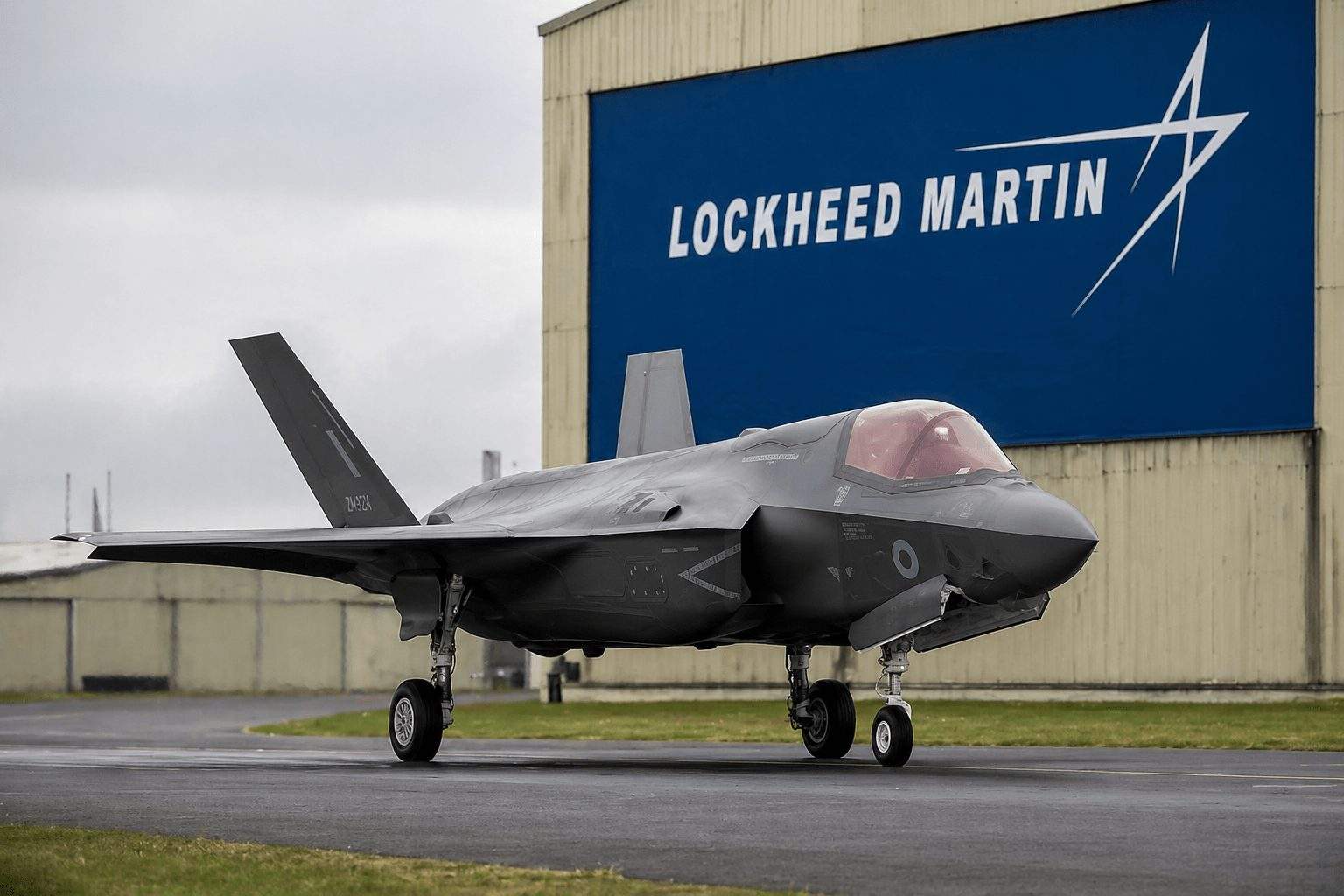
Policy tailwinds look strong. Reuters reported the Trump administration’s fiscal 2027 defense budget calls for boosting F-35 purchases to 85 jets per year and lists Golden Dome as a “presidential priority.” That positions Lockheed to benefit from both missile defense and fighter sales—even as it deals with lingering delays in some legacy programs. Reuters
The upside isn’t locked in yet. Golden Dome is in a prototype sprint, and future contracts might end up with competitors if their solutions outperform or undercut on price. Lockheed’s challenge now is straightforward: show it can deliver what Washington wants, on schedule and without squeezing margins.
Related articles: NYSE:LMT