
New York, April 27, 2026, 12:04 EDT
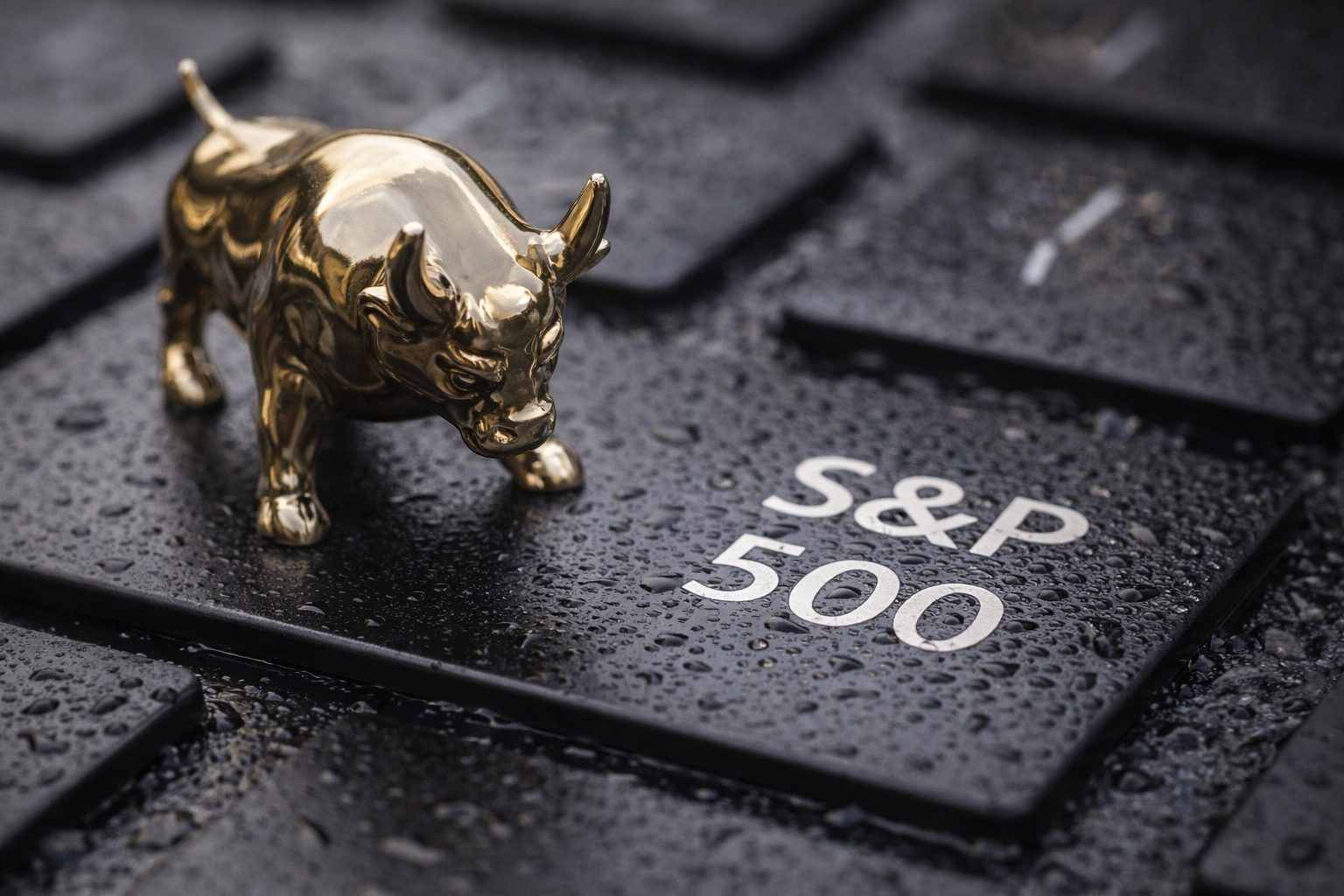
Stocks in the U.S. edged lower Monday, pulling back after last week’s run to record highs and a sharp rally through April. Oil prices ticked up. Investors mostly hesitated ahead of a packed week featuring earnings from the big tech names and the upcoming Fed decision. By 11:04 a.m. ET, the S&P 500 had slipped 0.17% to 7,153.03. “The market was trying to hold on to its gains,” noted Phil Blancato, chief market strategist at Osaic Wealth, as traders waited for fresh data. Reuters
Time’s running down. As of Friday, the S&P 500 had surged about 13% since March 30. The Nasdaq pushed even further, jumping over 19%. Those gains turned initial Middle East nerves into fresh market highs—no sign of any extended slide.
Now, the spotlight’s squarely on earnings. According to Yahoo Finance, last month’s surge created a risk: expectations for profit growth may be too high. FactSet’s April 24 data shows 28% of S&P 500 companies have reported first-quarter results so far, with 84% topping EPS estimates. That same group calculates a forward 12-month P/E for the index at 20.9—a price tag built on anticipated earnings.
This week, nearly 44% of the S&P 500’s market cap gets on deck to report earnings, Reuters’ Mike Dolan notes. Microsoft, Meta Platforms, Apple, Alphabet, and Amazon are all coming up. Investors zero in on what these big names say about capital spending—especially with doubts about whether AI demand continues to justify the outsized bets on chips, data centers, and cloud.
Chip stocks took the wheel this day. Intel soared 23.65% on Friday after projecting stronger revenue. The Philadelphia semiconductor index logged its 18th straight advance. AMD and Arm both leapt about 14%. Nvidia, for its part, set a fresh record at the close.
Milton Berg, head of Milton Berg Advisors, stays unapologetically bullish. “There’s no reason at all to doubt this rally,” he told MarketWatch. His current read: the S&P 500 has a shot at reaching 7,639.69 within a year, and the median number—8,499—comes straight from his models, per a Dow Jones/MarketWatch report that also appeared via Tiger Brokers. Tiger Brokers
Ben Carlson over at A Wealth of Common Sense took a similar stance in a Sunday post, noting the S&P 500’s 15% annual returns throughout the 2020s despite the pandemic crash, 9% inflation, rising rates, a tough bond market, and this year’s war-fueled drop. He called the surge “the greatest American bull market of all-time.” A Wealth of Common Sense
The oil shock is front and center here. Brent crude climbed 2.1%, reaching $107.49 a barrel at 10:01 a.m. EDT. U.S.-Iran peace talks have stalled, and flows through the Strait of Hormuz are tight. According to Tamas Varga of PVM Oil Associates, between 10 and 13 million barrels a day are effectively missing from the global market.
If it goes that way, earnings—the main force behind the rally—could take a blow. Goldman Sachs analysts, including Daan Struyven, pointed out that economic risks are bigger than their straightforward crude outlook implies, mentioning refined product costs, tight supplies, and what they described as the “unprecedented scale of the shock.” Higher fuel prices are hitting consumers, squeezing airlines and industrials, and lifting inflation expectations all at once. Reuters
Schwab’s not convinced this rally has legs yet. Joe Mazzola, head of trading and derivatives strategy at Charles Schwab, is watching closely to see if gains start spreading past the giant tech stocks, if earnings actually match the upbeat mood, and whether companies can hold up with rates where they are. Nathan Peterson, his colleague at Schwab, flagged the risk of a “sell on the news” move if stocks keep climbing—investors might decide to lock in profits as soon as positive headlines land. TheStreet
Eyes turn back to the Fed this Wednesday, with policymakers seen holding rates steady, the Associated Press reports. The S&P 500 keeps its upward tilt, but after April’s sharp rally, the path ahead looks thinner—slips in earnings or a fresh surge in oil could hit harder now.
Related articles: NASDAQ:META






![Australia Stock Market Today 28/08/2026 [UPDATE: 10:37 AEST] [ASX Rebounds as Tech and Energy Offset Bank Weakness]](https://ts2.tech/wp-content/uploads/2026/08/AU-market-dashboard-2026-08-28-1034-480x384.jpg "Australia Stock Market Today 28/08/2026 [UPDATE: 10:37 AEST] [ASX Rebounds as Tech and Energy Offset Bank Weakness]")