
Jakarta, May 3, 2026, 01:07 WIB
- Indonesia has slashed the commission ceiling for ride-hailing apps to 8%, a steep drop from the previous 20%. The move puts immediate pressure on the fee structures of both Grab Holdings Limited and GoTo’s Gojek.
- The rule arrives days ahead of Grab’s first-quarter earnings, which come out after U.S. markets shut on May 4.
- What’s still unclear: when changes might kick in, how broad they’ll be, and if platforms plan to make up lost fee revenue through fares, incentives, or extra charges.
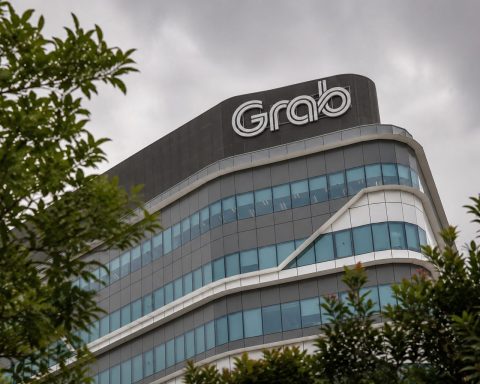
Just ahead of its earnings release, Grab Holdings Limited is facing new pressure from Jakarta. President Prabowo Subianto said on May 1 he’d signed a presidential regulation slashing the maximum commission ride-hailing platforms can take—from 20% down to 8%. That’s a dramatic adjustment to the way each ride pays out.
Timing’s tight. Grab will release its unaudited first-quarter 2026 numbers after the U.S. market wraps up on May 4. Executives plan to take investor questions at 8 a.m. in Singapore on May 5. That leaves barely any window for the company to address Indonesia’s new rule before analysts start grilling them about margins, pricing, and driver incentives.
A commission is what the platform takes from each fare before drivers see their cut. Now, drivers are set to get a minimum of 92% of fares—up from the old rate, which hovered around 80%. There’s more: platforms are also required to offer accident and health coverage, according to state news agency Antara.
Grab Indonesia is looking over the new rule and waiting for it to be officially issued. Neneng Goenadi, the company’s chief executive, described the change to the commission structure as a “fundamental shift.” She said rolling it out needs to balance protection for driver-partners with affordability for riders and long-term industry sustainability. Jakarta Globe
GoTo, which counts Gojek as Grab’s chief competitor in Indonesia’s ride-hailing scene, said it will comply with the new rules and take time to assess what they mean for its operations and finances. CEO Hans Patuwo added that GoTo remains in talks with the government, aiming to ensure Gojek keeps supporting both drivers and customers sustainably.
GoTo just landed its first quarterly net profit since Gojek and Tokopedia merged back in 2021, raising the competitive stakes. The Indonesian company posted a 26% year-on-year jump in first-quarter net revenue, hitting 5.3 trillion rupiah—a gain driven by tighter cost controls and improved revenue growth.
Grab shares changed hands at $3.67, sliding roughly 3.9% from their previous finish, with trading volume approaching 99.8 million, according to market data. Morgan Stanley reiterated its Overweight call and $6.40 target for Grab in the wake of the Indonesia news, pointing out that the country represents 17% to 19% of Mobility GMV — that’s the value of ride-hailing bookings — and contributes about 20% of total EBITDA, which excludes interest, taxes, depreciation and amortization.
But there’s a snag. It’s still not clear when the cap takes effect, if it applies to four-wheel vehicles, or how it could shake up platform pricing and incentives, according to Investing.com, which referenced Morgan Stanley. Pushing fares up might hurt demand, but if platforms eat the difference, margins could get squeezed.
Grab started the year showing off better numbers, but there’s little tolerance for any regulatory hiccups. For 2025, the company logged $3.37 billion in revenue, up 20%, booked $200 million in profit and posted $500 million in adjusted EBITDA. Looking ahead, guidance for 2026 calls for revenue between $4.04 billion and $4.10 billion, and adjusted EBITDA in the $700 million to $720 million range.
Grab has been counting on cheaper offerings to attract price-sensitive customers. Back in February, Chief Financial Officer Peter Oey told Reuters the firm intends to “make our rides affordable.” Oey also pointed out a strategy shift: groceries are now the focus, with growth outpacing food delivery. Reuters
Grab brands itself as a Southeast Asian superapp—a platform that covers everything from ride-hailing and food delivery to groceries, parcels, payments, lending, and insurance. The company’s reach stretches over 900 cities in eight Southeast Asian nations, among them Indonesia, Malaysia, Singapore, Thailand, Vietnam, and the Philippines.
Investors now face a different question: not if Grab can comply, but what the compliance bill will be. Expect the May 4 earnings call to zero in on three things—just how quickly Indonesia moves to enforce the cap, whether Grab manages to raise fares without driving away riders, and if the company’s 2026 profit goals are still in play.
Related articles: NASDAQ:GRAB