
MILWAUKEE, May 2, 2026, 14:04 CDT
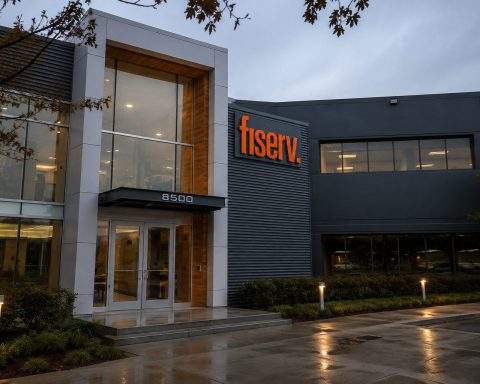
Fiserv is now part of the x402 Foundation, the payments giant said Friday, joining a Linux Foundation project that’s working on an open standard for automated payments online. This brings Fiserv—a key technology supplier for banks and merchants—into a protocol developed by Coinbase, which targets payments made through apps, APIs, and AI agents.
Timing is key here. Fiserv will release its first-quarter numbers before markets open on May 5. Then, just over a week later, executives will head to New York for an investor day on May 14—management has promised to share more on both strategy and the medium-term view.
Fiserv is projected to report adjusted quarterly earnings of $1.57 per share, based on analyst estimates compiled by Public.com. Shares finished Friday at $62.14, slipping 0.81%, MarketBeat data show. Investors are now juggling the company’s latest payments-standard initiative with immediate concerns around growth, margin pressure, and delivery.
x402, an open-source payment standard aimed squarely at internet-native, machine-to-machine transactions, is built for use cases where software systems pay each other directly. According to the Linux Foundation, x402 focuses on autonomous commerce and stablecoins—digital tokens pegged to currencies like the dollar.
Sanjay Saraf, chief product officer at Fiserv Merchant Solutions, called x402 an “open, interoperable foundation”—a necessary step, he said, as automation ramps up in commerce. The Linux Foundation named Visa, Mastercard, and Stripe as early industry participants, putting Fiserv in the mix with payments giants in a brewing standards contest that could define how AI-powered transactions flow online. “The internet was built on ‘open protocols,’” noted Jim Zemlin, chief executive of the Linux Foundation. Linux Foundation
Fiserv dropped its update in the middle of what’s shaping up as a rebuilding year. Back in February, the company laid out a forecast for 2026, projecting organic revenue growth between 1% and 3% and adjusted earnings per share ranging from $8.00 to $8.30. That’s after adjusted EPS slid 21% in the fourth quarter and dipped 2% over the full year. CFO Paul Todd pointed to “disciplined investment and efficiency” as reasons behind the guidance. Fiserv, Inc.
Back in February, Reuters noted Fiserv was bracing for a tough first half, with hopes for adjusted revenue and margin improvement later this year. Chief Executive Mike Lyons described the recovery as a “multi-quarter path.” Meanwhile, Morningstar’s Brett Horn pointed to a “difficult near term” for Fiserv, though he saw potential for “modest growth” on the other side of the reset. Reuters
On April 30, the company said Yakima Federal Savings and Loan had rolled out Fiserv’s CashFlow Central within its Experience Digital platform, targeting small and midsize business clients. The service links accounts payable and receivable—the money a business owes and is owed—into a single digital platform. Melanie Kimm, an executive at Yakima Federal, noted that clients have been asking for “simpler, more connected ways” to handle their finances. Fiserv, Inc.
Still, Fiserv probably won’t see an immediate boost from the x402 initiative. The foundation remains in its early days, aiming to appoint a governing board in the next few weeks. Key hurdles remain—merchants, banks, and software providers have yet to agree on compliance standards, fraud measures, or payment infrastructure before x402 can scale.
The immediate challenge, then, is straightforward. Fiserv has its AI payments pitch and touts open standards, but on May 5, what investors mainly want to see is whether the core businesses—merchant and financial-institution—are steadying. Management also faces pressure to convince the market that its 2026 reset is a genuine strategy, not just a response to trouble.