
BALTIMORE, May 2, 2026, 16:03 EDT
Constellation Energy Corp shareholders shot down a proposal calling for a board review of the financial risks and returns tied to the company’s diversity, equity and inclusion (DEI) programs, with 251.5 million votes against and just 3.0 million in favor. Investors signed off on all management-backed measures: all 11 board members, executive compensation, and PricewaterhouseCoopers LLP as auditor, according to a May 1 Form 8-K.
This vote comes just ahead of Constellation’s next earnings report, set for May 11. Investors are expected to push for clarity on the Calpine integration, shifts in power prices, and trends in demand from big customers. The company plans to hold its first-quarter 2026 call at 10 a.m. ET that morning.
This comes as U.S. utilities look to translate demand from artificial intelligence and data centers into reliable profit streams. Back in March, Reuters noted that Constellation mapped out $3.9 billion in capital expenditures, bumped its share buyback ceiling to $5 billion, and put out a 2026 adjusted earnings forecast of $11 to $12 per share.
Demand’s holding up for Constellation, thanks to the broader sector tailwind. Dominion Energy, with its deep roots in Virginia’s data-center market, topped Wall Street’s Q1 profit forecasts Friday and reported almost 51 gigawatts of contracted data-center capacity at the end of March.
The proposal, put forward by the National Center for Public Policy Research, didn’t make it through, according to Constellation’s proxy. The group wanted the board to release a report detailing if DEI programs undergo net-present-value and ROI analysis—tools that weigh today’s spend against future gains—and to disclose any related legal or reputational risks. But Constellation’s board wasn’t on board; they called the report redundant and a resource drain.
Management proposals saw wider margins. The say-on-pay item cleared easily, picking up 241.6 million votes in favor and 13.6 million opposed. Shareholders also backed PwC’s ratification, with 285.3 million votes supporting and just 1.4 million votes dissenting.
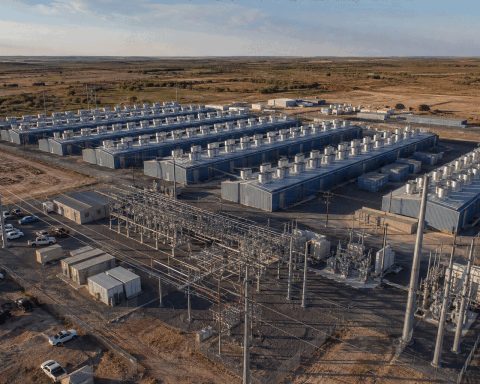
Back in January, Constellation finalized its purchase of Calpine, snapping up natural gas and geothermal operations to layer on top of its nuclear portfolio, and declared itself the nation’s biggest electricity producer. “Constellation is stepping up to power America’s growth when our nation’s demand for energy is surging,” Chief Executive Joe Dominguez said at the time. The company, however, flagged potential headaches with the merger process, warning that delays in integration, weaker-than-expected synergies, or other uncertainties could push actual results off target. Constellation
With U.S. equity markets closed for the weekend at the dateline, Constellation shares ended their last session at $307.81, a 1.7% drop from the prior close. That puts the company’s market cap near $96.1 billion.
With the shareholder vote out of the way, the board has one less governance hurdle. Now comes the real challenge: proving that a bigger fleet will actually convert surging data-center demand and tight power markets into profit. Integration costs, fuel volatility, and regulatory pressures remain wild cards that could still complicate the outlook.
Related articles: Stock Market