
NEW YORK, May 3, 2026, 14:03 EDT
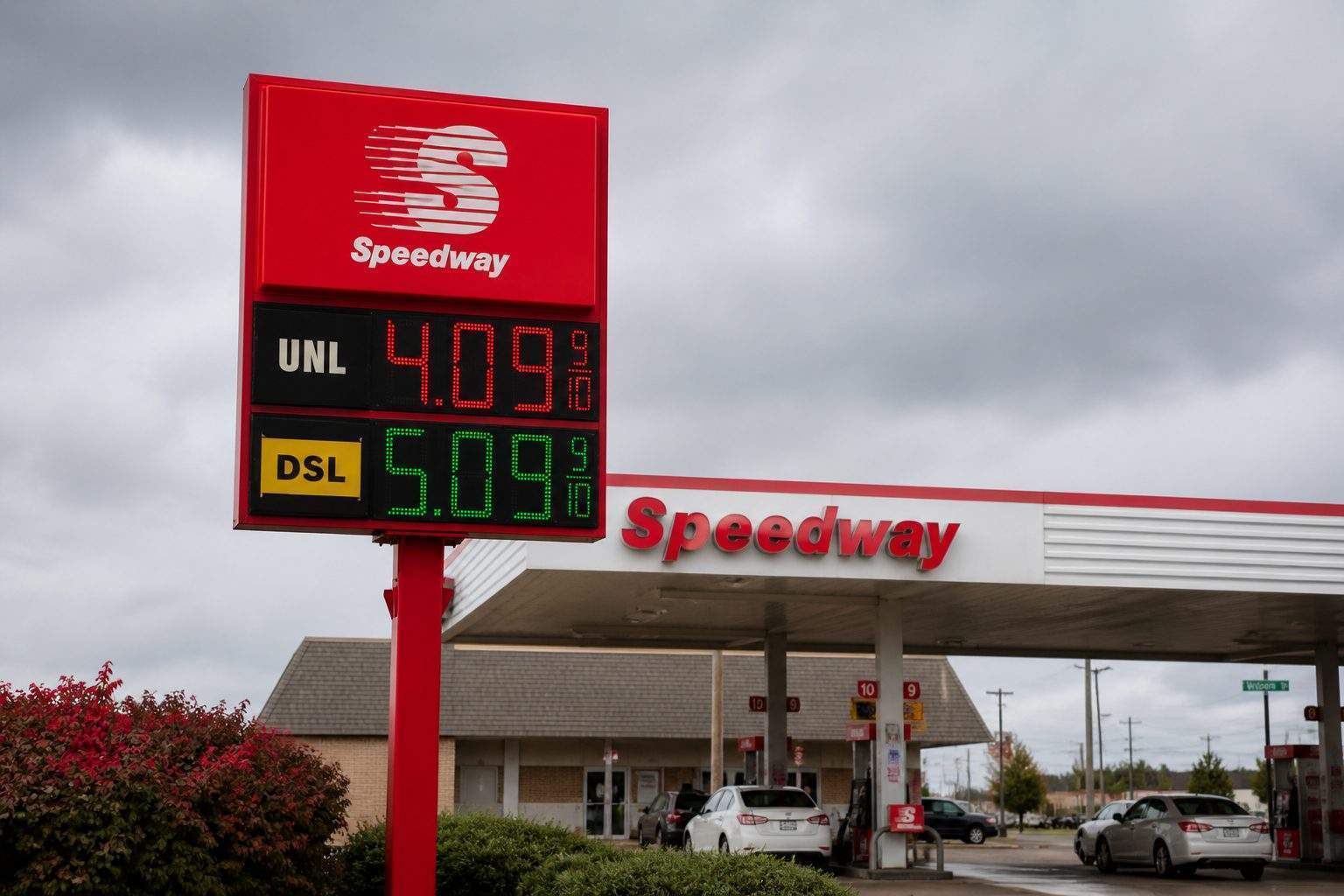
Regular gasoline climbed to $4.446 a gallon across the U.S. on Sunday, according to AAA, following a bumpy spring for oil and fuel. That marks an increase of roughly 35 cents from the previous week and $1.275 more than this time last year, making electric vehicles more relevant again for family budgets.
The surge comes right as U.S. electric-vehicle sales look for footing after tumbling in the first quarter, shifting the EV conversation from tech gamble to a question of monthly expenses. EV sales dropped 27% year-over-year in the first quarter, according to Cox Automotive, though more shoppers started browsing as gas prices climbed.
Pressure is cropping up in spots that rarely grab attention for fuel prices. In Delta, Ohio, a pair of travel centers off State Route 109 dropped gas to $2.63 a gallon for a short stretch—cars lined up out to the street. But by Friday evening, both had switched course, jacking prices to $4.79. “I thought I was hallucinating,” one driver told WTVG. https://www.13abc.com
AAA reported last week that prices bounced back following almost two straight weeks of losses, as oil climbed above $100 a barrel with no sign yet of when the Strait of Hormuz might reopen. The group pegged the average public EV charging price at 41 cents per kilowatt-hour, a penny more than the previous week.
The debate over EVs now hinges less on their environmental impact and more on their financial sense. Yahoo News senior editor Mike Bebernes noted on May 1 that climbing fuel prices have pushed up the daily expense of owning a gas-powered vehicle. This time, though, drivers don’t have to just weather fluctuating gas prices—they have another option.
Electric vehicles, or EVs, run on batteries and electric motors instead of relying solely on gasoline. Drivers skip gas stations, but that comes with a catch—there’s the higher upfront cost, the need for charging infrastructure, and, for some families, longer waits to recharge during road trips.
The price difference on the lot keeps shrinking. According to Kelley Blue Book, buyers shelled out an average of $54,508 for a new EV in March, a 2.8% drop from the same month last year. The price gap versus gasoline and hybrid models? Now around $5,800—tightest spread they’ve recorded. EVs came with average discounts of 14.6%, or almost $8,000 off the sticker.
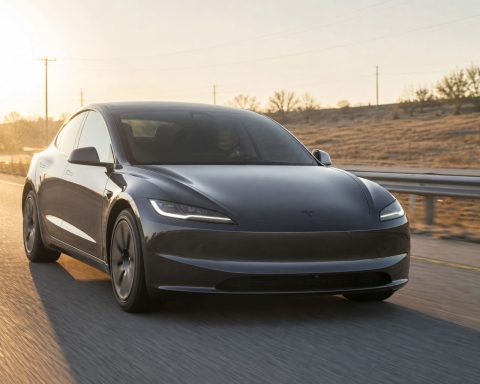
Tesla still sets the pace for electric cars in the U.S. According to Cox, the Model Y alone accounted for a third of all EVs sold during the first quarter. Toyota, starting from a lower base, managed to notch some year-over-year gains in EV sales.
“Gas prices don’t translate to sales immediately, but it definitely translates into consideration,” said Stephanie Valdez Streaty, director of industry insights at Cox Automotive, speaking at an Electrification Coalition event, Spectrum News reported. Through March, interest in new EVs climbed 16% from the fourth quarter, while used-EV interest spiked 30% just in March. Spectrum Local News
Costa Rica stands out for its policy-driven approach to electrification beyond the big auto markets. The International Energy Agency puts the country’s electric-car sales share at roughly 15% in 2024. Tax breaks have played a role, and an influx of cheaper Chinese models has widened options for buyers across Latin America.
But expensive gas isn’t enough to turn EVs into an easy sell. Sticker shock still puts them out of reach for many buyers, and automakers have trimmed or pushed back electric lineups, leaving the U.S. with fewer options than once projected. “We’re losing a lot of models,” said Loren McDonald, chief analyst at EV charging firm Chargeonomics, speaking to Spectrum News. Spectrum Local News
There’s risk on either side. Should oil prices slip, shoppers might feel less pressure to hunt for EVs. On the flip side, persistently high gasoline could send buyers toward used EVs, hybrids, or budget-friendly gas cars—without making the leap to a new electric vehicle. Right now, it’s the price at the pump, not policy, that’s putting household budgets to the test.
Related articles: Stock Market