New York, May 4, 2026, 18:01 EDT
- Oil prices surged, while U.S. stocks dropped after new attacks in the Strait of Hormuz put energy risk front and center for markets.
- UBS flagged a risk: investors could be seeing the supply shock as just a crude short squeeze, rather than a sustained threat to growth and earnings.
- AI stocks have another hurdle: OpenAI’s IPO timing looks even shakier, while Anthropic is making headway.
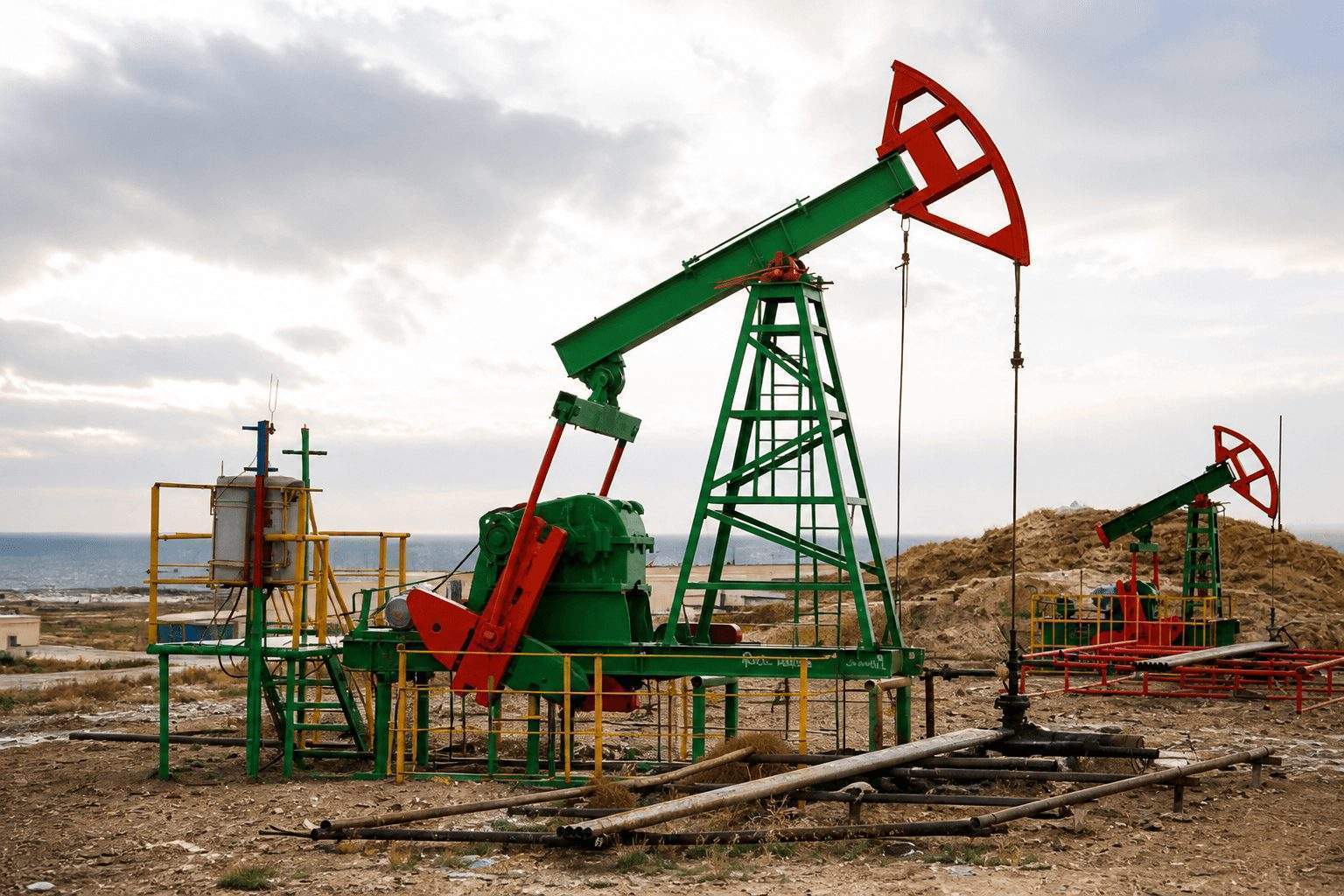
Monday turned up the heat on Wall Street’s oil worries. Crude prices shot higher, pulling the S&P 500 down from its record highs. The Cboe Volatility Index pushed upward, after violence near the Strait of Hormuz struck vessels and an oil facility in the UAE.
The timing matters. Investors came out of late April betting on solid earnings, heavy AI investment, quieter markets. Now, an unexpected jump in oil prices stirs up fresh inflation worries, puts pressure on company margins and complicates things for central banks—right as equities hover near their peaks.
Brent crude jumped 5.8% to finish at $114.44 a barrel. U.S. West Texas Intermediate added 4.4%, closing at $106.42. Reuters cited increased Iranian attacks on the UAE and Gulf shipping as a driver. Previously, the Strait of Hormuz accounted for roughly 20% of worldwide oil and LNG traffic, ahead of U.S. and Israeli strikes on Iran on Feb. 28.
The S&P 500 slipped 0.41%, while the Nasdaq dipped 0.19%. The Dow dropped further, down 1.13%. Out of the 11 S&P 500 sectors, just energy managed to buck the trend, climbing 0.85%, according to Reuters. “Not a lot of room for error,” remarked Ross Mayfield, investment strategist at Baird Private Wealth Management. Reuters
The VIX—Wall Street’s so-called fear gauge tracking S&P 500 volatility—landed at 18.29 on May 4, according to Cboe, up 7.65% on the day. MarketScreener, pulling from MT Newswires, flagged a sharper 10% rise in early trading, with traders citing fears of a possible Iranian response to U.S. moves to steer vessels clear of Hormuz.
UBS strategists, with Artour Danilov at the helm, argued global equities weren’t fully factoring in the economic fallout from the oil supply jolt. They put this disruption in the same league as the “largest oil supply shocks on record” and warned that markets seemed to be brushing aside “second-round effects”— the ripple damage to growth, company earnings, and the wiggle room for policymakers that typically follows the initial price surge. Investing.com
UBS, in its base scenario, sees global oil supply not getting back to January levels until late this year. Real oil prices, they figure, will stick 30% to 40% above pre-disruption levels for roughly half a year, then start to come down. If things go worse—production only makes it halfway back over twelve months—Europe could feel the brunt, with pricier energy functioning as a de facto tax on families and businesses.
Oil’s surge is intersecting with the AI trade in ways that are hard to ignore. In a Smart Investor note, Morningstar pointed to energy stocks out front in the latest rally, spurred by the Iran war’s stalemate and another jump in oil prices. Still, the appetite for AI-linked “picks and shovels” remains undiminished—Microsoft, Meta, Corning, Texas Instruments, and NextEra are all riding demand from the data-center boom. Milled
OpenAI’s path to an IPO just got bumpier. Morningstar Canada, drawing on PitchBook analysis by Harrison Rolfes, reported the probability of an OpenAI debut in public markets now looks more like mid-to-late 2027 than late 2026. Reasons: revenue targets missed, inflexible infrastructure costs, and rising pressure from competitors like Anthropic and Databricks.
The Wall Street Journal has reported, via Reuters, that OpenAI has missed its latest user and revenue targets after ceding market share to Anthropic in both coding and enterprise segments. Despite the pressures, CEO Sam Altman and CFO Sarah Friar pushed back on talk of internal discord, insisting they’re “totally aligned” on plans to ramp up compute purchasing. Reuters
In a Bloomberg interview, Friar countered, saying OpenAI was hitting its targets and facing what she called a “vertical wall of demand” for its products. She described the business as still young, with some metrics hard to predict. Compute capacity, not demand, was usually the bottleneck, she added. Bloomberg
Competition keeps heating up. Anthropic is close to sealing a roughly $1.5 billion joint venture with Blackstone, Goldman Sachs, and several other Wall Street players, aiming to sell AI products to private-equity-backed firms, the Wall Street Journal said, per Reuters. For investors, that puts a real-time gauge on enterprise AI appetite, especially with OpenAI’s IPO timeline still up in the air.
Still, it’s not a one-way bet. If Hormuz reopens sooner, or OPEC+ – that’s the Organization of the Petroleum Exporting Countries and its partners – brings more barrels online, or geopolitical tensions ease, crude might run into a ceiling and energy stocks could lose steam. Without those breaks, though, the risk morphs: the story moves from market jitters to a longer drag on earnings, with pricier fuel, stubborn inflation, and tighter space for rate cuts.