
NORTH READING, Mass., May 8, 2026, 11:05 (EDT)
- Teradyne set its quarterly cash dividend at 13 cents, with payment scheduled for June 12.
- Shares climbed Friday morning, tacking on more gains after a choppy stretch that followed record first-quarter results.
- Investors are eyeing the durability of AI-related chip-testing demand past the first half.
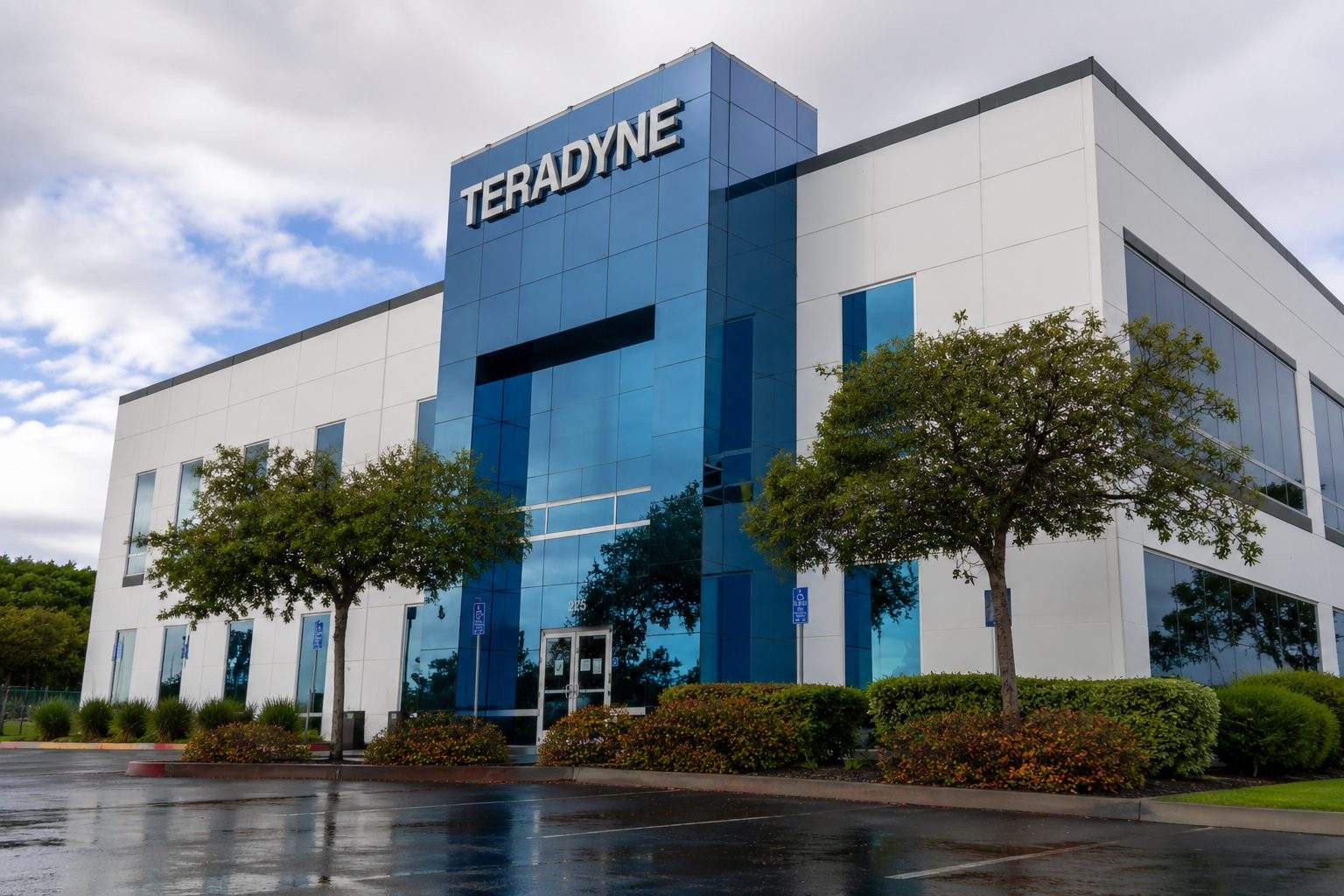
Teradyne shares climbed Friday, lifted by news of a quarterly cash dividend. The automated test-equipment maker’s move offers investors a cash payout as they weigh how durable Teradyne’s AI-fueled growth might be. By late morning, the stock traded at $360.65, up 1.8%. Keysight Technologies and Cohu, both rivals in test equipment, were also higher.
The dividend is minor, but the moment matters. Teradyne just logged its best-ever first quarter, as AI system demand sent revenue surging. That’s now putting the spotlight on whether its chip-testing unit can keep up with spending on AI data centers.
Teradyne announced it will pay a dividend of $0.13 per share on June 12 to shareholders who are on record as of the close on May 21.
First-quarter revenue landed at $1.282 billion, an 87% jump from last year. Of that, $1.111 billion came from Semiconductor Test, with Robotics contributing $91 million and Product Test bringing in $80 million. GAAP net income reached $398.9 million, or $2.53 per diluted share. CEO Greg Smith said roughly 70% of the business was fueled by AI-related demand, citing the company’s “wafer to AI data center strategy” as evidence Teradyne is tapping into multiple segments of the AI hardware supply chain. Teradyne, Inc.
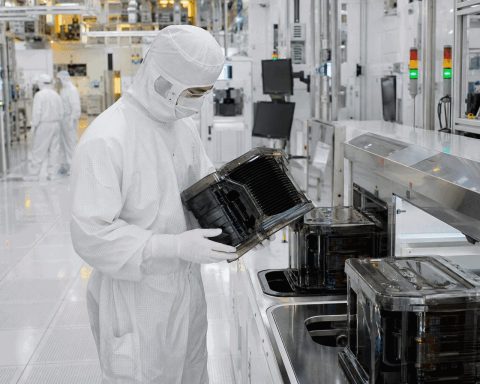
Automated test equipment—ATE for short—checks chips and electronics ahead of final assembly. For Teradyne, demand right now comes from testing processors, memory, and hardware tied to AI server builds.
Investors didn’t stick to a single script here. Teradyne shot up 7.1% Wednesday, ending the session at $382.48—better than Keysight, Cohu, and Fortive that day. Still, shares stayed under the April 24 peak of $422.11.
On May 7, Brendan Burke, research director at Futurum, said AI-fueled compute and memory testing is no longer just a cyclical boost for Teradyne—it’s turned into a lasting tailwind. Still, he flagged risks ahead, pointing out that the pace of customer program conversions and unpredictable order flow could shape the next few quarters as AI data-center construction ramps.
Teradyne has been pushing to expand its robotics arm, still a modest piece of the whole but heavily scrutinized. Teradyne Robotics announced Jean-Pierre Hathout is set to take over as president of Universal Robots on May 6. Kevin Dumas steps in as president of Mobile Industrial Robots, filling Hathout’s previous spot.
The business links into a wider manufacturing effort. Back in April, Flex and Teradyne Robotics announced a deeper partnership spanning twenty years—Flex is rolling out Teradyne robotics in its own factories, and also fabricating essential robotics parts for Teradyne’s clients. “Builds on a strong foundation,” Flex’s Dennis Kirkpatrick said of the move. Teradyne’s Hathout added the companies are pushing to accelerate robotics adoption in manufacturing. Flex Investors
The risks aren’t hard to spot. In its most recent quarterly filing, Teradyne flagged that demand for its test products comes mostly from a handful of big clients. That kind of customer concentration means a few buyers drive much of its business. The company also pointed to tariffs, trade sanctions, import-export rules, and tech-transfer restrictions as hurdles that could impact how it operates; it’s already facing competitive limits in certain regions because of these compliance requirements.
Shareholders at least have a dividend date to pin down. But the bigger issue? After a blowout first quarter, it’s unclear if the AI test cycle has much more room to go.