
SPOKANE VALLEY, Washington, May 13, 2026, 06:01 PDT
Spokane Valley has outlawed virtual-currency kiosks, stepping up from issuing warnings to outright removal as police linked the devices to a sharp uptick in fraud and a suicide. Operators now have 30 days to get rid of the kiosks or risk a $250 fine and potential license trouble. “Those kiosks are a tool to facilitate scams,” Police Chief Dave Ellis said. Spokesman-Review
This isn’t just a local problem. The FBI’s Internet Crime Complaint Center, or IC3, logged 13,460 cryptocurrency ATM or kiosk complaints in 2025, tallying $389 million in losses. That’s a 23% jump in complaints from 2024, and a 58% surge in losses. Of those ATM and kiosk losses where age was recorded, people 60 and up made up $257.5 million.
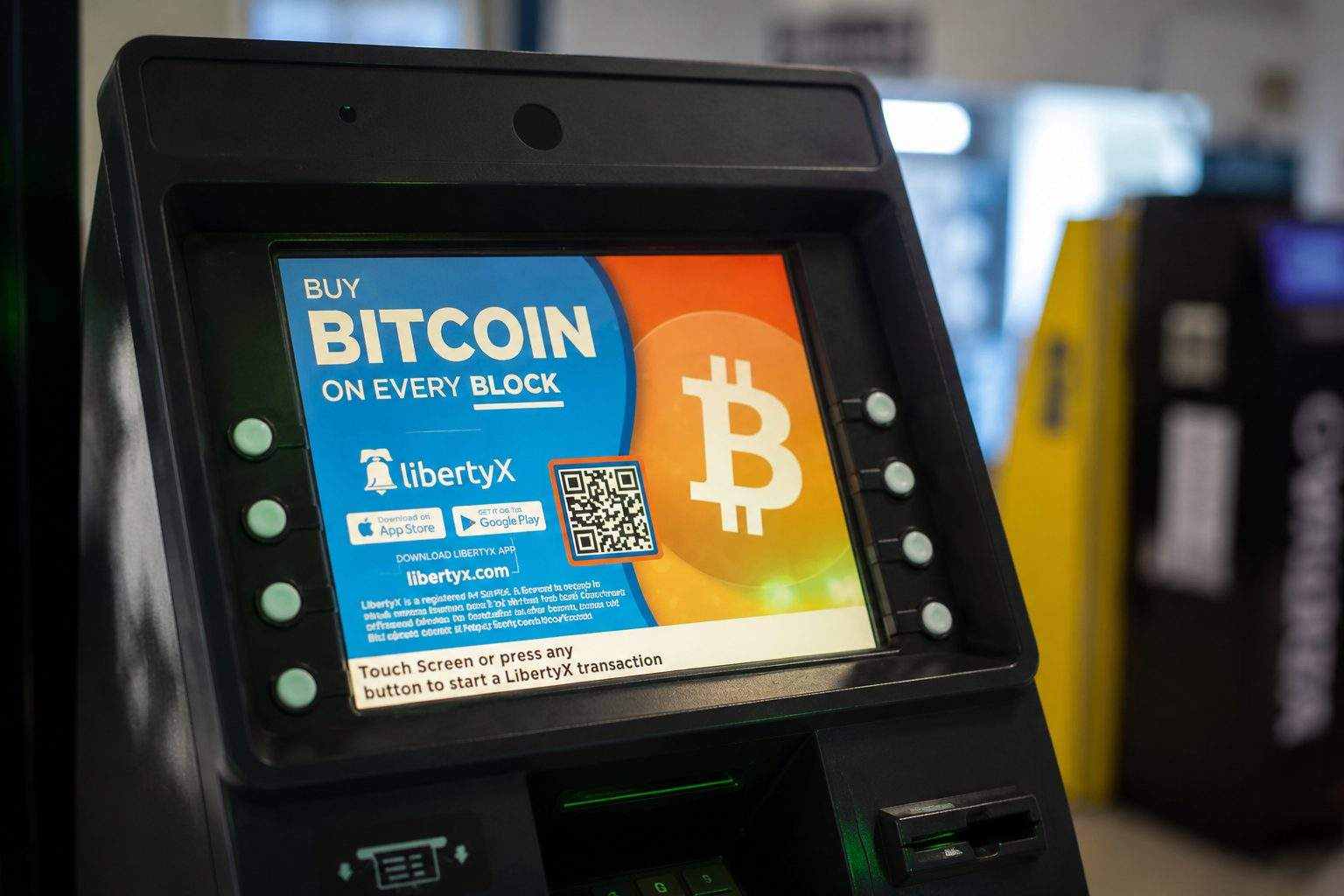
Crypto ATMs—those kiosks turning cash into bitcoin or other digital coins—keep popping up in places like gas stations and corner stores. North Carolina’s Senior Consumer Fraud Task Force has pressed businesses to alert patrons, citing the difficulty of tracking or undoing digital-currency transfers.
AARP Fraud Watch volunteers teamed up with law enforcement in North Carolina’s Triangle this week, making rounds at businesses that have crypto ATMs and pressing owners to put up warning notices. “We like to find business owners like you who want to be part of the solution,” said Steve Hahn with AARP. According to Fuquay-Varina police investigator Bryan Williscroft, once someone trades cash for cryptocurrency, “there’s really little we could do.” ABC11 noted there’s still no state law in North Carolina specifically regulating these ATMs. ABC11 Raleigh-Durham
Minnesota took a bigger step. State records indicate Gov. Tim Walz signed SF3868 into law on May 5, officially Session Law Chapter 65. The state labeled it a “virtual currency kiosks prohibition provision.” Senate backed it 57-10; the House tally came in at 127-7. Minnesota Revisor’s Office
James Glass, retired banker and AARP Minnesota volunteer, recounted in the Minnesota Star Tribune how the state law was prompted by accounts from victims and law enforcement, who said these scams had become widespread and difficult to untangle. One Catholic nun, Glass noted, testified that a scammer steered her into a liquor-store kiosk and persuaded her to feed cash into the machine.
The industry argues bans risk hurting legitimate users and could shut out those lacking access to conventional banks. CoinFlip called on Minnesota to backtrack, pointing to its track record with “thoughtful, consumer-focused legislation” in other states. The Star Tribune noted attorneys general in Iowa and Washington, D.C., have sued Bitcoin Depot, CoinFlip, and Athena Bitcoin over fraud claims—allegations the companies deny. Star Tribune
Legal heat on Athena Bitcoin ramped up in September, when the District of Columbia attorney general filed suit against the company. According to the complaint, 93% of deposits at its bitcoin teller machines in the District were linked to scams, with nearly half flagged to Athena as fraudulent transactions. Victims, the suit claims, had a median age of 71. The attorney general is pursuing restitution and penalties; the allegations have not been proven.
The policy battle is spreading, according to AARP: Indiana led the way, banning the machines in 2026. Tennessee jumped in next. By this year, lawmakers in 30 states had floated crypto-kiosk bills, and as of April, 29 states had these laws on the books. The new rules cover everything from required warnings and limits on transactions to strict licensing and full prohibitions. Even so, AARP notes, legislation isn’t a cure-all—fraudsters will keep trying.
Regulators aren’t sugarcoating it for consumers. The Federal Trade Commission warns: legitimate businesses and government offices won’t ever ask you to pull out cash, send money through a Bitcoin ATM, or buy gift cards as a form of protection. If someone asks you to do any of that, it’s a scam.
Related articles: Cryptocurrency