New York, May 15, 2026, 09:40 EDT
- Shares of Cerebras slipped following the 9:30 a.m. open, with traders locking in gains after one of this year’s standout AI launches.
- It’s not a fresh company warning driving the decline; rather, investors are eyeing valuation, heavy customer concentration, and the extent to which future OpenAI demand is already baked into the price.
- Even with the early drop, shares stayed well above the $185 IPO level.
Cerebras Systems shares slipped early Friday, pulling back after Thursday’s 68% Nasdaq debut rally as investors took a second look at the AI chipmaker’s valuation.
Shares slipped to just under $298 not long after the bell, off roughly 4% versus Thursday’s $311.07 finish, following a Friday open at $297.55. Still, that leaves the stock up around 61% over its $185 IPO price.
It’s a telling moment—Cerebras is the year’s first sizable AI infrastructure offering to hit public markets outside of Nvidia’s orbit. The shares held their IPO gain, but a softer second session signals traders are drawing a line: they see AI compute demand, but they’re scrutinizing the price tag.
Cerebras moved 30 million shares priced at $185 apiece, pulling in $5.55 billion. Shares started trading under the CBRS ticker on the Nasdaq Global Select Market on May 14, according to the company. The deal was slated to close Friday.
Shares kicked off Thursday at $350, a surge of 89% from the IPO price, Reuters said, with that opening print giving Cerebras a fully diluted valuation of $106.75 billion. “In Silicon Valley we understand just how big AI will be,” CEO Andrew Feldman told Reuters. Nicholas Smith at Renaissance Capital flagged the price tag as “quite high even out to 2028.” Reuters
The stock slid Friday, as doubts about valuation finally caught up. Barron’s noted Cerebras slipping in premarket, flagging worries over its price-to-sales ratio—much loftier than Nvidia’s. D.A. Davidson’s Gil Luria pegged a fairer target near the company’s backlog, suggesting a price of roughly $115 per share.
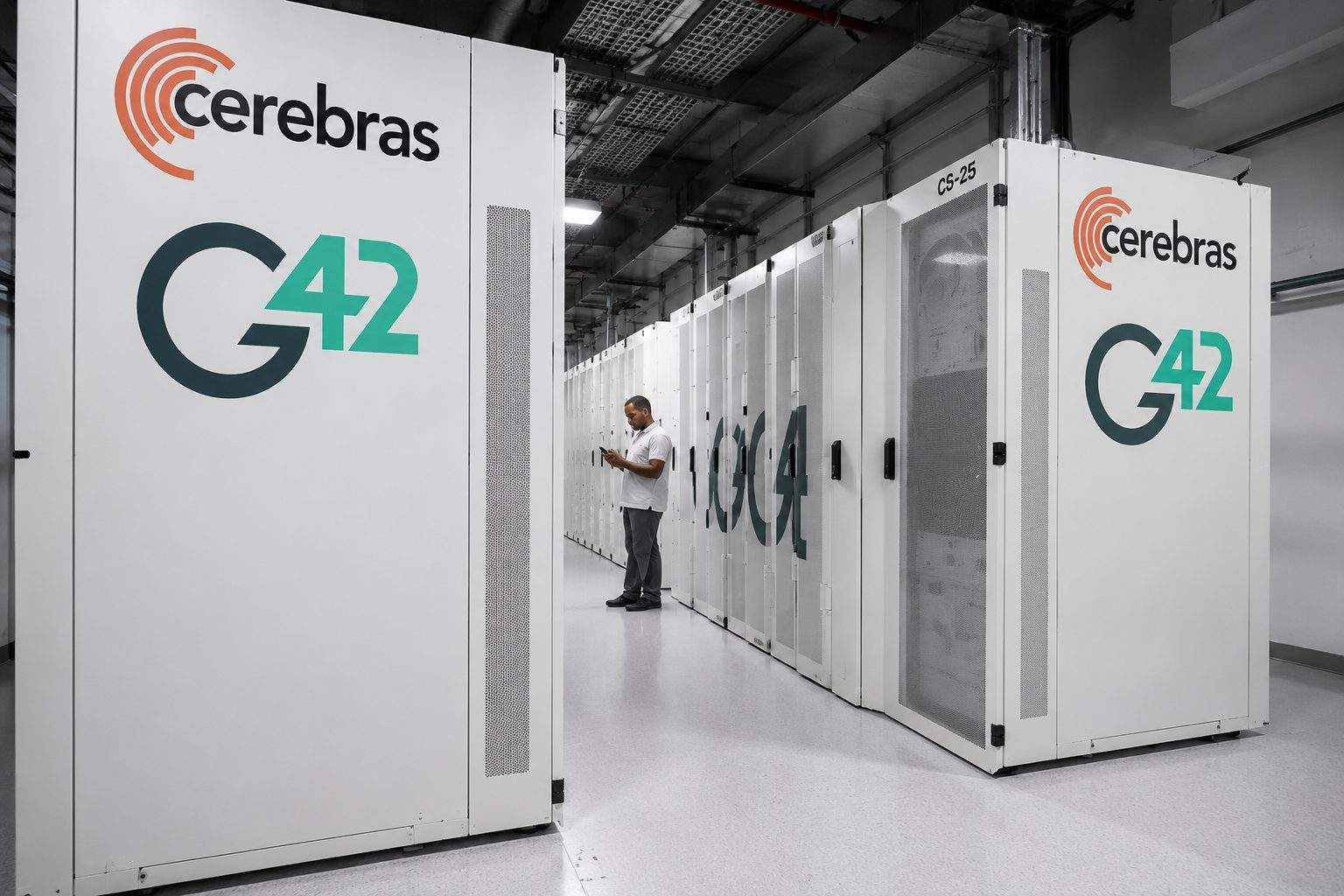
This isn’t a minor opportunity. Cerebras builds wafer-scale processors—massive chips designed for AI inference, where trained models generate responses. The company argues that a single, oversized processor can reduce latency and streamline tasks that currently depend on clusters of graphics processing units, Nvidia’s industry-standard chips.
The negatives stand out, too. Recent filings point to 2025 revenue around $510 million, but that comes with a $145.9 million operating loss and heavy reliance—86% of revenue—on just two UAE-linked customers. The backlog? $24.6 billion, largely tied to a big OpenAI deal. Converting that to actual cash won’t be simple; it’s all riding on manufacturing scale, data center construction, and having enough power.
OpenAI stands at the center of things here. Reuters said last month the company struck a deal to pay Cerebras over $20 billion during the next three years, tapping servers built with Cerebras chips—and securing warrants that could hand OpenAI a minority stake if its spending climbs. While that’s fuel for the bulls, it also tightens the market’s attention on just how much one customer is willing to shell out.
Prediction-market traders had already priced in much of Cerebras’ opening gains. After shares finished Thursday near the $60 billion-to-$70 billion mark, the relevant Polymarket contract for the IPO’s closing market cap paid out 100% in that bracket. Not much left for anyone betting on a new pop in the stock on the second day.
Competitive dynamics are still keeping investors wary. Cerebras, aiming to lure AI business from Nvidia’s GPU-based setups, faces AMD hunting the same AI accelerator market. On its debut, Cerebras saw its market cap jump to roughly $66.95 billion, as MarketWatch characterized it as an AI inference contender but flagged concerns over the challenges of manufacturing and heavy reliance on a handful of customers.
The initial drop in the stock seems more like a shakeout following an overcrowded trade—not a sign the AI chip story is falling apart. Traders are still ponying up for rapid growth, hungry OpenAI orders, and perhaps a chance at loosening Nvidia’s grip on inference.
Whether Cerebras can match its valuation with growth fast enough is still up in the air. For now, the IPO looks like a win, but every price point since the opening bell hasn’t been a slam dunk to justify.