Washington, May 21, 2026, 19:03 (EDT)
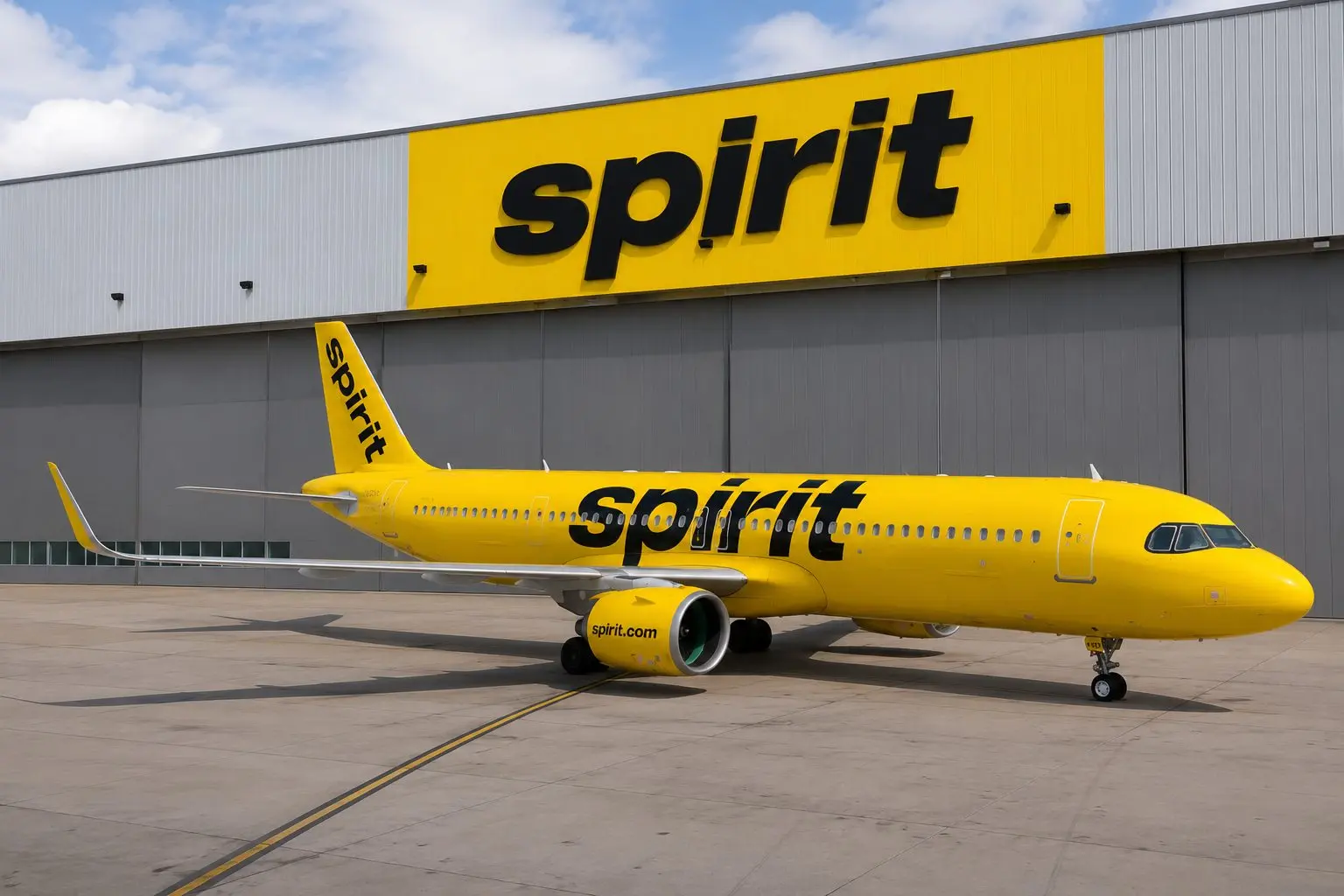
Spirit Airlines’ attorney told the bankruptcy court he was sorry to any travelers “priced entirely out” of the market, saying the carrier’s abrupt May 2 stop may mean some can’t fly at all. Marshall Huebner also thanked longtime Spirit passengers who, he said, “could not otherwise have afforded air travel.” Spirit’s rivals have jumped in to backfill service at U.S. airports. AP News
Timing is key. Memorial Day is just days off, kicking off the main U.S. summer travel season, and Spirit will be out of the picture. The move takes away one of the largest ultra-low-cost carriers—airlines that offer cheap base fares with add-ons for bags and seats—at a time when jet fuel prices linked to the Iran war have pushed tickets and fees higher.
Spirit said it started an orderly wind-down on May 2, scrapped all flights and told passengers to stay away from airports. The company said it ran out of fresh funding after a large rise in oil prices. CEO Dave Davis said the fuel-price surge left Spirit with “no alternative” and that to keep operating would have taken hundreds of millions of dollars the airline did not have. PR Newswire
JetBlue shifts Fort Lauderdale plans, adds routes and targets Spirit fliers JetBlue is changing its route map as the shutdown shakes up the market. The carrier said it will roll out 11 new destinations from Fort Lauderdale-Hollywood International Airport, boost flights on current routes, and offer a loyalty status match for Spirit Free Spirit Silver and Gold members. “We’re stepping up for Fort Lauderdale,” JetBlue President Marty St. George said, calling it an effort to keep air service going in the city. JetBlue Newsroom
Frontier is ramping up service. The airline said it already flies over 100 routes that used to be Spirit’s and it aims to add nine more routes and 15 daily flights across 18 older Spirit markets this summer. Bobby Schroeter, chief commercial officer at Frontier, said Spirit made low-cost travel more available and that Frontier will offer discounted fares to customers who lost service.
Breeze Airways wasted no time at Atlantic City International Airport. Spirit used to operate close to 75% of flights there, but after Spirit pulled out, Breeze ran its first flight within days. The airline said it will add more nonstop routes soon, with service to Orlando, Myrtle Beach, Fort Myers and West Palm Beach.
JetBlue is dropping 11 routes this summer, with a complete exit from Manchester-Boston Regional Airport, as it puts more planes on Fort Lauderdale. The airline said it’s axing some routes that haven’t performed to help boost South Florida operations, according to a JetBlue spokesperson.
More trouble for low-cost flying started before Spirit’s problems. Shye Gilad, a former airline captain now at Georgetown University, said dynamic pricing using algorithms chipped away at a key edge for budget carriers. Large airlines can match Spirit-type fares on some seats, then get higher prices for standard or premium seats in the rest of the cabin.
The big carriers come out ahead. American, Delta, and United have ways to handle fuel costs, like premium seats, loyalty plans, business travel, and added fees. Discount airlines lean harder on price-focused leisure customers. “They can’t just be the cheapest airline anymore,” Gilad said. AP News
Spirit’s collapse is fueling the antitrust debate again. JetBlue’s $3.8 billion bid for Spirit got blocked in 2024. Last year, Reuters Breakingviews flagged that the deal could cut competition for budget fliers but also said Spirit on its own would face tough odds versus American, Delta, Southwest and United.
The route grab won’t solve things for budget carriers. They’re still dealing with the same fuel costs that hit Spirit. An industry push for $2.5 billion in short-term federal help for value airlines fell through when Airlines for America opposed it. If fuel prices stay up or bigger rivals stick to the best markets, flyers at smaller airports and those with less to spend may have to pay more or see fewer flights.
Fight shifts to Spirit’s assets. The Wall Street Journal said airlines are eyeing Spirit’s takeoff and landing slots at major airports like New York’s LaGuardia, where some slots might get up to $87 million. Spirit said ticket buyers who paid with a credit or debit card will get refunds automatically. Other claims are set to go through the bankruptcy process.