New York, May 21, 2026, 19:05 (EDT)
- Estée Lauder and Puig have called off their merger discussions.
- Estée Lauder shares jumped roughly 10% in after-hours action, after the stock ended the session at $78.91.
- Investors have shifted focus to the company’s own turnaround instead of a major merger.
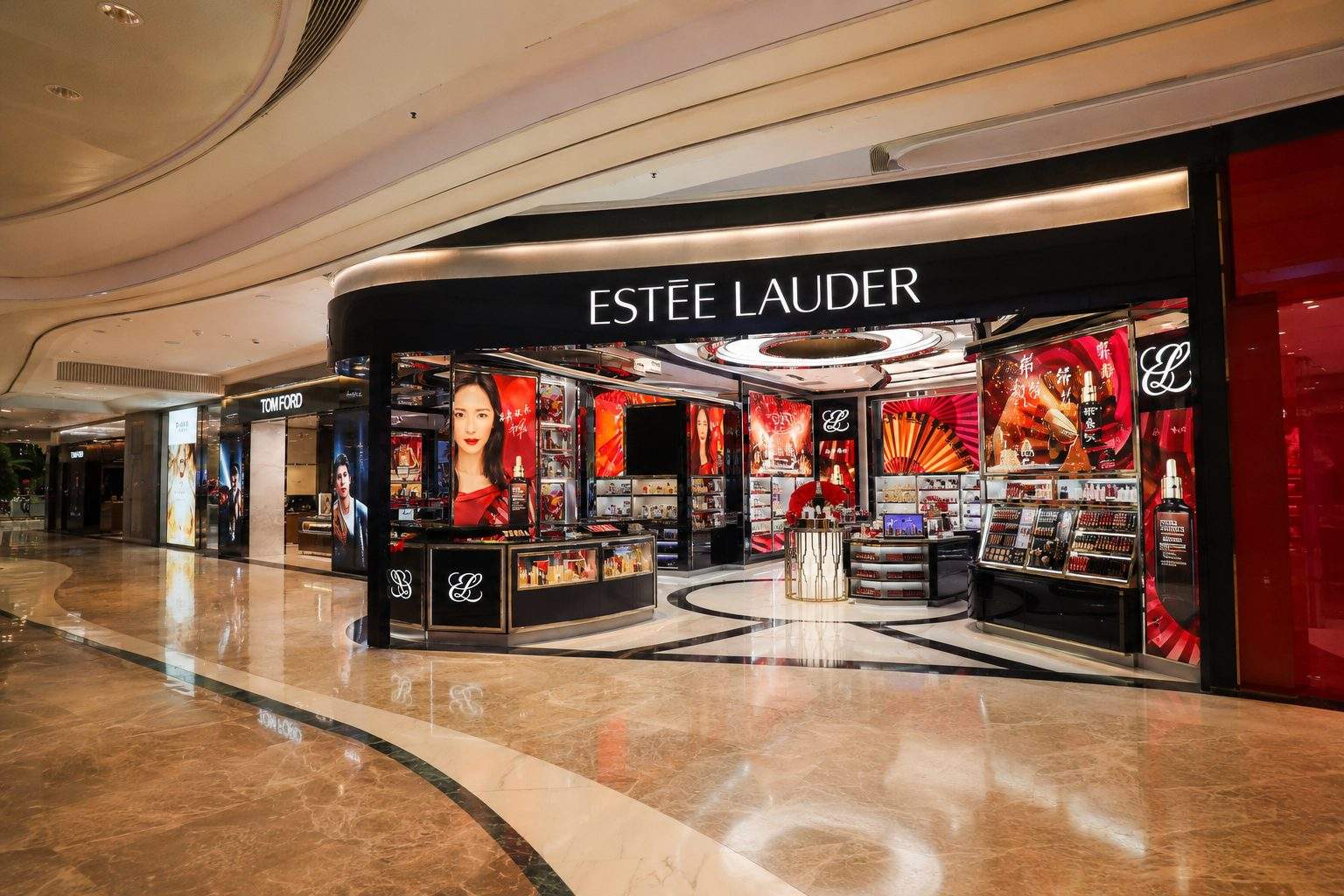
Estée Lauder shares moved higher after hours on Thursday, up about 10% following news that the company and Spain’s Puig halted merger talks. The talks would have set up a $40 billion premium beauty group and disrupted the luxury cosmetics business. Estée Lauder ended regular trading at $78.91 before Reuters broke the story.
Estée Lauder said talks with Puig have ended, keeping attention on its own Beauty Reimagined turnaround. Investors were watching the Puig deal as a signal for whether Estée Lauder needed a major acquisition to get back on track. The company said its existing plan is working.
Estée Lauder CEO Stéphane de La Faverie said the company remains confident in its “strength as a standalone company.” He said Estée Lauder will continue to look at acquisitions and divestitures, so the collapse of negotiations with Puig does not rule out more deal activity. EL Companies
A merger would have meant more scale in high-end beauty for names like Clinique, Tom Ford, Carolina Herrera, Rabanne and Jean Paul Gaultier, all in the same group. Estée Lauder would have been bigger against L’Oréal, which leads the sector, as beauty spending has slowed after the post-pandemic rush.
RBC Capital Markets analyst Nik Modi said he was “relieved” to see the talks finish. Modi said integration risk would have hung over the shares for a long time. Integration risk is the chance that two firms struggle to combine without damaging costs, sales or management focus. Reuters
Stock traders seemed relieved by lower deal risk and are back to watching Estée Lauder’s turnaround. Earlier this month, the company raised its fiscal 2026 forecast after posting third-quarter net sales of $3.71 billion, up 5%. Organic net sales rose 2%. That filters out impacts like currency and portfolio shifts, so it measures core growth.
Estée Lauder has focused on fragrance and pushing growth in Mainland China, while using cost cuts, as it works to regain trust. De La Faverie told investors on May 1 that fragrance organic sales jumped by double digits over the first nine months of fiscal 2026. Mainland China saw high-single-digit growth. Adjusted operating margin was on track to expand by nearly 300 basis points, or about three percentage points.
Puig talks stirred up questions on timing. Estée Lauder, which is still dealing with years of soft sales and losing market share, said earlier this month it plans to cut as many as 3,000 jobs in a bigger restructuring move, according to Reuters.
Talks hit a snag. Just two days earlier, de La Faverie told the FT Business of Luxury Summit that the Puig conversations were still alive, but pushed that “organic remains the most important one” for Estée Lauder’s strategy. Now that the deal talks are off, organic growth is again in the spotlight for investors. Reuters
Puig said its strategy is staying the same. The company, which owns Charlotte Tilbury and Carolina Herrera, is sticking with a “highly selective” approach to deals, CEO José Manuel Albesa told the Financial Times. Financial Times
Estée Lauder is counting on its core business to keep getting better, but if that stalls, the stock rally could lose steam. The company says its forecast counts on no new trouble from geopolitics, tariffs or consumers. It warned that issues in the Middle East may cut fourth-quarter sales growth by around 2% and shave 6 cents off diluted earnings per share.
U.S. markets traded as usual on Thursday. The NYSE’s next closure is Memorial Day, set for Monday, May 25. That puts the focus on Friday’s regular session to see if the after-hours gains for Estée Lauder turn into something more sustained.