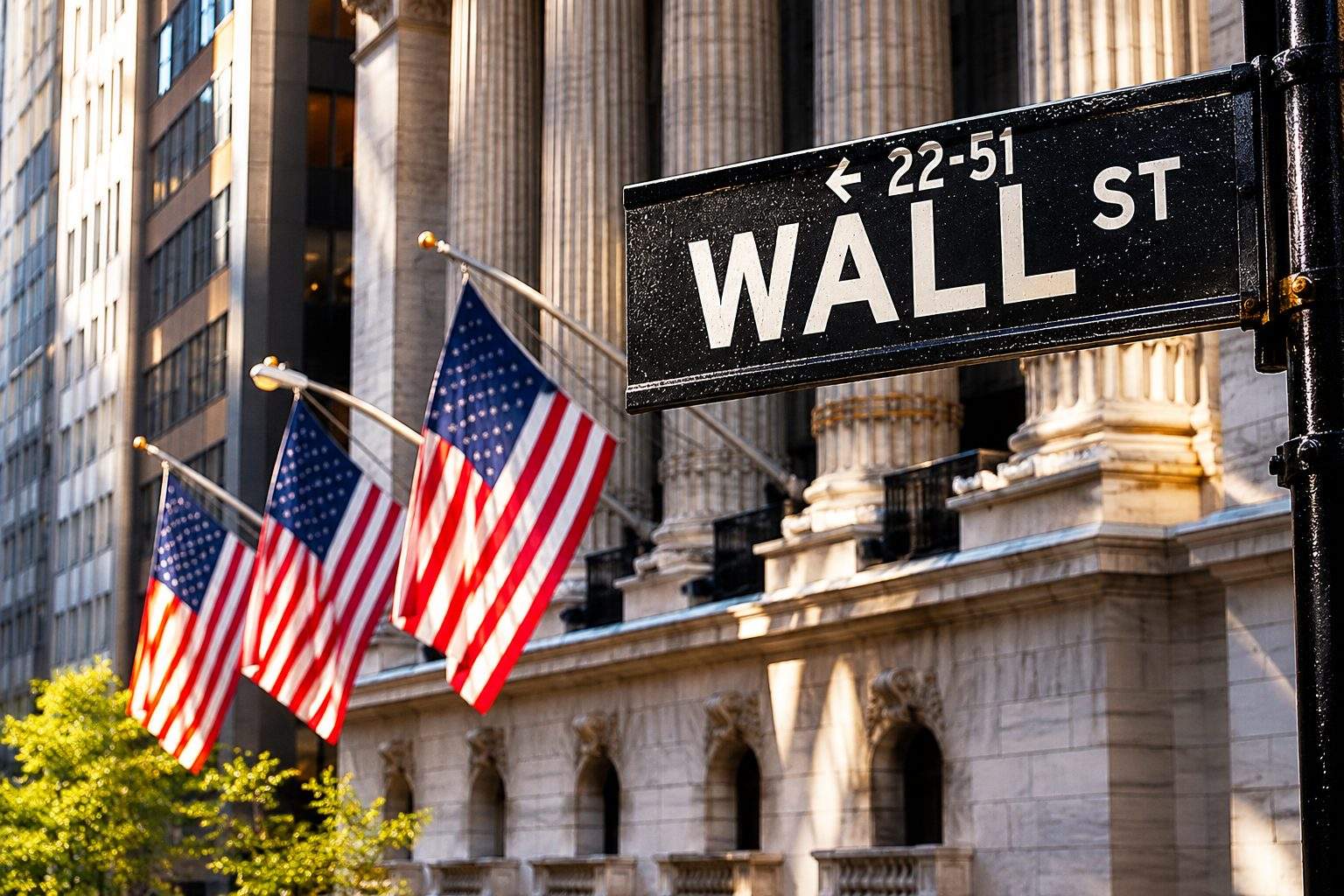

New York, May 22, 2026, 16:02 EDT
U.S. stocks finished higher on Friday, with after-hours Reuters/LSEG data showing the Dow Jones Industrial Average setting a new record. Investors jumped in on hopes around U.S.-Iran talks and upbeat earnings. The Dow gained 428.65 points, or 0.86%, to close at 50,714.31. The S&P 500 rose 45.82 points, or 0.62%, to 7,491.54. The Nasdaq Composite increased 130.07 points, or 0.50%, to 26,423.17. James St. Aubin, chief investment officer at Ocean Park Asset Management, called the market backdrop “really solid.” Reuters
Dow hits new intraday high for first time since start of U.S.-Iran war
The Dow climbed past its February high, setting a new intraday record, the first since the U.S.-Iran war started. Art Hogan, chief market strategist at B. Riley Wealth, said some investors were starting to feel more confident as it looked like the conflict could be moving toward an “off-ramp.” Reuters
S&P 500 set for eighth weekly gain, with buyers still in after earnings. Corporate profits have kept demand steady, even as oil prices, inflation and yields linger as risks. The S&P 500, which covers 500 big U.S. stocks, is the broadest snapshot of U.S. equities.
Semiconductor stocks lifted the market on the session. The Philadelphia Semiconductor Index gained 2.5%. Qualcomm surged 12%. Nvidia dropped 1.6%. Semiconductors, the chips found in computers, phones and AI systems, have become a quick read on market demand for the AI trade.
PC makers traded higher. Dell Technologies jumped 16% and HP Inc climbed 15%, as investors looked toward results and demand for AI servers. Barron’s said Wells Fargo analyst Aaron Rakers hiked his Dell price target to $270 from $180. Dell, HP and Lenovo are rivals in PCs, but Dell has gotten a bigger spotlight for its push into AI servers.
UBS Global Wealth Management lifted its S&P 500 year-end target for 2026 to 7,900 from 7,500 before the open, as it pointed to steady consumer spending and strong demand for data-center infrastructure. The firm’s new EPS forecast for 2026 is $335, up from $310.
Bond yields moved lower, giving stocks a break. According to Reuters, the 10-year Treasury yield fell 2.6 basis points to 4.558%. A basis point equals one-hundredth of a percentage point. Lower yields tend to ease borrowing costs for companies and can support stock prices.
Risks are still out there. Anthony Saglimbene, chief market strategist at Ameriprise, said the “macro environment” is coming back into focus. Jim Baird, chief investment officer at Plante Moran Financial Advisors, said “inflation concerns continue to flare.” The PCE price index, the Fed’s preferred inflation gauge, is due next week. A weak reading on that could recharge rate worries. Reuters
Nomura has scrapped its 2026 Fed rate cut forecast, citing inflation risks from the Iran war and memory-chip shortages. CME FedWatch data put odds for at least a 25-basis-point Fed hike by year-end at about 58%, according to Reuters.
Wall Street’s focus stays on earnings and AI investment, but oil, the Strait of Hormuz, and long-term yields remain headwinds for the rally. Next week’s Memorial Day holiday cuts the trading schedule, so investors get less time for inflation data and the final key earnings.
Related articles: NYSE:DELL





![US Stock Market Today 08/24/2026 [UPDATE: 02:06 EDT] [Memory Rout Accelerates as Micron and Sandisk Losses Double]](https://ts2.tech/wp-content/uploads/2026/08/US-market-dashboard-2026-08-24-0203-480x384.jpg "US Stock Market Today 08/24/2026 [UPDATE: 02:06 EDT] [Memory Rout Accelerates as Micron and Sandisk Losses Double]")