Singapore, May 28, 2026, 15:23 (SGT)
Asian markets slipped Thursday after new U.S.-Iran tensions drove oil prices up, sending investors out of risk following a strong AI-fueled rally. Shares dropped across Japan, Hong Kong, South Korea and Australia. Mainland China kept a narrow gain.
It matters now with both cheaper oil bets and the AI trade under pressure. Rising crude prices can push inflation up, which could keep central banks from cutting rates or even force another hike. That would put more strain on high-valuation growth stocks.
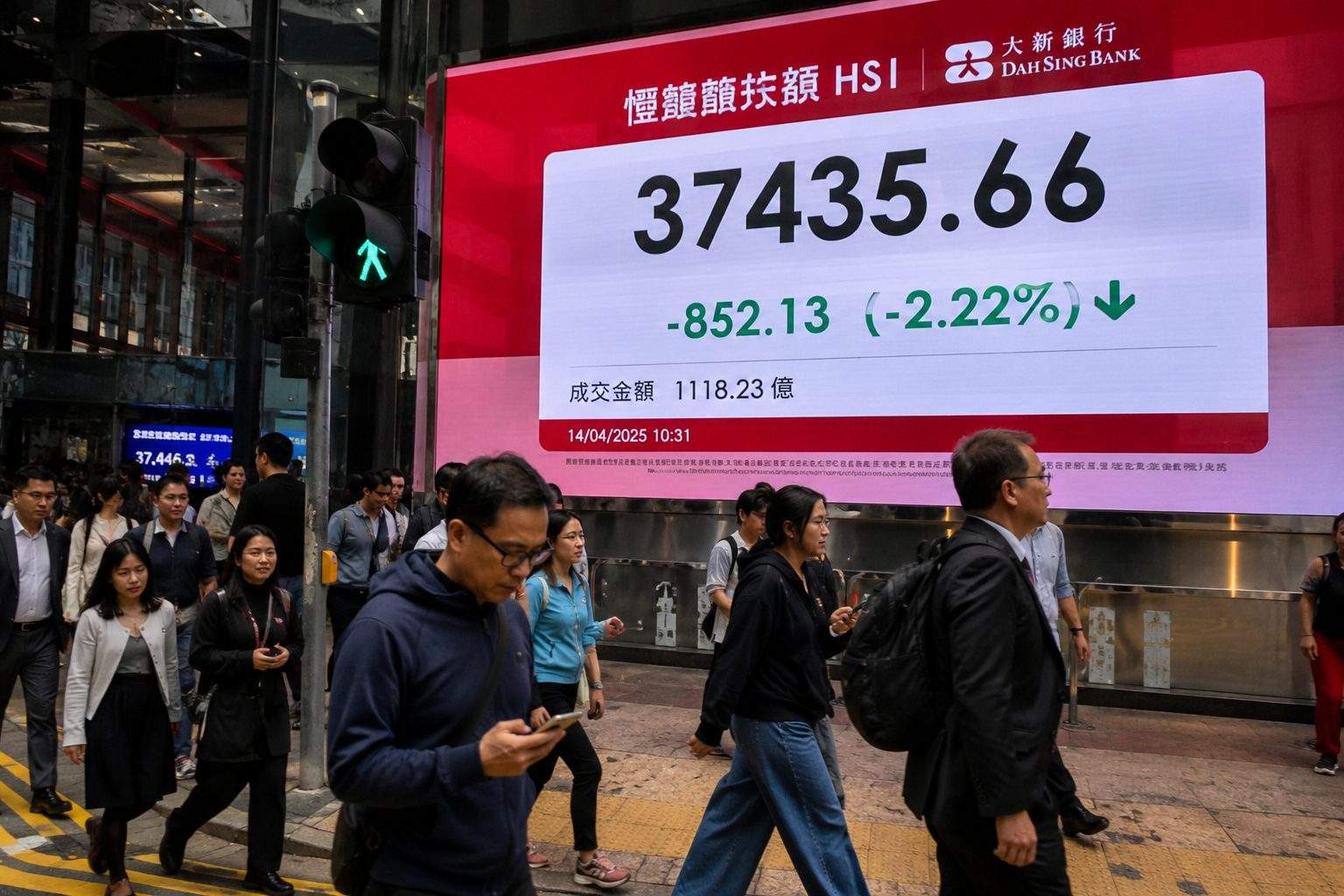
Nikkei 225 slid 0.47% to 64,693.12 in late Asian trading. Hang Seng dropped 1.32% to 24,994.31. All Ordinaries in Australia down 1.40%. Shanghai’s main index added 0.07%. Brent crude was up 2.62% at $96.76. The 10-year Treasury yield moved up to 4.528%.
India sat out the regional cash session. The National Stock Exchange’s holiday calendar marked May 28 as a trading holiday for Bakri Id. Its Nifty 50 board held the previous close from May 27.
Mizuho Bank’s Tan Boon Heng in Singapore said talk of a U.S.-Iran deal was mixed, which weighed on risk sentiment and curbed demand for assets like stocks. He said markets are getting cautious about the odds of a deal on major issues.
Strait of Hormuz stays in focus for oil traders as the Gulf shipping route faces more headline risk. Madison Cartwright, senior geo-economics analyst at CBA, said the odds lean 70% toward a new ceasefire deal but the strait’s outlook is still up in the air. The current ceasefire could hold or collapse, Cartwright said.
Dollar traded near a one-week high, with the yen sliding close to 160 to the dollar. That’s a level Japanese authorities have stepped in at before. “Very fickle, very murky,” Aidan Yao at Amundi Investment Institute said of the Middle East. Reuters
The Personal Consumption Expenditures (PCE) inflation report is up next for the U.S. market. The Fed tracks this inflation gauge closely. Forecasts from Reuters put headline PCE at 3.8%, with core PCE — which removes food and energy — at 3.3%. Both figures stay above the Fed’s 2% goal.
Bank of Korea signals higher rates as two members push for hike
The Bank of Korea kept its base rate unchanged at 2.50%, but two of the seven board members called for a 25 basis point hike. A new dot plot showed most policymakers leaning toward higher rates. “The question is when, how quickly to raise them, and how far,” Governor Shin Hyun Song said. Reuters
Trade numbers still gave a lift. A Reuters poll showed South Korean exports likely jumped 48.4% in May. Chip sales in the first 20 days of the month more than tripled. Stephen Lee, economist at Meritz Securities, said export growth for the second quarter is outpacing forecasts. Park Sang-hyun at iM Securities said the export run could last with strong manufacturing and chip demand.
Japan stocks eased after a strong run. Foreign investors picked up a net 1.08 trillion yen in Japanese equities in the week ended May 23, marking the eighth week in a row of inflows. SoftBank Group jumped 17.62% last week, and Socionext added 12.26%, as both names rode momentum from Nvidia’s AI chip outlook.
The trade could flip fast on the next headline. Signs of a real ceasefire and smoother Gulf shipping might send oil down and bring buyers back to chips and other growth stocks. More attacks or insurance fears that deter tankers would mean firmer inflation, higher yields, and a tougher hit to Asia’s equity multiples.