New York, June 10, 2026, 20:01 (EDT)
- The Dow, S&P 500 and Nasdaq each dropped over 1% with chip stocks sliding, inflation worries and Iran tensions cutting into risk appetite.
- Index-tracking ETFs and futures stayed down in after-hours trading, setting up a weak start for Thursday’s session.
- Oracle’s earnings topped estimates, but concerns around AI infrastructure spending and debt weighed on the stock.
Dow sinks nearly 1,000 points as tech breaks down; inflation, Iran weigh
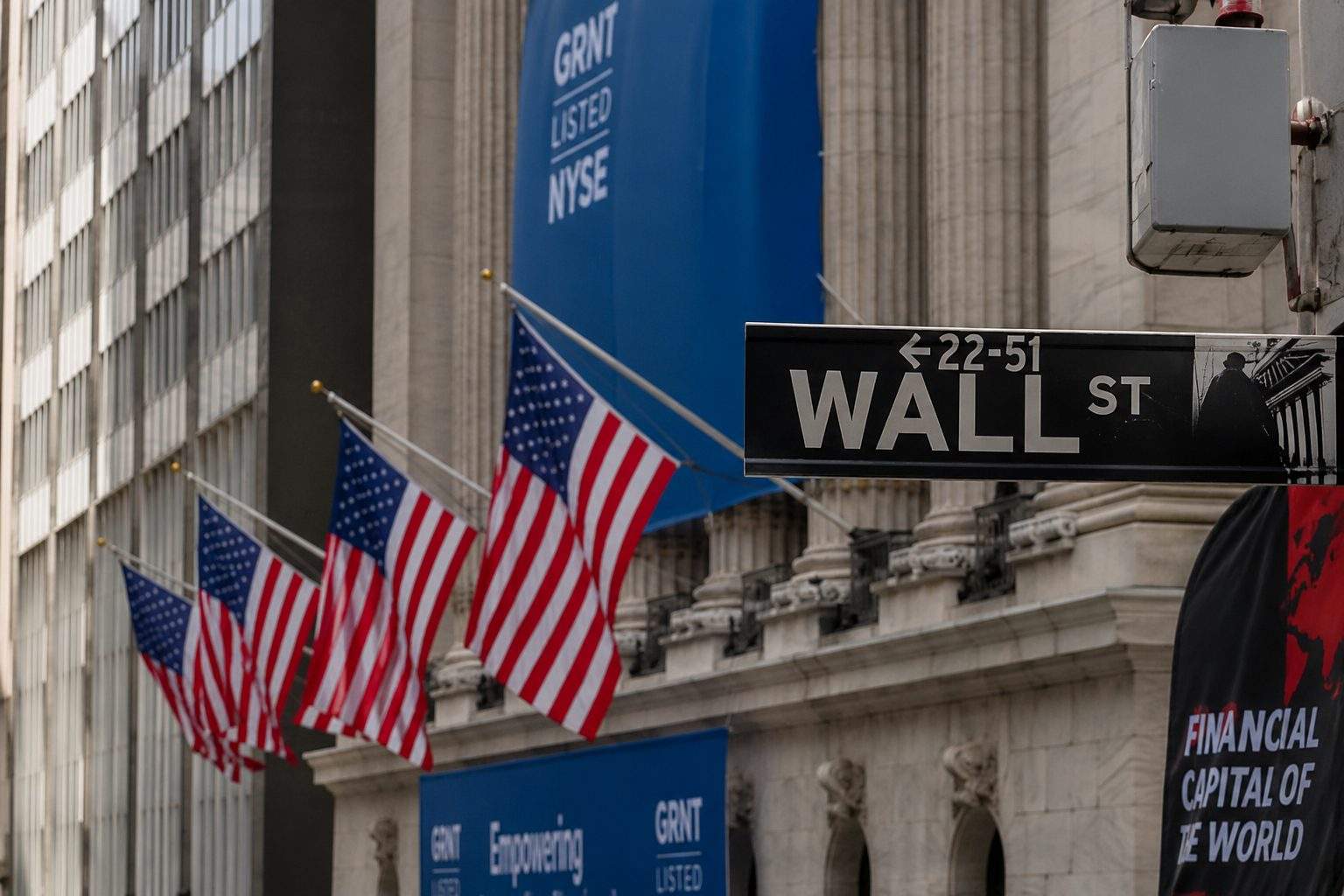
U.S. stocks came under more selling after the bell Wednesday. The Dow Jones Industrial Average finished down 953.33 points, or 1.87%, at 49,918.78. The S&P 500 fell 1.62% to 7,266.99. The Nasdaq Composite dropped 1.98% to 25,169.50. Tech stocks took the biggest hit as traders turned defensive. Inflation looked hot and U.S.-Iran tensions stirred.
Stocks dropped, but the bigger move was in where the selling hit. The semiconductor index lost 3.6%. Nvidia and Broadcom were heavy drags on the S&P 500. The S&P 500 technology sector is now down 11% from its June 2 record close, enough for correction territory—market code for a drop of at least 10% from a recent high.
Stocks stayed weak after hours. The SPDR S&P 500 ETF Trust traded at $725.43, off roughly 1.6% from its previous close. The Invesco QQQ Trust, which follows the Nasdaq-100, posted $693.69, lower by about 1.9%. The Dow ETF DIA stood at $500.25, and IWM, which tracks small caps, was last seen at $282.05.
S&P 500 futures fell 0.33% and Nasdaq 100 futures slipped 0.58% in evening trading. Dow futures were down 0.24% and Russell 2000 futures moved 0.55% lower at about 7:50 p.m. ET, market data from Investing.com showed.
Oracle gave investors a fresh read on the after-hours market mood. Fiscal Q4 revenue came in at $19.2 billion, up 21%. Cloud revenue climbed 47% to $9.9 billion, while cloud infrastructure revenue soared 93% to $5.8 billion. Remaining performance obligations reached $638 billion — contracted revenue the company hasn’t booked yet.
Oracle shares dropped 8.9% in late trading after the company projected fiscal 2027 capital spending higher than Wall Street had expected and announced plans to secure nearly $40 billion using debt and equity. Capital expenditure, or capex, refers to funds for assets like data centers and equipment.
Oracle’s after-hours move caught attention as investors, who have chased AI-related stocks on growth and demand, seem to be shifting focus. Now the question is how much cash, debt, or shareholder dilution will be needed to turn those AI orders into real profit.
Super Micro Computer brought the matter to investors earlier. The AI server firm rolled out $7.0 billion in equity and equity-linked fundraising on June 9, with $5.0 billion through underwritten public offerings and as much as $2.0 billion via an at-the-market program. The company said the cash would go toward buying parts for around $39 billion of fresh AI server orders from over 20 clients.
The shares dropped 28% in Wednesday’s regular trade, Reuters reported. The move sent a clear signal to investors: even with strong AI demand, shares can fall hard if companies fund growth by selling stock or loading up on pricey capital.
Sellers found fresh momentum after new data on inflation. The Labor Department said the Consumer Price Index rose 0.5% in May, up 4.2% from a year ago. Energy made up over 60% of the increase for the month, with gasoline jumping 7.0% in May.
The inflation number didn’t surprise economists, but markets took it hard since traders had already started adjusting to more Fed risk. According to Reuters, the Federal Reserve is still expected to keep rates unchanged in June, though investors see at least one more quarter-point hike before year-end. Higher rates tend to weigh on expensive growth stocks by lowering what investors are willing to pay now for future profits.
Geopolitical risk grew after Reuters said President Donald Trump warned the U.S. would strike Iran again without a peace deal. Later, Reuters reported U.S. forces hit multiple Iranian targets at 5:15 p.m. EDT, citing U.S. Central Command.
Investors see a balanced case here: the selloff could slow if oil prices hold steady, core inflation remains under control, and AI firms start turning their heavy infrastructure spending into strong high-margin returns. The flip side risk is the three go the wrong way: Iran tensions hold up energy inflation, the Fed hints at another rate hike, and the AI names keep tapping markets for more cash than shareholders thought.
Thursday’s open will mostly depend on two things besides the drop in headline indexes: if futures manage to find a floor overnight, and if Oracle’s comments on AI data-center spending end up being an Oracle problem or kick off a bigger rethink in tech valuations.