
Washington, June 12, 2026, 04:18 EDT
- Delaware’s HB 441 looks to ban cryptocurrency kiosks across the state. The bill would also force operators to pull current machines within 90 days.
- North Carolina’s HB 920 proposes regulating crypto kiosks through licensing, mandatory warnings, fee caps, and transaction limits instead of banning them.
- A bipartisan group in the House is backing a bill that would put federal rules on crypto ATM operators but keep states free to add more safeguards.
Crypto ATM crackdown gathers pace in U.S. as new bills hit state and federal level
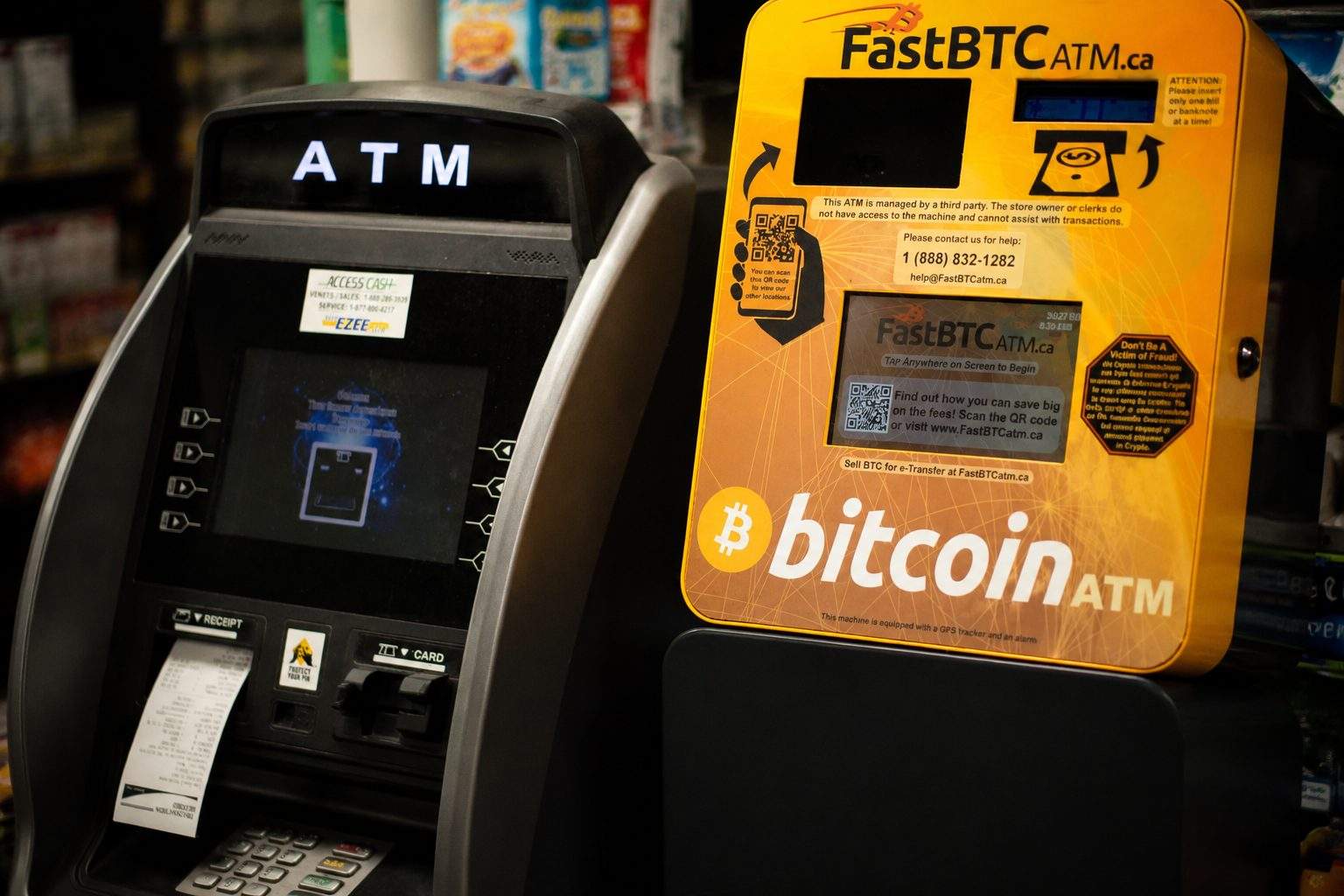
Delaware’s Senate is now taking up a proposed statewide ban on cryptocurrency ATMs, while North Carolina’s regulatory bill has gone to its Senate. Meanwhile, two members of Congress rolled out federal legislation aimed at scams targeting older Americans. The crackdown comes after new FBI Internet Crime Complaint Center data showed over 13,400 complaints in 2025 involving crypto kiosks, with losses topping $388 million.
Delaware’s House Bill 441 was listed in the Senate Banking, Business, Insurance & Technology Committee on June 11. The bill plans to ban installing, owning or running crypto kiosks in the state, and would also stop cashier-assisted or point-of-sale workarounds. If passed, current machines would have to be pulled out within 90 days. Violators could face injunctive relief, civil penalties of up to $10,000, and private lawsuits for damages.
Delaware’s bill is pitched by supporters as a way to protect consumers from fraud, not as a move against the digital asset market. Rep. Cyndie Romer, who is behind the bill, called the kiosks “a predatory cash grab” that exploits people using digital currency. Delaware Attorney General Kathy Jennings said people can be convinced to send big amounts at these kiosks and later can’t get their money back. House Democrats
North Carolina lawmakers are moving ahead with a different plan. House Bill 920, called the Virtual Currency Kiosk Consumer Protection Act, cleared the House in a 115-0 vote and was sent to the Senate Rules and Operations Committee on June 11, the University of North Carolina School of Government’s Legislative Reporting Service said. The bill would make kiosk operators get licensed as money transmitters and put them under oversight by the state Commissioner of Banks.
North Carolina’s bill would lay out fraud warnings, receipts, fee and exchange-rate disclosures, live customer support, and daily limits for transactions. The measure changed in the House, with a 14% fee cap and bigger transaction limits than before, according to reports. WRAL said Rep. Neal Jackson, a Republican backer, called the market “the wild, wild West.” Democrat Rep. Tim Longest said protections still don’t go far enough for seniors and vulnerable customers. WRAL News
Reps. Sean Casten, D-Ill., and María Elvira Salazar, R-Fla., rolled out the Stop Crypto ATM Scams Act at the federal level on June 11. The bill would force crypto ATM operators to keep written anti-money-laundering plans, check customer IDs, flag suspicious transactions, post scam warnings and disclosures, store records, set up live customer help and maintain law enforcement contacts. If passed, it would set a $2,000 per day and $10,000 total deposit cap for new users in their first 14 days, and a $7,500 per day limit for existing ones.
“Crypto ATMs offer criminals a quick and easy way to prey on seniors,” Rep. Casten said in announcing the new legislation. Rep. Salazar added seniors “should not have to worry about criminals using new technologies” to steal from them. The bill would set federal standards for crypto ATMs but wouldn’t override tougher state rules; sponsors say states could still add their own safeguards or ban the machines outright. casten.house.gov
Lawmakers are acting fast, and the state breakdowns show why. FBI data for 2025 listed North Carolina with 491 complaints and more than $12.6 million in losses linked to cryptocurrency kiosks. Florida, Illinois, New Jersey, Arizona and several other states also had multimillion-dollar totals. The FBI said its numbers include any complaint where a crypto kiosk was used in a scam and may also cover other transactions. The agency warned that total losses reported can’t be tied only to kiosks.
Related articles: Cryptocurrency