
FRANKFURT, June 19, 2026, 14:10 (CEST)
- Volkswagen preferred shares traded at around €80.53, falling 4.24%. The stock went ex-dividend today.
- Volkswagen shareholders signed off on a €5.20 dividend for ordinary shares and €5.26 for preferred shares at the annual meeting on Thursday.
- Volkswagen CEO Oliver Blume called the coming years “critical” for the company. He told investors Volkswagen is cutting costs, lowering capacity, and working to boost returns. Volkswagen Group
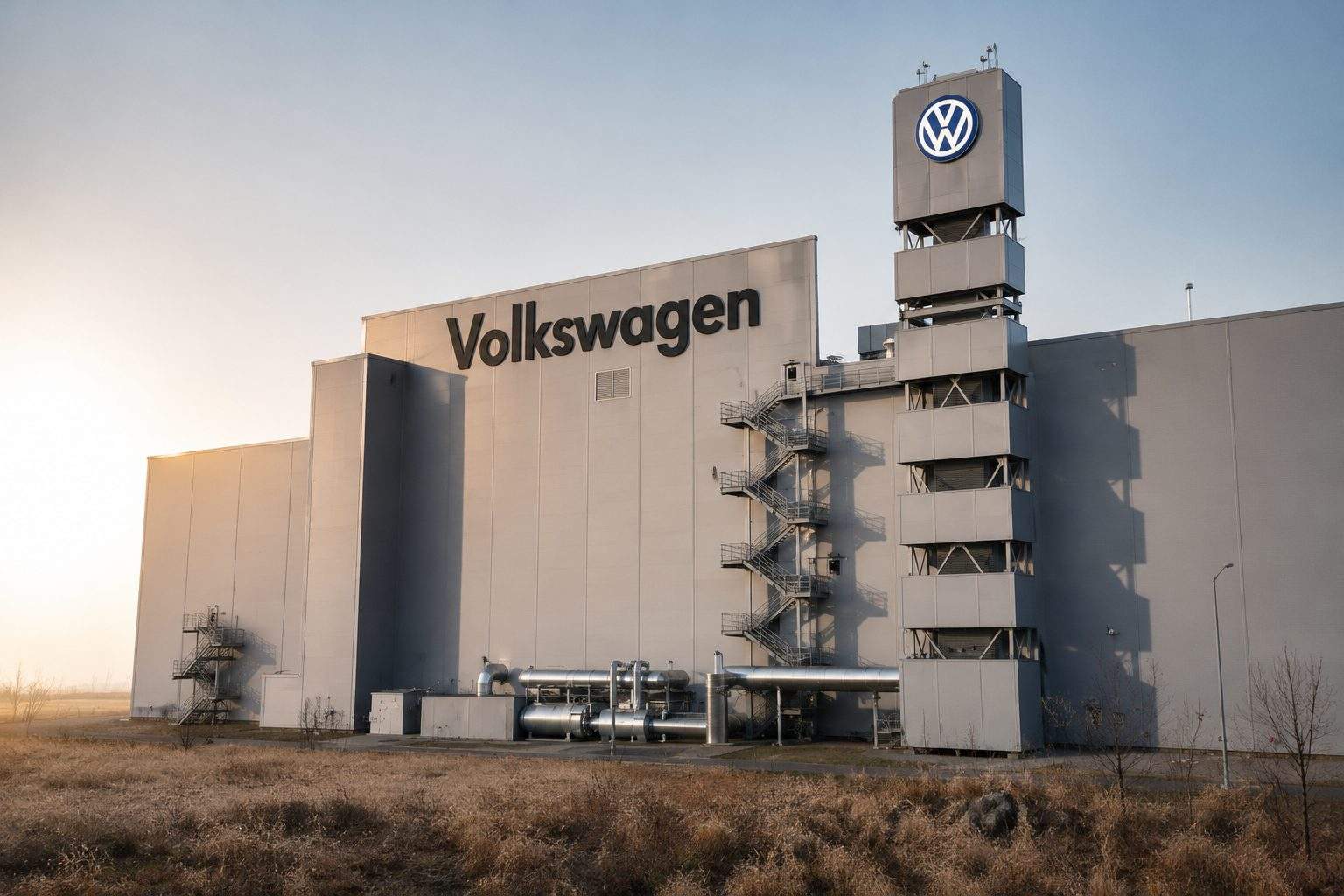
Volkswagen AG’s preferred shares dropped Friday when they started trading ex-dividend, a standard adjustment. The move came right after CEO Oliver Blume told shareholders that turning the carmaker around is moving into a tougher stage.
Volkswagen preferred shares traded at €80.53 on Tradegate at 08:08 a.m. EDT, down 4.24% from the previous €84.10 close, MarketScreener data showed. The shares now trade ex-dividend, so buyers lose the €5.26 preferred-share payout, which explains part of the decline.
Timing is still a key factor here. Investors are looking at a smaller cash return than last year but are being told to stay focused on whether Volkswagen can deliver cost cuts, trim management layers, and hold its ground in China and Europe to help its valuation recover.
Volkswagen shareholders backed every resolution put forward by the Board of Management and Supervisory Board on Thursday, giving the nod to a €5.20 dividend per ordinary share and €5.26 per preferred share. The company said this gives a payout ratio above 30% and a 5.1% yield on preferred shares off the year-end closing price.
Blume didn’t mince words at the annual meeting, saying, “The next few years are critical – and it is up to us.” He said Volkswagen is working to get leaner on costs, structure and technology to boost financial resilience. Volkswagen Group
Volkswagen Group says its strategy uses eight levers—reducing complexity, cutting overcapacity, tightening tech focus and making group steering simpler among them. The group is aiming for an operating return on sales of 8% to 10% by 2030. That margin measures operating profit as a slice of revenue, before interest and taxes.
Volkswagen is going after a big cost target. The company said ongoing performance and workforce actions will lead to sustainable cost savings of about €1 billion in 2025. Agreed capacity reductions are also part of a plan to deliver over €6 billion in annual net savings by 2030. Volkswagen plans to cut 50,000 jobs at Volkswagen, Audi, Porsche, and its Cariad software unit, with 35,000 of those job cuts at Volkswagen AG.
BMW is stepping up cost-cutting moves after issuing a profit warning this week tied to China demand and higher costs from the Middle East. Reuters said Friday that BMW and employee representatives were setting up talks. Unlike Volkswagen and Mercedes-Benz, BMW hasn’t announced big layoffs, Reuters said.
BMW’s supervisory board chairman Nicolas Peter said the Neue Klasse was “on the right track,” but the stock fell again Thursday after a warning. Peter’s statement points to where German carmakers are drawing their lines. They say product cycles can still work for them, but the market is focusing on margin pressure, China risk, and cost in the factories. Reuters
European shares traded slightly higher. The STOXX 600 was up 0.2% and Germany’s DAX added 0.3% by 0841 GMT, Reuters said, though cautious mood hung over the market after U.S.-Iran talks broke down. In that setting, Volkswagen’s weaker move didn’t look like a simple market call, but was tangled in dividend moves and ongoing restructuring.
But things could shift if China demand drops again, trade barriers go up, or job cuts in Germany lag or cost too much. Then Volkswagen might miss its savings goals, even as rivals keep slashing prices and improving margins. BMW’s caution was a reminder of how fast investors turn when slim profits are in play.
Related articles: Dividends