
Toronto, June 19, 2026, 09:07 (EDT)
- Air Canada finished Thursday at C$24.20, a gain of 4.6%. Shares ended just under the 52-week high of C$24.21, according to market data.
- Canadian exchanges are trading on Juneteenth, but U.S. exchanges are shut. That means no same-day peer read on U.S. airlines.
- Canadian index futures moved lower in early trade as fresh Middle East worries pushed energy and transport stocks into view again.
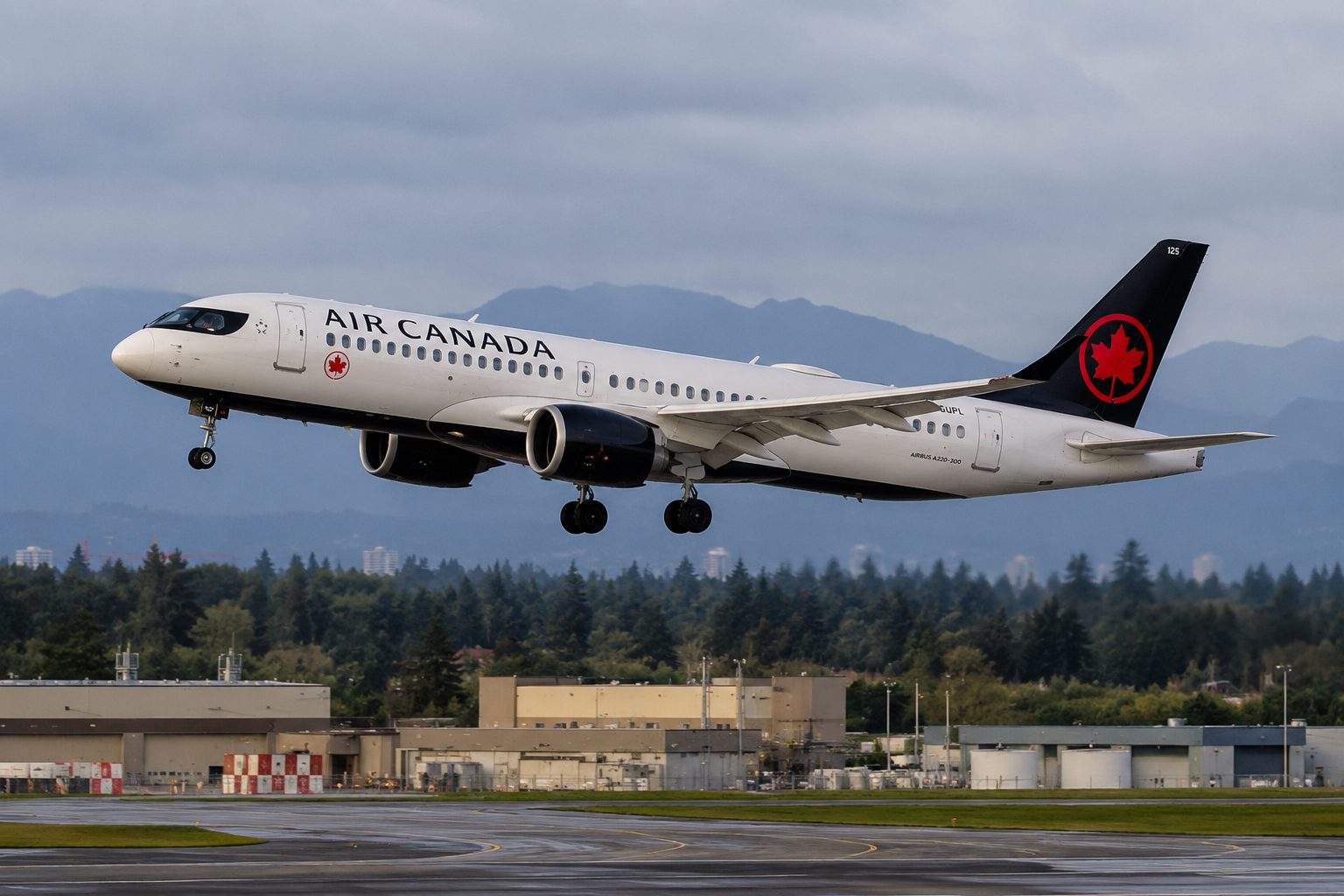
Air Canada shares are trading close to a one-year high in early Friday moves in Toronto, following a steep run-up. Investors are watching lower oil prices and new developments in Middle East talks. Shares finished June 18 at C$24.20, up C$1.07, or 4.6%, just a cent off the 52-week high.
That’s in focus now as the story isn’t only about travel demand. Jet fuel is a major and volatile expense for airlines. Air Canada has pulled its 2026 guidance, saying fuel costs are too difficult to predict.
Toronto was still closed at the time of the report. The Toronto Stock Exchange trades from 9:30 a.m. to 4 p.m. EDT. Canadian exchanges were set to open on June 19, while U.S. markets and the DTCC stayed closed for Juneteenth.
Canada’s main stock index futures dropped 0.35% before the open, with the move hitting at 7:26 a.m. ET, Reuters said. This came after U.S.-Iran talks meant to stop the Middle East conflict were scrapped. Brent crude stayed close to $80 a barrel.
Air Canada rose Thursday even as the S&P/TSX Composite dropped 0.4%, pressured by weaker oil and gold prices that battered resource plays. The airline moved up as cheaper oil gave hope for lower fuel costs. Greg Eckel, portfolio manager at Canadian General Investments, called the pullback in commodities a “two-punch whammy” for Canadian stocks. Reuters
Air Canada is giving some support to the stock with its own numbers, though the picture isn’t straightforward. For the first quarter, the company posted operating revenue of C$5.8 billion, operating income of C$117 million, and adjusted EBITDA of C$623 million. Adjusted EBITDA is earnings before interest, taxes, depreciation and amortization, a standard operating profit yardstick.
Air Canada CEO Michael Rousseau said demand is still “strong across the network.” The company said it plans to offset 50% to 60% of its estimated extra fuel bills in Q2 with commercial and cost steps. That helps, but fuel is still the main part of the equity story. Air Canada
Air Canada stands out Friday with thin peer trading. Delta Air Lines and American Airlines, two big rivals Air Canada names as competition in Canada, won’t trade in New York as U.S. markets are shut. That makes Air Canada one of the few listed airline plays available for Canadians tracking the fuel-and-travel move.
Valuation looks stretched after Thursday, with Air Canada trading at C$24.20. That’s above the average 12-month analyst target of C$22.53, according to Investing.com data. The price target is just an estimate, not a promise for where shares will go.
But the risks remain clear. If Middle East talks continue to fail and jet fuel climbs, Air Canada is exposed to hits on margins, pricing, and how much it can fly; the company has already said ongoing or worsening conflict could hurt energy markets and push up its fuel costs.
Air Canada is starting to trade more like a fuel and demand story while management hasn’t brought back annual guidance. The shares are near their 52-week highs. Any move after Friday’s open could depend more on oil prices than a company update. The share price looks firm, but the ground isn’t wide.
Related articles: Stock Market