
New York, June 21, 2026, 14:01 EDT
- Apple finished the shortened holiday week just under $300, lifted along with other tech stocks in the rebound.
- U.S. stock trading stayed closed Friday for Juneteenth and did not open over the weekend.
- Investors have a fresh dilemma on Apple: Can raising device prices keep margins up without putting the brakes on upgrades?
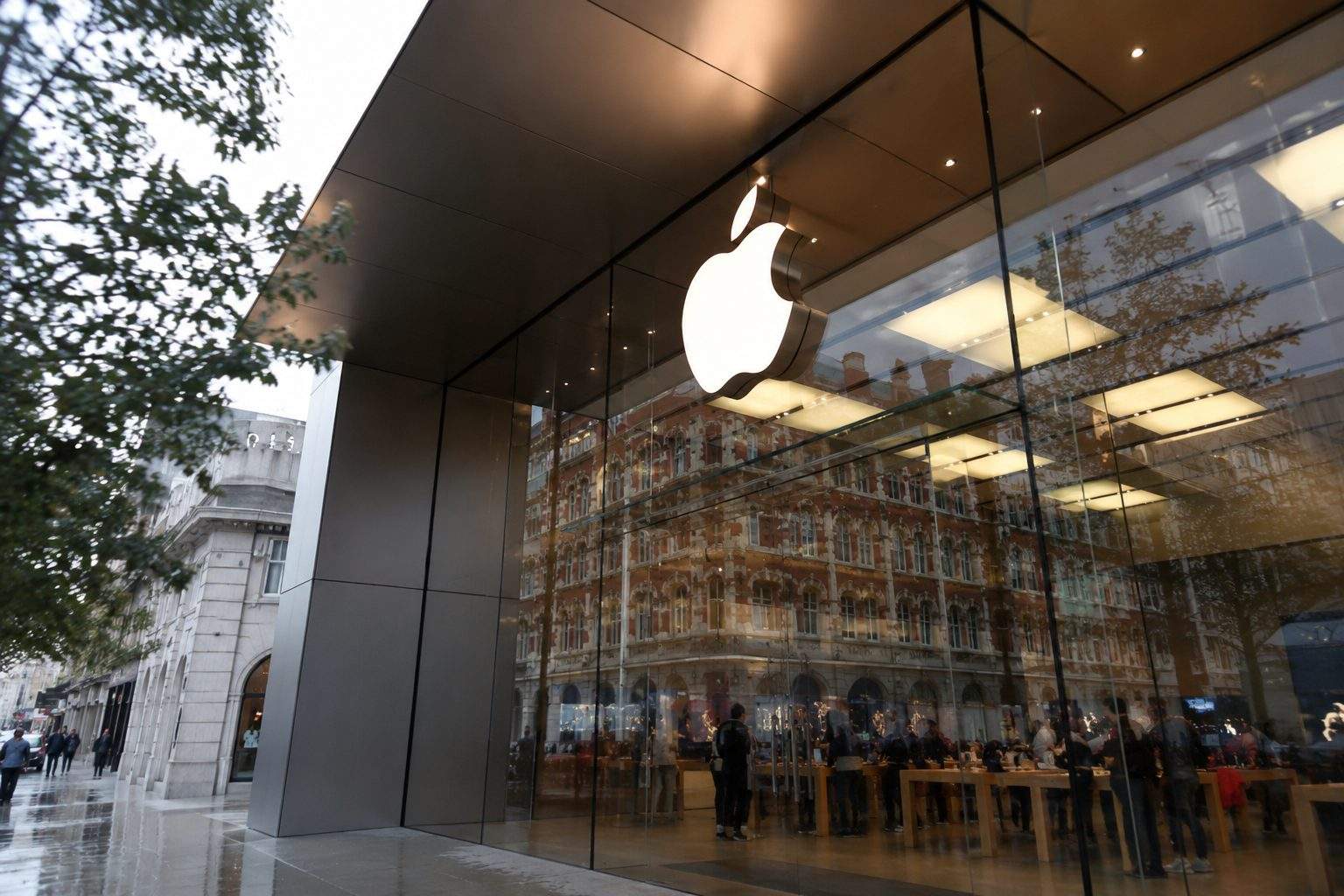
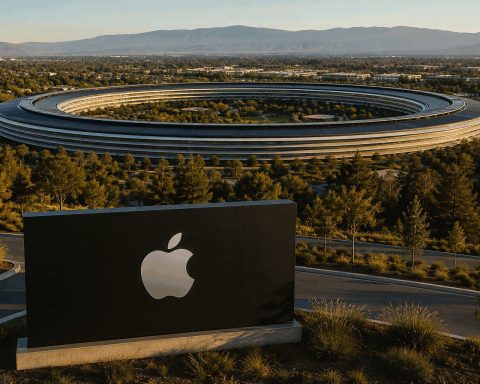
Apple Inc shares are set to open just below $300 on Monday, following a shortened U.S. trading week. Investors are still looking at Apple’s pricing power, but now they’re also watching higher memory chip costs linked to the artificial-intelligence boom.
Apple shares finished Thursday at $298.01, rising 0.7% for the day. That puts the stock up 2.4% since June 12, when it ended at $291.13, according to historical price data. Nasdaq was closed Friday for Juneteenth and stayed shut through the weekend.
Timing is in focus. Nasdaq’s 2026 holiday calendar shows markets shut on June 19 for Juneteenth, and the exchange keeps regular hours, Monday to Friday, 9:30 a.m. to 4 p.m. Eastern. The following regular session is when investors can first react to Apple after a burst of stories on product pricing, chip supply, and a coming test for Micron Technology.
Stocks bounced on Thursday with the Nasdaq Composite climbing 1.91% and the S&P 500 up 1.08%. Semiconductors led the gains as traders got some relief from falling oil prices and less geopolitical tension. On the week, the Nasdaq gained 2.43% and the S&P 500 was up 0.93%, according to Reuters.
Apple’s latest catalyst wasn’t clear-cut. CEO Tim Cook told the Wall Street Journal that raising product prices is “unavoidable” as the company faces higher memory and storage costs. DRAM, or dynamic random-access memory, is used in phones and PCs. High-bandwidth memory, which is faster, is key in AI servers. Cook called the situation “unsustainable” and said Apple could use its balance sheet to support supply, but he did not specify which products would get more expensive or by how much. Reuters
Market reaction was clear enough. Investors didn’t take the warning as proof of a demand slump — at least for now. They saw it more as pressure on Apple’s margins, the kind the company might deal with as long as buyers keep spending on iPhones, Macs and iPads.
The competitive backdrop makes a difference. The Wall Street Journal said Saturday that Apple has about 20% of worldwide smartphone shipments, not far from Samsung and in front of Xiaomi. But the company has over two-thirds of sales for phones over $600 and more than 75% for devices above $1,000. That tilt toward higher-end models means a price hike may play out differently for Apple compared to companies chasing the broader market.
Apple is starting the week with plenty of cash. The company posted fiscal Q2 revenue of $111.2 billion, which is up 17% from last year, with diluted earnings per share at $2.01, up 22%. The board gave the green light to another $100 billion for share buybacks, giving Apple more flexibility to keep earnings per share up if hardware expenses rise.
Micron’s upcoming fiscal Q3 earnings call on June 24 at 4:30 p.m. EDT is in focus this week as investors watch for signs that AI-driven chip demand is still running hot, Reuters reported. “There’s still a lot of juice,” Andy Pratt, director of investment strategy at Burney Company, told Reuters. Steve Kolano of Integrated Partners said demand compared to chip capacity was “through the roof.” Reuters
There’s real risk here. If Apple raises prices too far, people might wait on upgrades. If it covers the cost instead, margins could slide. Melissa Weathers, an analyst at Deutsche Bank, sees DRAM shortages persisting into 2028 as AI-related demand keeps supplies headed for data centers. That would be a longer squeeze than what Apple bulls are likely comfortable backing.
Apple shares look like the market thinks the firm can handle the shock for now. The question isn’t if Apple can hike prices—it’s if buyers go along.
Related articles: NASDAQ:AAPL







![US Stock Market Today 08/24/2026 [UPDATE: 02:06 EDT] [Memory Rout Accelerates as Micron and Sandisk Losses Double]](https://ts2.tech/wp-content/uploads/2026/08/US-market-dashboard-2026-08-24-0203-480x384.jpg "US Stock Market Today 08/24/2026 [UPDATE: 02:06 EDT] [Memory Rout Accelerates as Micron and Sandisk Losses Double]")