
NEW YORK, June 24, 2026, 04:26 EDT
- SpaceX traded at $156.19 before the bell, close to where it ended Tuesday at $156.11.
- The $25 billion bond deal saw about $85 billion in orders, or about 3.4 times what was on offer.
- Short interest is running at about 5% to 7% of the float. Options data show more traders seeking protection.
Space Exploration Technologies Corp traded at $156.19 before the open on Wednesday, with Nasdaq set to start regular hours at 9:30 a.m. The stock had dropped below its first-day Nasdaq open during Tuesday’s session but ended up 0.98% at $156.11. Shares hit a low of $147.11 Tuesday.
Debt tells the story for investors. SpaceX has sold $25 billion in senior unsecured notes, according to someone with knowledge of the deal who spoke to Reuters. Orders hit roughly $85 billion, or 3.4 times more than what was sold. These bonds take priority over equity but aren’t tied to any assets.
SpaceX is turning to debt to refinance bridge loans and support spending on AI and rockets, instead of selling more shares. “This debt choice over additional equity clearly prioritizes avoiding further shareholder dilution,” said Adam Sarhan, CEO of 50 Park Investments. Reuters
That’s important as equity investors keep working out a price for a company that raised $85.7 billion in its June 12 IPO and now has a $2.06 trillion valuation. The bond sale comes to about 1.2% of its market cap, but that’s nearly 30% of the money raised in the IPO.
Credit investors keep making long-term loans, but equity traders are taking a step back. S3 Partners says short interest in SpaceX is about 5% to 7% of the float, so roughly 40 million shares sold short. Short sellers borrow and sell the shares, looking to buy them back cheaper. “Shares are getting easier to borrow,” said Sam Pierson, S3’s research chief. Borrow costs are around 60 basis points, or 0.60 percentage point. Reuters
Options markets are moving in line. Reuters said traders are pricing in about a 40% shot that SpaceX drops below $130 by mid-September. “The options activity has gotten more balanced,” said Steve Sosnick, chief strategist at Interactive Brokers. Across some July-to-September contracts, open put options—which benefit if shares fall—are nearly double the open call contracts. Reuters
Jefferies says SpaceX could see $2.68 billion in passive buying when it gets added to the Russell indexes. Reuters reports the company is also set to join the Nasdaq 100 on July 6. The IPO bank quiet period wraps up July 7, so analysts from IPO banks are likely to start coverage then.
SpaceX sits in the middle of the AI debt cycle, too. Nvidia is looking for $20 billion in bonds, its first bond issue since 2021. MarketWatch called the SpaceX deal one of the biggest AI-related debt raises so far. The catch is that SpaceX is using the money for AI infrastructure but still has high rocket and satellite costs.
SpaceX grew revenue 33% to $18.67 billion last year but ended up with a net loss as big spending continued and the company brought in xAI, Musk’s AI startup. Starlink is still the main source of cash right now. Starship and the push into AI infrastructure keep costs high.
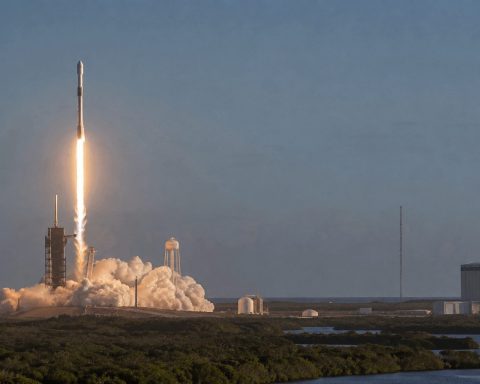
Bonds may not be enough to steady the stock. SpaceX is trading at about 141 times 2025 revenue, Reuters said. Shareholders might look to sell after the first earnings call, assuming lock-up terms are satisfied. The company’s next Starship launch is on the calendar for June 29. Any slip, tech downturn, or higher rates could hit the shares before the bonds take a hit.
Right now, the shares are trading between $150, where they first opened on Nasdaq, and the $135 IPO price. SpaceX has raised cash from the debt market already. The equity market is still figuring out what those funds might generate.
Related articles: NASDAQ:NVDA