Beijing, July 11, 2026, 21:10 (China Standard Time)
Shares of China Spacesat SHA:600118 and China Satellite Communications SHA:601698 surged to their 10% daily trading limits on Friday after China completed its first controlled recovery of an orbital-class rocket first stage. Closing data shows the rally added about 22.3 billion yuan ($3.3 billion) to both companies’ combined market capitalization in one day. The actual rocket was developed by the China Academy of Launch Vehicle Technology, part of state-owned CASC, not by the two listed companies.
The point is key. The trade here focuses on downstream capacity, not selling rockets. Investors are making a bet that lower-cost and more frequent launches could drive satellite orders and boost demand for leased communications. But so far, the hardware has seen just one recovery and hasn’t flown again. Shanghai’s market was shut Saturday; it’s set to reopen Monday like usual.
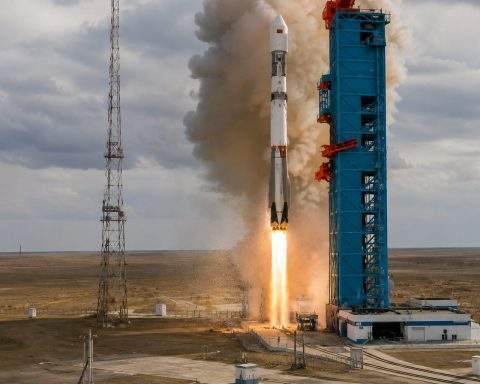
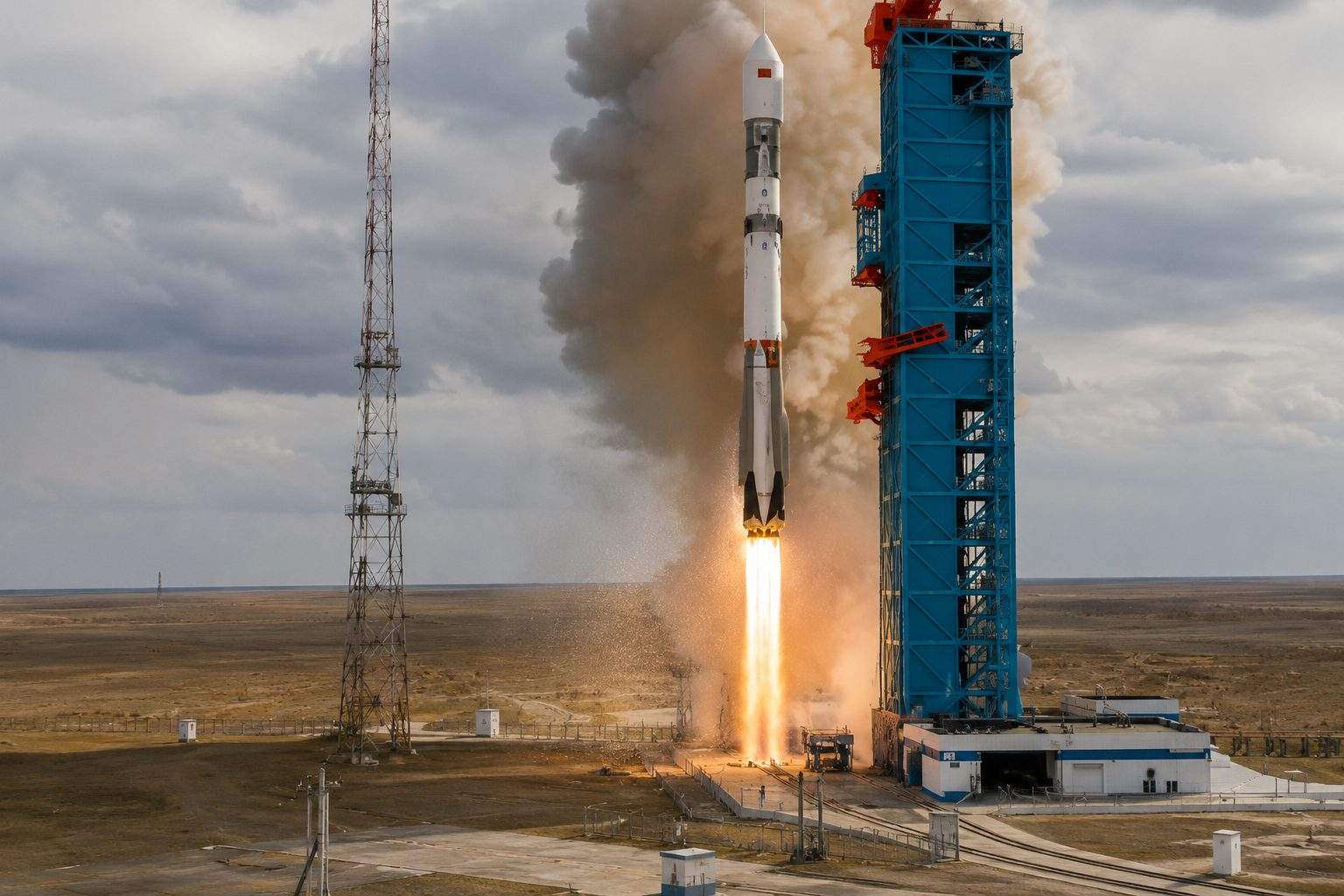
The Long March-10B launched from Wenchang at 12:15 p.m. Friday, sending an undisclosed satellite to its planned orbit and landing its first stage about six minutes after separation. In its reusable mode, the rocket can move 16 tonnes to low Earth orbit, where most broadband constellations go. Its first stage was caught with four hooks hitting a cross-shaped net on a 144-by-50-metre ship. CALT’s Chen Muye said the system “simplifies the onboard structure, reduces weight, and boosts payload capacity.” The descent used LiDAR, a laser-ranging tool, to track the stage. Xinhua News
Friday’s prices are far out in front of today’s profits.
| Company | Friday close | Friday | Week to Friday | Market value | Price/earnings |
|---|---|---|---|---|---|
| China Spacesat | 90.02 yuan | up 10.0% | up 12.4% | 106.45 bln yuan | Roughly 6,273 times |
| China Satellite Communications | 32.88 yuan | up 10.0% | up 11.0% | 138.90 bln yuan | Roughly 350 times |
Price-to-earnings ratio for the last 12 months. Market prices use Friday’s close.
Quarterly numbers drive the disconnect. China Spacesat posted first-quarter revenue of 609.14 million yuan, but booked a net loss of 42.69 million yuan. China Satellite Communications made 26.84 million yuan on revenue of 542.41 million yuan. The two firms saw a combined one-day jump in market value that was close to 19 times their total quarterly revenue.
The big gap with SpaceX is repetition.
| Measure | Long March-10B | SpaceX Falcon 9 |
|---|---|---|
| Cargo to low Earth orbit | 16.0 tonnes reusable | Up to 22.8 tonnes |
| Recovery site | Sea platform net | Pad or drone ship |
| Operating record | One orbital recovery | Over 600 booster landings; one flown 36 times |
These payload numbers aren’t a direct match—China’s figure covers the reusable setup; Falcon 9’s is its posted max.
Scale is the reason shares reacted so much. SpaceX put up 1,589 Starlink satellites in the first half of 2026, with almost 11,000 still working. China’s networks haven’t matched that pace. CALT rocket specialist Kan Lei said the “technological maturity and industrialization level” of reusable rockets sets the cost of getting to space. The Verge
China is seeing competition at home, too. LandSpace’s Zhuque-3 and the government-backed Long March-12A both made orbital test flights but didn’t recover their first stages. So Long March-10B is the only Chinese rocket so far to pull off both launch and recovery. That’s a technical edge so far, not a market win.
But just catching the rocket isn’t enough if costs don’t come down. Investors still don’t have the numbers for inspection, how much it’ll cost to get the rocket ready again, the wait between flights, or how much payload gets cut by saving fuel for landing. If the second flight gets pushed back or fails, arguments for launch savings take a hit. Those listed proxies are shaky here since their upside is tied to outside bets on fast growth, which is already priced in.
Mainland markets will trade Monday as investors look for updates on the recovered stage’s status. CASC plans to refly the same first stage before year-end. For now, recovery worked on Friday, but a repeatable launch service isn’t proven yet.