WASHINGTON, July 23, 2026, 07:09 EDT — As a debate over Fort Knox unfolds, data shows that the U.S. gold reserve, valued at $1.07 trillion, is sufficient to cover just 2.7% of the country’s total debt.
- Treasury states its holdings at 261.499 million fine troy ounces, valued at $11.041 billion.
- The spot price on Thursday suggests an initial market valuation of about $1.069 trillion.
- The reserve is just 2.7% of the approximately $39.59 trillion in federal debt.
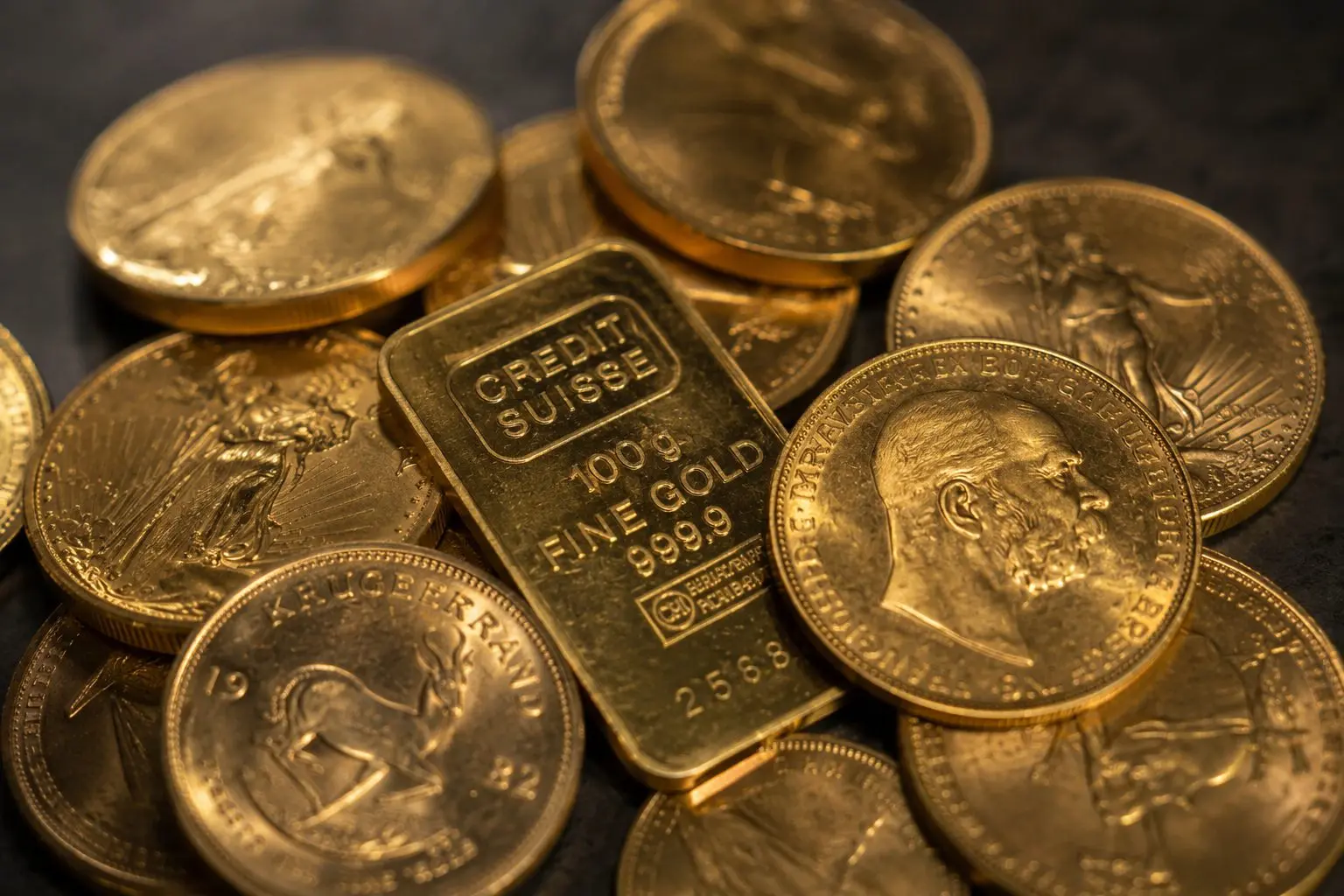
At Thursday’s spot price, the U.S. gold reserve is valued at $1.069 trillion, which is close to 97 times its book value. However, that amount would represent just 2.7% of total federal debt.
The reserve provides space on the balance sheet, but it does not alter the fiscal direction.
Scott Bessent brought the topic back into focus this week. The Treasury secretary stated that the gold in Fort Knox was “present and accounted for.” He placed the total value of U.S. reserves at over $1 trillion. Fortune
U.S. cash equities had not yet opened ahead of the bell. August gold futures dropped 1.5% to $4,091.20, while spot gold slipped 1% to $4,087.90.
| Measure | Value | Investor comparison |
|---|---|---|
| U.S. gold reserves | 261.499 million oz | As reported by Treasury |
| Book value mandated by law | $11.041 billion | $42.2222 per oz |
| Estimated current market value | $1.069 trillion | 96.8 times above book value |
| Estimated gap between market and book value | $1.058 trillion | Equivalent to 2.7% of federal debt |
| Total federal debt as of July 20 | $39.59 trillion | Debt is 37.0 times gold’s value |
| Fiscal 2026 deficit as of June | $1.367 trillion | Gold covers 78.2% |
*Intraday preliminary figures are based on spot gold priced at $4,087.90 per ounce. Due to rounding, totals may not align.
Fort Knox contains 147.34 million ounces of gold, amounting to 56% of the country’s reserves. At Thursday’s market price, the site’s holdings are close to $602 billion in value.
The $1.058 trillion difference between market and book values amounts to roughly 77% of the deficit recorded for the fiscal year through June. Over the nine-month period, Treasury reported a shortfall of $1.367 trillion.
The amount does not represent actual cash. U.S. law sets a maximum for gold certificates at $42.22 per ounce. Raising that limit would need Congressional approval to amend the cap. Bessent did not declare any change in valuation.
The dollar continues to function as fiat currency. Bessent noted that, in contrast to previous monetary systems, each dollar is no longer required to be backed by gold.
For investors, revaluation serves as a policy indicator rather than a fix for debt. More than 97% of federal debt would remain unaffected, even if markets fully accounted for it.
Gold’s immediate influences are still interest rates, oil prices and geopolitical uncertainty. On Thursday, rate futures indicated a 78% likelihood of the Federal Reserve raising rates in September.
Nikos Tzabouras, senior market analyst at Tradu.com, noted clear technical backing. “Markets have shown they are not prepared to give up the $4,000 level without a fight,” he said. Reuters
Although gold futures for August fell on Thursday, they were still trading 1.8% higher than their closing level last Friday. A 1.9% gain on Wednesday pushed prices to their highest point in two weeks.
The Federal Reserve is scheduled to convene on July 28-29. According to Tzabouras, if oil prices rise and expectations for tighter rates intensify, gold may approach $3,900.
Peter Cardillo from Spartan Capital Securities held the opposing view. “Prices are in an upswing that could continue until the end of the year,” he said. He set his short-term target at $4,375. The Wall Street Journal
Risks: A further escalation in the Middle East may boost demand for safe-haven assets. However, increasing oil prices, higher yields, and expectations of rate hikes could weigh on non-yielding gold.