
PLANO, Texas, August 17, 2026, 15:10 CDT
- JCPenney is giving $15 off when shoppers spend $50, available for 72 hours.
- The agreement provides for a minimum basket at 30%, after which dilution occurs rapidly.
- On Monday, Ross shares dropped 4.1%, the steepest decline among leading off-price retailers.
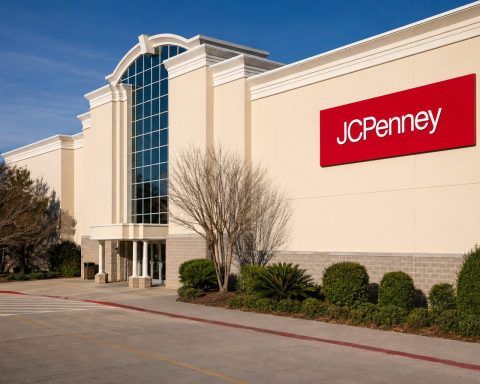
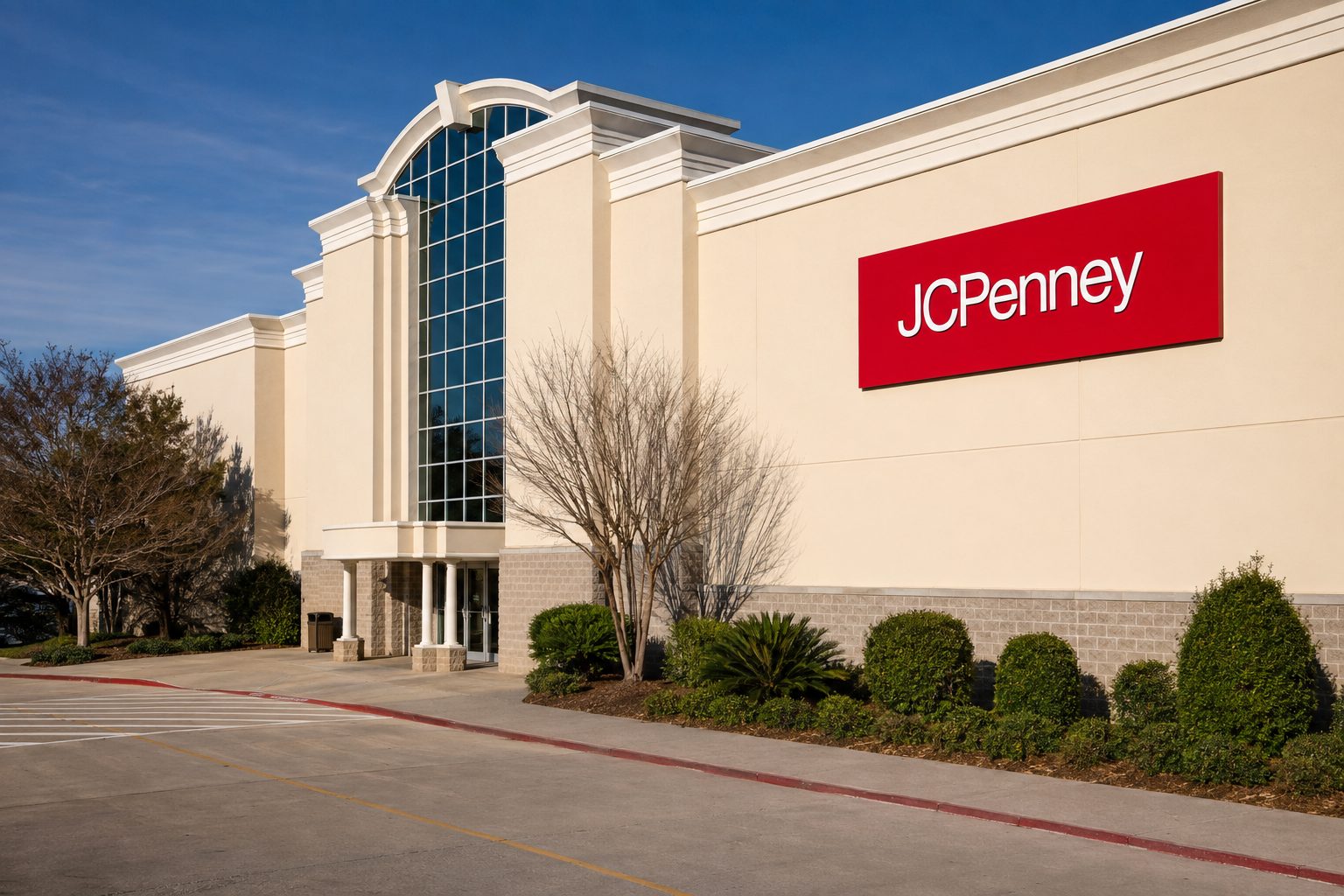
JCPenney is launching a nationwide trade-in deal from August 28 to August 30. Customers can bring any unwanted item and get $15 off a purchase of $50 or more. The privately owned retailer said the promotion is valid in over 600 stores.
The short-term promotion is significant as it appeals to off-price consumers without establishing a lasting clearance offering. The strongest value occurs at the spending limit, with the benefit of the discount diminishing quickly beyond that threshold.
| Basket prior to coupon | Coupon | Actual discount | Amount customer pays |
|---|---|---|---|
| $50 | $15 | 30% | $35 |
| $75 | $15 | 20% | $60 |
| $100 | $15 | 15% | $85 |
| $150 | $15 | 10% | $135 |
JCPenney gains an easy way to attract customers with this setup while safeguarding higher-value purchases. Goods collected will be donated to Good360, according to the company. The initiative is called “Retail Rejuvenation.”
“You don’t want less. You want better for less,” stated Marisa Thalberg, chief customer and marketing officer at parent Catalyst Brands. Her comment sums up the focus of the campaign, which pledges value and avoids offering customers a random mix.
JCPenney referenced two commissioned surveys involving off-price shoppers. Of 733 respondents surveyed in April and May, 76% reported finding their desired item and size. By August, 92% of 1,235 participants said they had secured a good deal. The surveys included US consumers who shop at JCPenney or other off-price retailers.
The private competitors start the race with firmer operating momentum. Among them, The TJX Companies NYSE:TJX topped its peers in margin improvement last quarter. Ross Stores NASDAQ:ROST reported the quickest growth in comparable sales. Burlington Stores NYSE:BURL also achieved a higher growth rate than what JCPenney’s public reports enable investors to gauge.
| Retailer | Latest quarterly sales growth | Comparable sales | Adjusted or reported EPS growth |
|---|---|---|---|
| TJX | 9% | 6% | 29% |
| Ross | 21% | 17% | 37% |
| Burlington | 14% | 6% | 26% |
| JCPenney | No information released | No information released | No information released |
TJX posted first-quarter revenue of $14.32 billion with a 12.0% pretax margin. Ross announced $6.0 billion in sales and a 13.4% operating margin. Burlington recorded $2.85 billion in revenue with adjusted earnings of $2.10 per share.
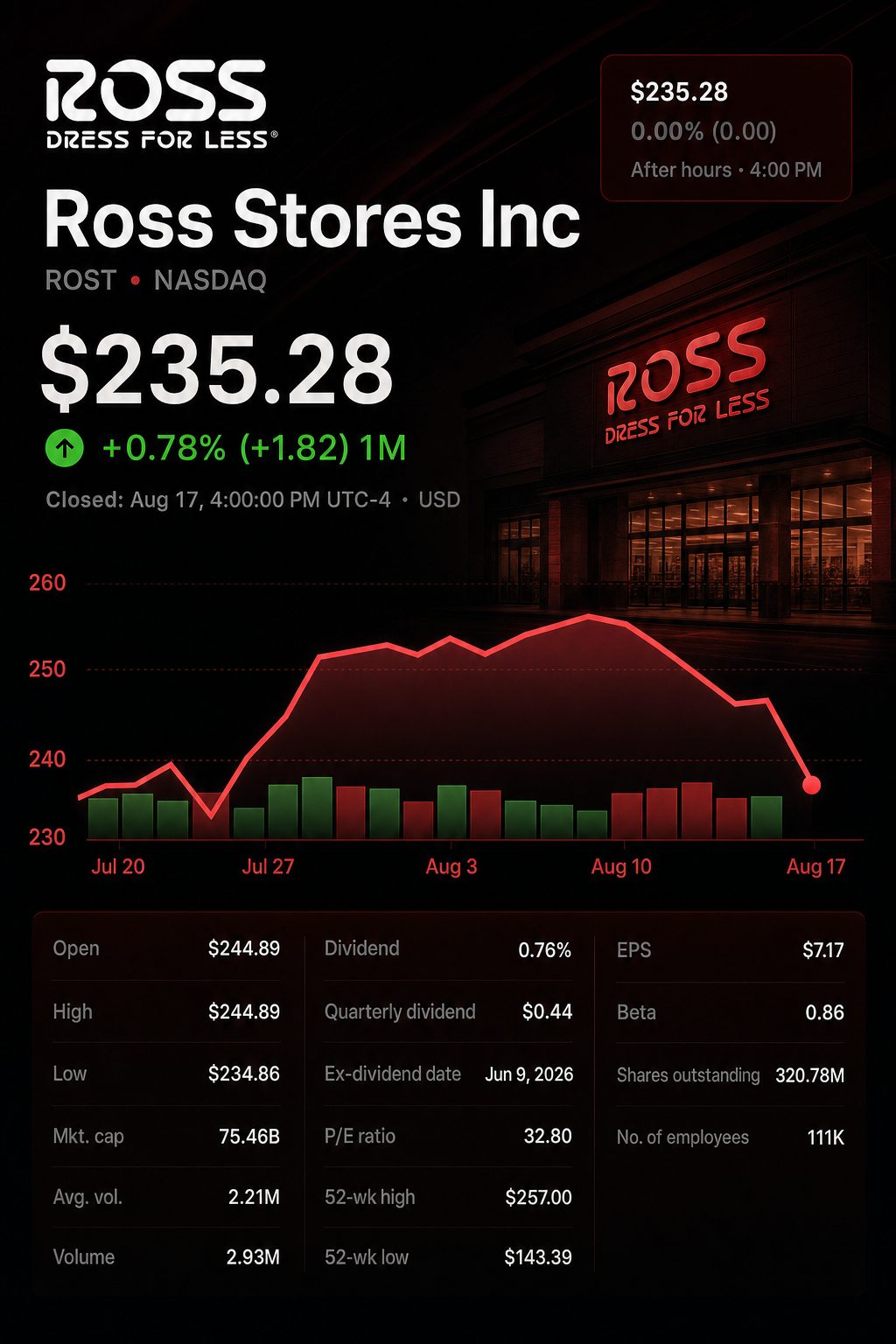
The statement was issued as retail stocks fell on Monday. Among the four listed, Ross posted the steepest drop. There is no evidence that JCPenney’s campaign led to the declines.
| Company | August 17 closing price or last trade | Change on day |
|---|---|---|
| TJX | $150.85 | -0.8% |
| Ross | $235.28 | -4.1% |
| Burlington | $336.85 | -3.1% |
| Macy’s | $23.22 | -0.8% |
Analysts continue to prefer off-price sector leaders to department stores. TJX offers the greatest implied upside compared to the average analyst target. In contrast, Macy’s NYSE:M is currently trading above its consensus price target.
| Company | Buy / Hold / Sell | Average target | Implied return |
|---|---|---|---|
| TJX | 13 / 1 / 0 | $179.58 | 19.0% |
| Ross | 11 / 4 / 0 | $259.08 | 10.1% |
| Burlington | 11 / 3 / 0 | $370.25 | 9.9% |
| Macy’s | 1 / 8 / 1 | $22.33 | -3.8% |
The recommendation overview reflects data from the last three months on Google Finance. Target figures represent averages and are not assurances. Implied returns are calculated using Monday’s closing prices and do not account for dividends.
For investors, the main challenge lies in conversion, not just coupon redemptions. JCPenney needs to translate three-day visits into profitable transactions. Other listed competitors have already demonstrated that traffic driven by value can align with double-digit growth in earnings.
Risks: JCPenney does not release data on traffic, margins, or redemptions typically disclosed by public companies. As a result, the campaign might primarily draw bargain hunters, without confirming lasting gains in market share. Additionally, general softness among consumers could make it harder to discern any impact on competitors.
The promotion is modest compared to the sales volumes of competitors. However, its underlying economics are telling. JCPenney invests the most in the initial $50 purchase, with a new customer visit delivering the highest strategic benefit.