
WELLINGTON, September 2, 2026, 17:12 (NZST) — The New Zealand dollar fell 1.1% after the Reserve Bank of New Zealand raised the Official Cash Rate to 2.75%.
- The New Zealand dollar dropped around 1.1% to US$0.5830 following the decision.
- The Reserve Bank increased the official cash rate by 25 basis points, bringing it to 2.75%.
- Four policymakers out of six viewed inflation risks as skewed to the upside, while two considered the risks to be balanced.
The New Zealand dollar slipped roughly 1.1% on Wednesday despite a rate hike from the Reserve Bank. By 17:04 NZST it was trading near US$0.5830, down from US$0.5896 recorded just ahead of the announcement. Market moves indicated guidance took precedence over the anticipated rate increase.
The Monetary Policy Committee raised the official cash rate by 25 basis points, reaching 2.75%. This marked the second straight rise. However, Kiwibank described the statement as “clearly dovish” in light of high market expectations. 1News live coverage
The signal for investors is in that contrast. A lower expected rate trajectory can have more impact than a higher current rate. The currency’s decline also raises the cost of imported fuel, adding complexity to the inflation forecast.
NZD/USD fell after the 14:00 rate decision
U.S. dollars per New Zealand dollar, September 2
Headline inflation rose to 4.1% for the June quarter. Stripping out vehicle fuel, the rate was 2.9%. The bank projects that headline inflation will stay above its 1%–3% target range through 2026.
The breakdown is significant. Tradable inflation increased to 4.9%, up from 2.5% in March. Non-tradable inflation slipped to 3.4% from 3.5%. Petrol prices surged by 27.5%.
Imported prices dominate New Zealand’s inflation mix
Annual change, June 2026 quarter; scale runs to 6%
Sources: RBNZ and RNZ/Stats NZ.
The bank forecasts inflation will fall within the target range by the middle of 2027. The 2% midpoint is anticipated to be reached after that. While the economy is rebounding, joblessness stays high.
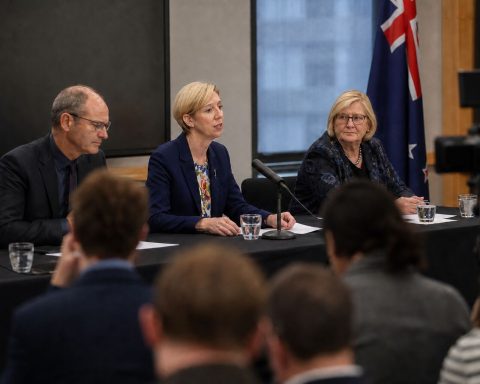
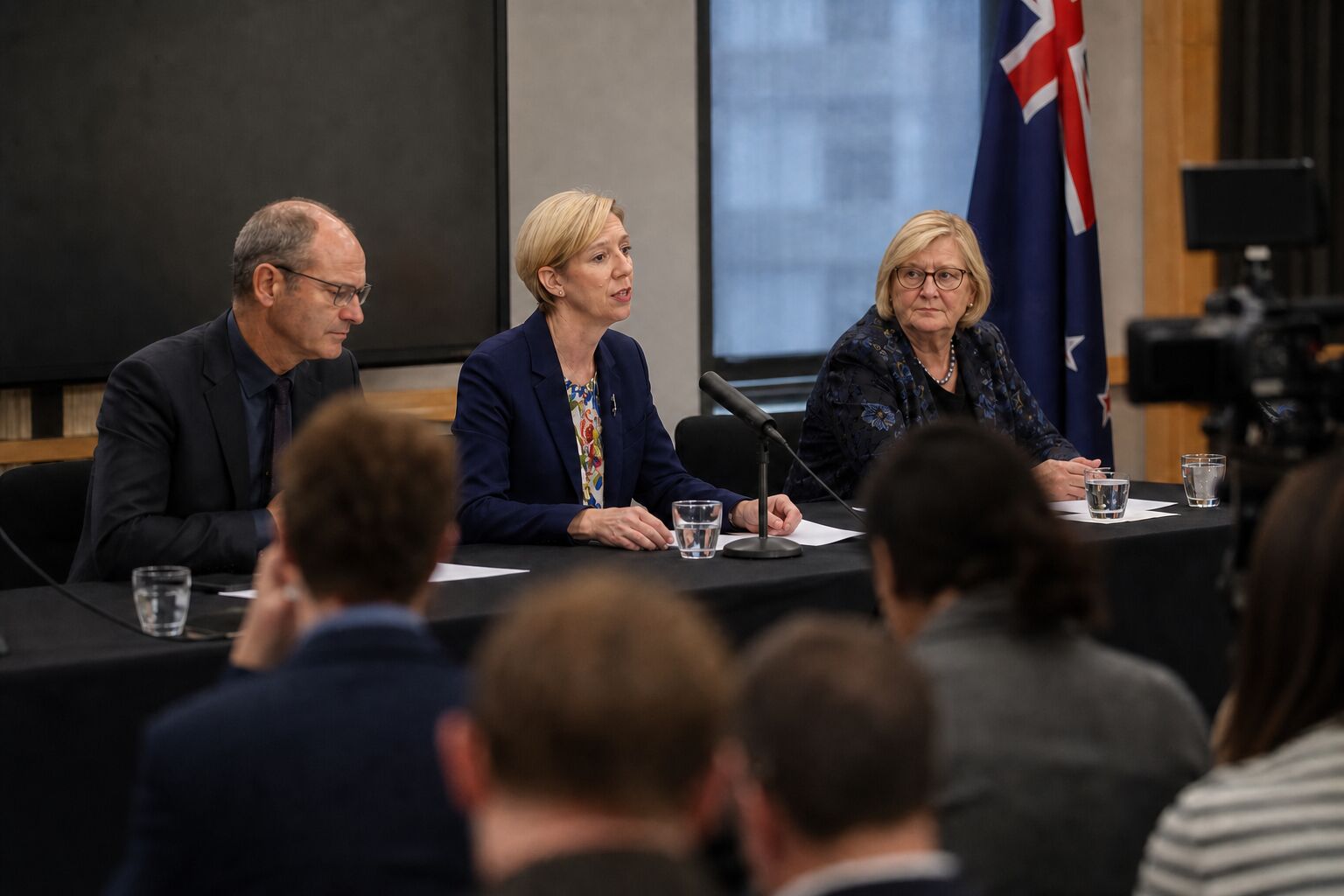
The committee divided on risk, leaning hawkish. Anna Breman and three committee members identified rising inflation risks, while Paul Conway and Carl Hansen regarded risks as even. All six supported Wednesday’s rate hike.
The committee agreed on the hike, not the risk balance
September 2 decision and forward-looking policy split
Consensus to lift the OCR to 2.75%
4 upside · 2 balanced
Path remains conditional, not pre-set
Source: RBNZ meeting record and decision calendar.
Economists are divided over when the change will occur. ANZ chief economist Sharon Zollner maintains a prediction for an increase in October. Meanwhile, Westpac’s Kelly Eckhold forecasts the next adjustment will happen in December. Both consider the potential for further tightening.
According to the bank, financial conditions were already tighter prior to the meeting. Increased wholesale rates led to higher mortgage and business loan rates, while the exchange rate saw a slight appreciation.
The recent step partially undoes earlier currency tightening. Should the dollar remain soft, imported inflation may recede at a slower pace. This could bolster arguments for a further hike.
Risks: Oil prices may fall more quickly than anticipated, which would reduce inflation. Reduced demand could result from sluggish employment and declining house prices. An extended energy shock or wider-ranging price increases would force interest rates upward.
Investors encounter a tight challenge. Core metrics largely remain within the target range, but headline inflation stays outside it. The October 28 verdict will indicate which signal the committee relies on more.
Related articles: Stock Market