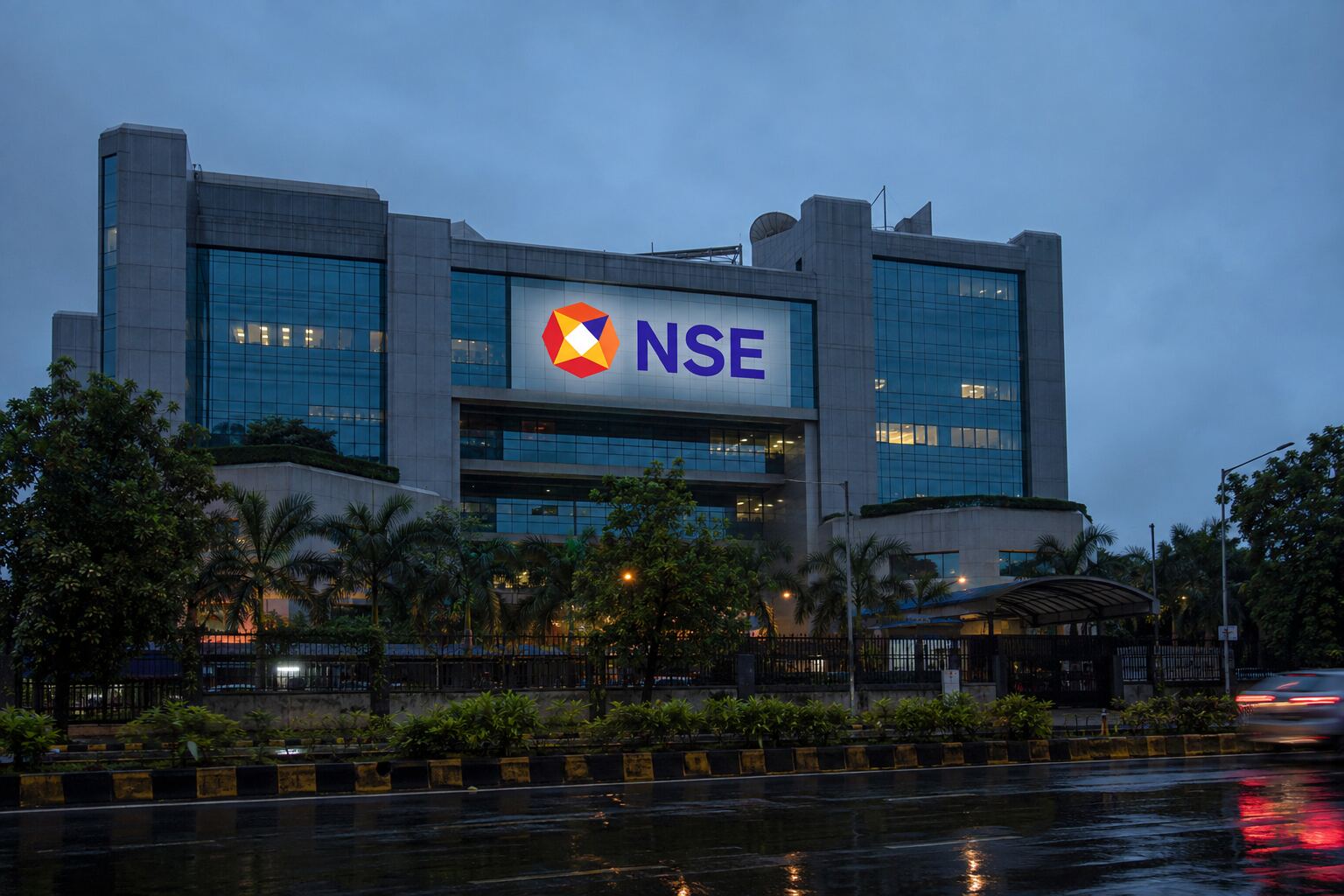

MUMBAI, September 5, 2026, 6:15 p.m. IST — India’s market regulator has cleared the National Stock Exchange’s IPO paperwork. The SEBI status report records final observations on September 4. The offer contains up to 148,905,525 existing shares and no new stock.
That distinction drives the investment case. NSE will receive no sale proceeds. The deal creates public liquidity for owners, not growth capital for the exchange.
The clearance follows nearly a decade of regulatory delay. It came one day after India’s Supreme Court disposed of SEBI appeals tied to the exchange’s co-location and dark-fibre cases. NSE agreed a ₹14.91 billion settlement in July.
The IPO sells access, not new capital
Maximum offer structure in NSE’s June draft prospectus
Every rupee raised goes to selling shareholders before fees and taxes. NSE’s balance sheet does not grow.
Offer size, capital structure and seller amounts: SEBI-hosted abridged draft prospectus.
The draft prospectus says listing should “provide liquidity to our Shareholders.” It also promises a public market for the shares. Those are real benefits, but they accrue chiefly through price discovery and tradability.
State Bank of India NSE:SBIN is the largest named seller. Its maximum 24.75 million shares equal 31% of its existing NSE holding. Bank of Baroda NSE:BANKBARODA may sell half of its stake.
Other vendors include Canada Pension Plan Investment Board and Aranda Investments. General Insurance Corporation of India (NSE:GICRE) and New India Assurance (NSE:NIACL) also appear among the leading sellers. The transaction is therefore a broad shareholder exit, not one owner’s emergency sale.
Price remains the unresolved variable. Unlisted shares recently changed hands near ₹1,965, according to Unlisted Arena data reported by The Economic Times. Applied mechanically, that price implies a ₹4.86 trillion equity value and a ₹292.6 billion offer.
That is an illustration, not the official price band. Harshal Dasani of INVasset PMS put the private-market problem bluntly: “There is no discount left to capture.” Public buyers can wait for final terms and retain listed liquidity.
No formal calendar has been published. Moneycontrol reported that bankers were discussing a September timetable. The report called those dates tentative, so they should not anchor a trade.
The operating record deserves a split reading. Fiscal 2026 revenue fell 3.1%, while reported profit dropped 15.5%. Yet the settlement provision explains much of the earnings fall.
Normalised operating EBITDA margin slipped just 1.46 percentage points to 76.23%. That still describes a highly profitable market-infrastructure franchise. The coming price band will decide how much of that quality buyers prepay.
The harder issue is revenue mix. Transaction charges supplied 78.65% of fiscal 2026 operating revenue. Options alone generated ₹99.98 billion, or 60.22% of the total.
That concentration links valuation to derivatives policy and trading volume. Average daily equity-options notional value fell 17.4% during fiscal 2026. A larger investor base did not prevent the slowdown.
BSE entered the clearance weekend at ₹3,411
Friday’s session for listed exchange operator BSE Ltd NSE:BSE, Indian rupees
SEBI’s final-observation status appeared after Friday’s cash close. The move is context for the listed comparator, not a measured reaction to the clearance.
As of . Quote, session range and 52-week range: Google Finance.
BSE Ltd closed Friday 23.3% below its May record. The stock still trades near 49.6 times reported earnings, based on Google Finance data. NSE’s final valuation will create a direct public comparison.
The comparison is useful, but imperfect. NSE brings greater trading scale and a deeper derivatives franchise. BSE offers immediate liquidity and a visible quarterly earnings record.
Risk remains unusually concentrated. NSE says its ten largest trading members generated 46.78% of fiscal 2026 operating revenue. The prospectus also flags technology failures, enforcement actions and clearing exposures.
Next week’s useful documents are the updated prospectus and formal price band. Investors should also inspect selling-holder allocations and lock-ups. Any official timetable matters only after NSE files it.
The IPO opens a rare route into India’s dominant trading venue. It does not finance that venue. At the right price, the distinction is harmless; at an ambitious price, it becomes the deal’s central weakness.