
LONDON, July 17, 2026, 09:10 BST
- European technology stocks dropped 2.3% at the start of trading.
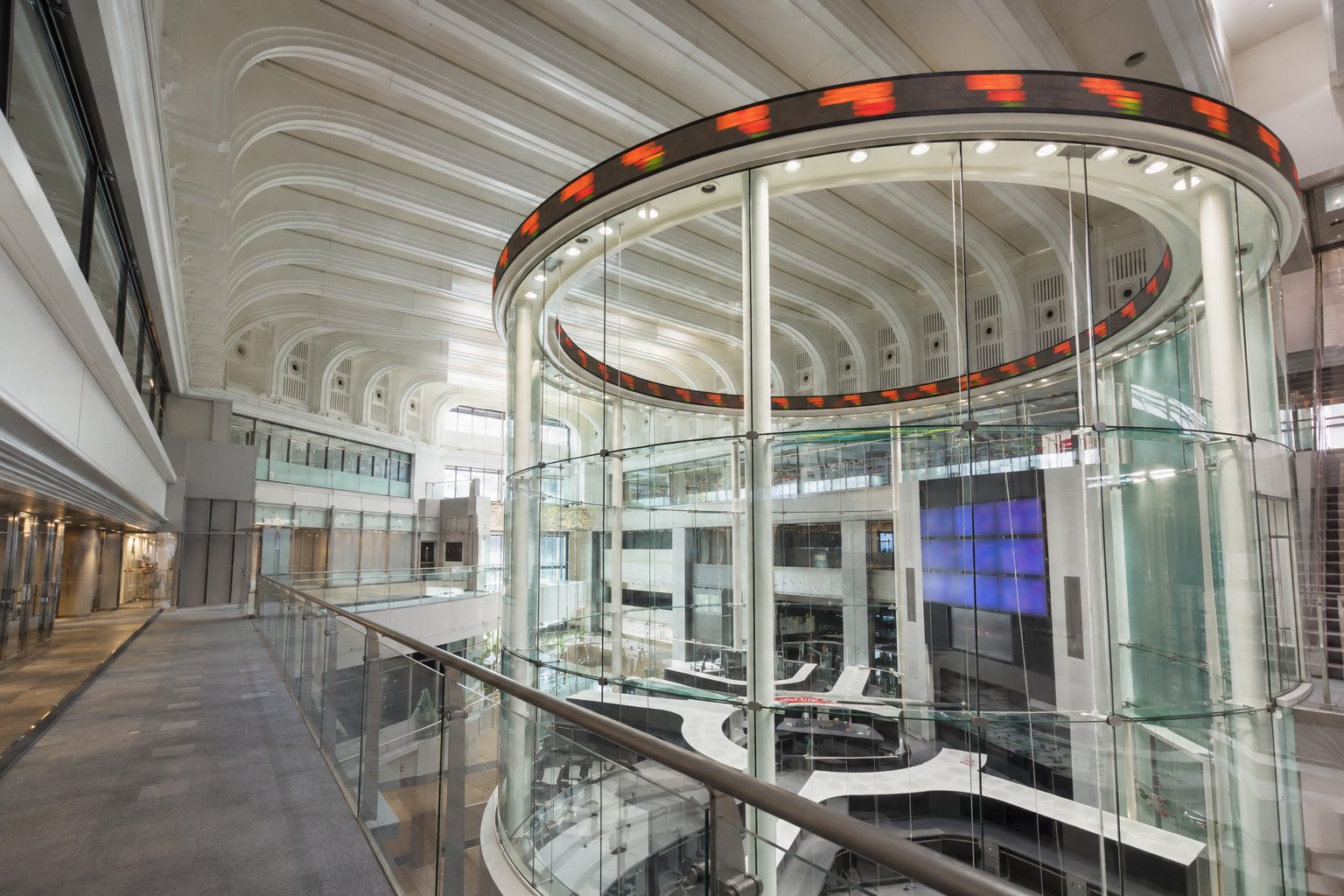
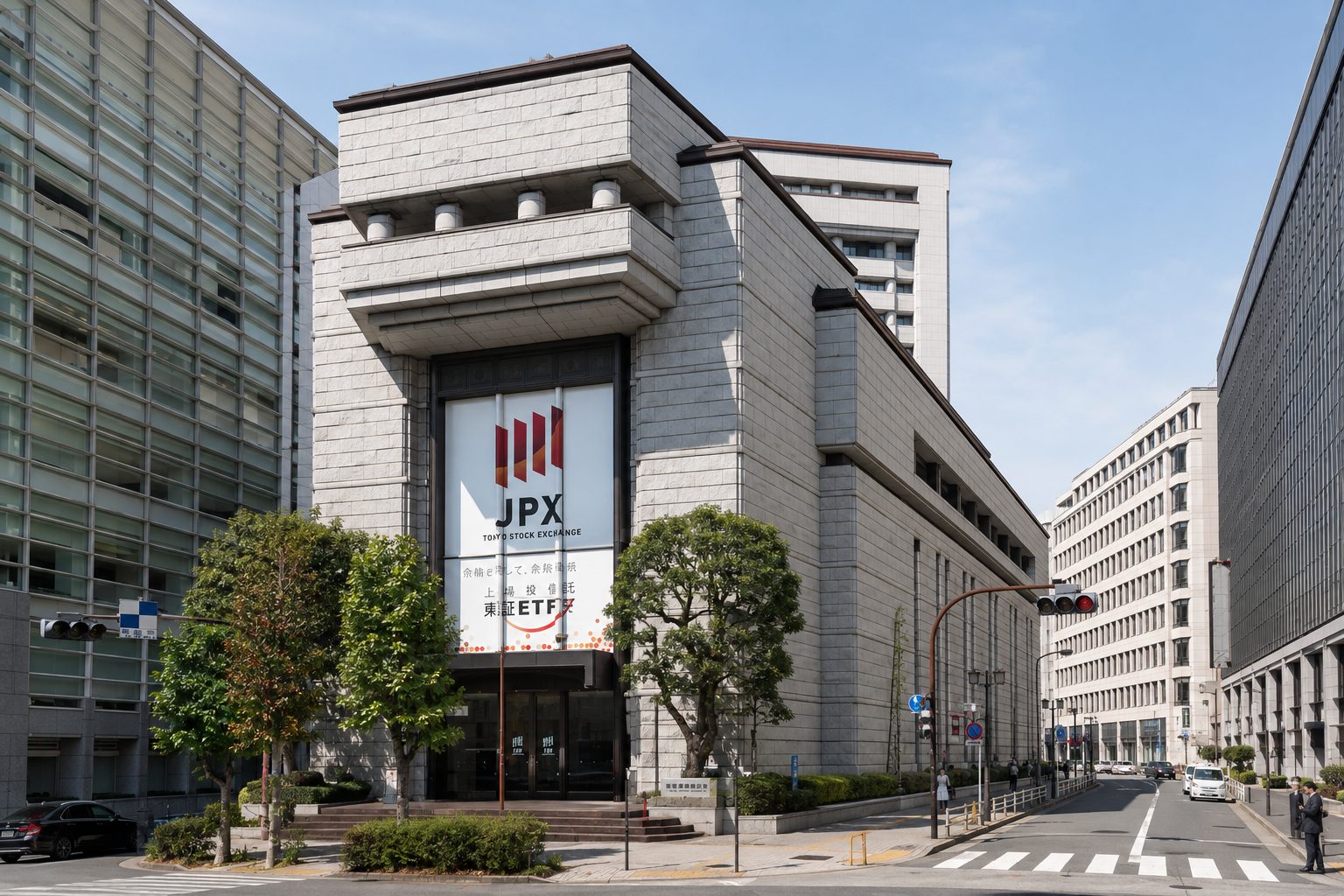
- The Nikkei 225 in Japan finished down 4.03%, falling into correction territory.
- The U.S. chip index dropped 4.3%, compared to a 0.51% decline for the S&P 500.
Global chip stocks declined on Friday, even as leading companies posted improved earnings. Taiwan Semiconductor Manufacturing TPE:2330 posted a 77.4% rise in profit, while ASML Holding AMS:ASML lifted its sales forecast for the full year.
European cash markets opened as the dateline passed. Asian markets had closed, and U.S. stocks were still trading in premarket hours. South Korea was shut due to a holiday.
The development is significant as chip demand remains steady. Investors are increasing required returns on artificial-intelligence investments.
The impact was intensified by concentration. Semiconductors currently make up more than 20% of the S&P 500, compared to 8% a few years back.
The gap between earnings and prices highlights the fresh challenge:
| Measure | Fundamental or breadth signal | Market reaction |
|---|---|---|
| Taiwan Semiconductor | Q2 net profit increased 77.4%; revenue forecast for Q3 stands at $44.6 billion-$45.8 billion. TSMC | Taipei shares dropped 7.3%. AP News |
| ASML | Net income for Q2 climbed 27.4% based on company data; 2026 sales outlook now €43 billion-€45 billion. ASML | Shares in Amsterdam fell over 4%. Reuters |
| S&P 500 | Roughly 75% of its components gained. AP News | The index still ended down 0.51%. Reuters |
“Investors are no longer valuing the AI trade based on growth,” said Gene Goldman, Cetera’s chief investment officer. “Now, it’s being priced as if perfection is expected.” Reuters
The PHLX Semiconductor Index dropped 4.3% on Thursday, a fall 8.4 times steeper than the S&P 500’s decline.
The Nasdaq Composite dropped 1.47%. Despite this, close to 75% of S&P 500 members moved higher. Healthcare climbed 2.2%.
Asian markets closed broadly lower on Friday. The Nikkei index declined 4.03%, ending 11% down from its June high. Taiwan’s main index sank 6.5%.
European markets also pulled back, with the STOXX 600 down 0.6% and the technology sector dropping 2.3%.
TSMC reported a 36% increase in second-quarter revenue in Taiwan dollars, with gross margin climbing to 67.7%, exceeding its guided range. Despite these results, shares declined.
ASML posted sales of €9.3 billion and net income of €2.9 billion, exceeding last year’s results. CEO Christophe Fouquet said AI investment is “driving demand” for advanced chips. ASML
The simultaneous moves indicate that valuation and positioning are now more significant than present order flows. Each company delivered stronger earnings, yet both saw shares sold.
Oil faced further upward pressure, with Brent holding close to $84.30 and set for a weekly increase of over 10%.
Alphabet NASDAQ:GOOGL is set to report its second-quarter earnings after the U.S. market closes on Wednesday, July 22. Analysts will be looking closely at capital expenditures, performance of its cloud business, and cash flow.
Risks are present on both sides. Additional leveraged selling may accelerate losses. Conversely, substantial cash returns to customers might trigger a swift recovery.
For investors, the pressing issue is not the presence of AI demand, but whether customers are able to translate significant expenditures into lasting returns.



![Australia Stock Market Today 28/08/2026 [UPDATE: 12:40 AEST] [WAM Dividend Cut Deepens Selloff as ASX Rebound Fades]](https://ts2.tech/wp-content/uploads/2026/08/AU-market-dashboard-2026-08-28-1237-480x384.jpg "Australia Stock Market Today 28/08/2026 [UPDATE: 12:40 AEST] [WAM Dividend Cut Deepens Selloff as ASX Rebound Fades]")